
Overview
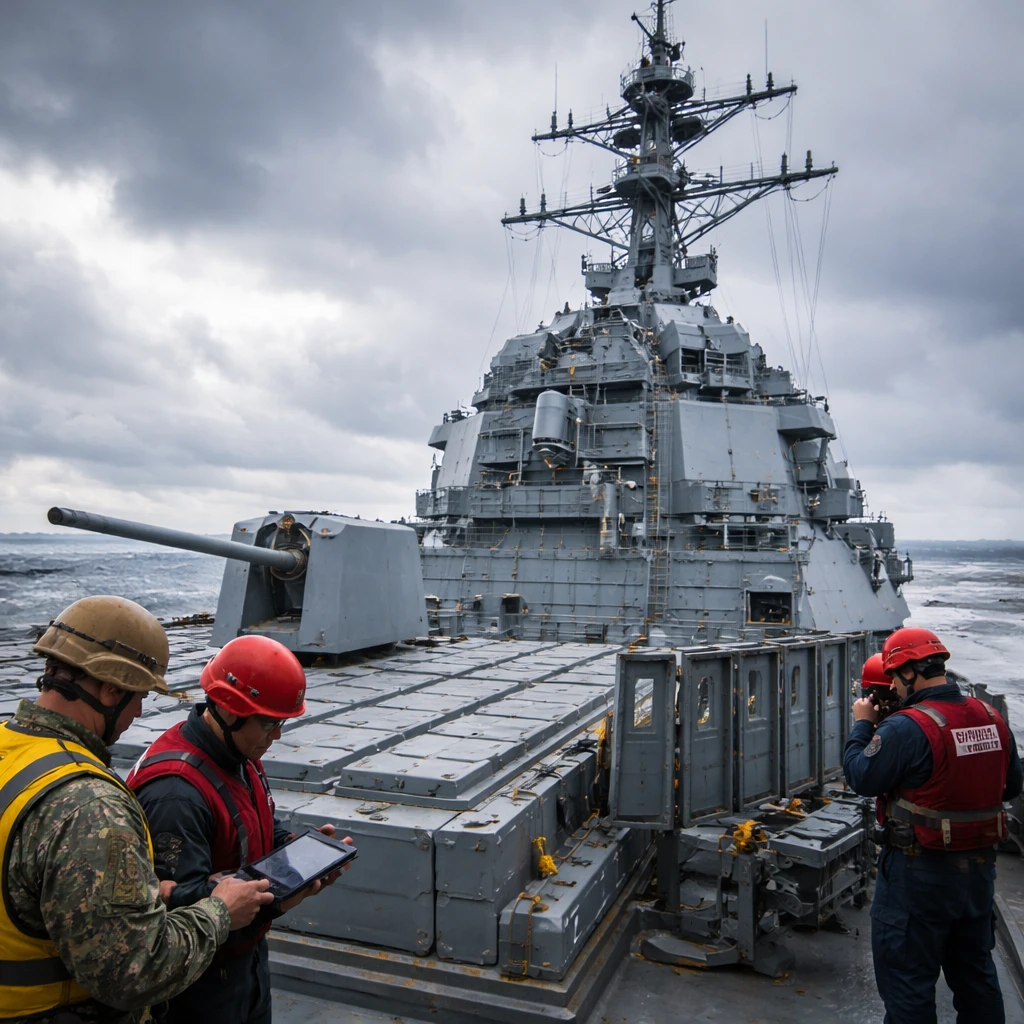
The U.S. Navy plans to field Patriot missile interceptors aboard its warships as part of an effort to bolster defenses against hostile drones and missiles, Navy officials said on Tuesday. Lockheed Martin announced a $200 million contract on the same day to integrate the PAC-3 Missile Segment Enhancement interceptor into a shipboard weapons system used by Navy vessels.
Contract and budget
The announced $200 million agreement covers integration work but does not include a stated timeline for when the missiles will be fully integrated into operational ships. Separately, Pentagon procurement documents indicate the Navy is seeking $1.7 billion in its fiscal 2027 budget to purchase the PAC-3 MSE interceptor produced by Lockheed Martin.
Testing and operational context
The decision follows multiple years of tests that demonstrated the capability to fire PAC-3 interceptors when the missile is integrated with the Navy's Aegis Combat System, which performs threat tracking aboard cruisers and destroyers. Historically, Patriot interceptors have been a ground-based air defense asset for the U.S. Army and are fielded by 16 allied countries. The contract signals the Navy's commitment to add the interceptor to its inventory.
Production scale-up
Under a seven-year agreement with Lockheed Martin, the Pentagon is set to increase PAC-3 MSE production from approximately 600 units per year to about 2,000 units per year by the end of 2030. That planned increase is intended to support broader service needs and the Navy's procurement request noted above.
Implications
The integration contract and requested budget demonstrate a cross-service shift in the PAC-3 role, extending the interceptor from its traditional ground-based employment into a maritime context. The production ramp-up under the Pentagon-Lockheed agreement is intended to meet higher demand across services and allied users.
Limitations
Details on specific timelines and ship classes for deployment were not provided in the contract announcement. The integration program's schedule and execution therefore remain subject to subsequent planning and budget approval.