
Stock Markets April 21, 2026 01:36 PM

U.S. Navy to Field Army's Patriot Interceptor on Aegis Ships in Response to Hypersonic Threats

Lockheed Martin wins contract to adapt PAC-3 MSE for deployment at sea, adding an extra defensive layer to Aegis-equipped destroyers

By Hana Yamamoto LMT
U.S. Navy to Field Army's Patriot Interceptor on Aegis Ships in Response to Hypersonic Threats
LMT

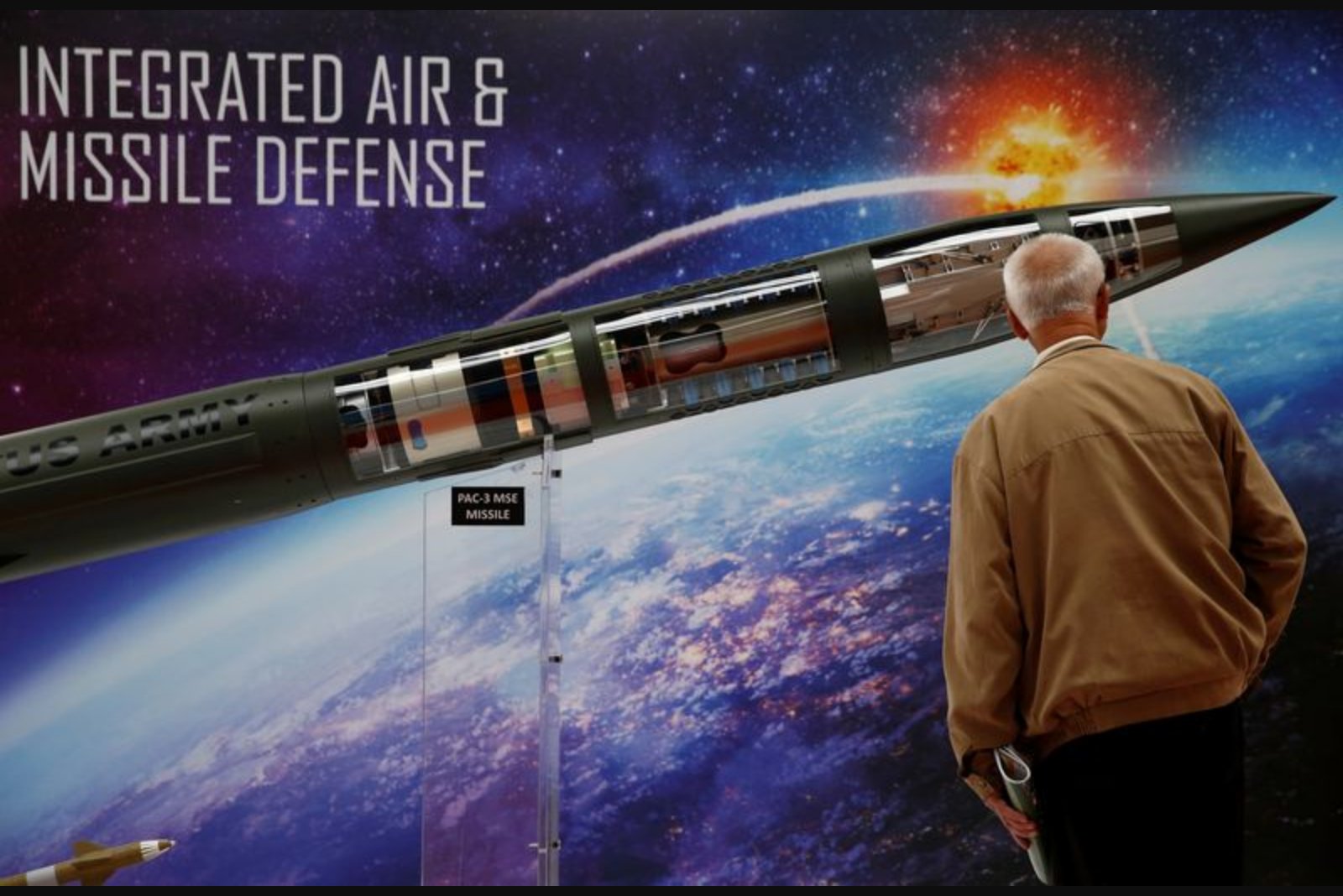
The Department of Defense has contracted Lockheed Martin to integrate the Patriot Advanced Capability-3 Missile Segment Enhancement (PAC-3 MSE) interceptor into the Navy's Aegis combat system. The award marks the first plan to field the Army's Patriot interceptor on surface ships, a move driven by concerns about potential hypersonic threats in the Pacific and aimed at strengthening missile defenses for destroyer fleets. Production of the interceptor is slated to ramp up under a separate agreement with the Pentagon.

Key Points

  • Lockheed Martin awarded a contract to integrate the PAC-3 MSE Patriot interceptor into the Navy's Aegis combat system for shipboard use.
  • The move addresses concerns that potential hypersonic weapon deployments could threaten U.S. Navy ships in the Pacific and aims to strengthen missile defenses for destroyers.
  • Patriot PAC-3 MSE offers greater agility and a hit-to-kill engagement method, and a January deal calls for production to increase from about 600 to over 2,000 missiles per year within seven years - impacting defense manufacturing and procurement.

Lockheed Martin has received a contract to adapt the Patriot missile interceptor for use aboard U.S. Navy vessels, the company said on Tuesday, marking the first arrangement to deploy the Army's Patriot interceptor at sea. The integration will pair the Patriot Advanced Capability-3 Missile Segment Enhancement - PAC-3 MSE - with the Navy's Aegis combat system.

The decision to move ahead with shipboard Patriot interceptors follows planning the Navy initiated in 2024 to arm surface ships with PAC-3 MSE, a development shaped by concerns that adversaries could introduce hypersonic weapons capable of targeting ships in the Pacific. Placing PAC-3 MSE on Aegis-equipped vessels is intended to bolster the missile defense envelope that protects the fleet of destroyers.

Lockheed Martin has been pursuing this cross-service integration for several years, and the new contract represents the first concrete step toward fielding the Army interceptor on Navy surface ships. The PAC-3 MSE is noted for greater agility relative to current Navy interceptors and for employing a hit-to-kill mechanism in which the interceptor strikes a target directly rather than detonating nearby. That engagement concept enhances lethality against high-speed, maneuvering ballistic threats.

Currently, Aegis warships rely primarily on interceptors from the Standard Missile family - including SM-2, SM-3, and SM-6 - as well as the RIM-162 Evolved SeaSparrow Missile. The PAC-3 MSE is expected to provide an additional defensive layer complementing those existing capabilities.

Demand for the Patriot interceptor has increased in recent months. Under a January agreement between Lockheed Martin and the Pentagon, production of the PAC-3 MSE is scheduled to expand significantly over the next seven years, rising from roughly 600 missiles per year to more than 2,000 per year. The production ramp is intended to meet heightened demand for the weapon system.

This contract and the planned production expansion represent synchronized steps to move the PAC-3 MSE from an Army land-based role into a naval context, creating a new layer in the United States' layered missile defense architecture for surface combatants.

Risks

  • Integration complexity - adapting a land-based Army interceptor to operate within the Navy's Aegis system presents technical and programmatic challenges that could affect timelines and costs; this impacts defense contractors and naval procurement schedules.
  • Demand and production scaling - rapidly tripling production of the PAC-3 MSE places pressure on the defense supply chain and manufacturing capacity, with implications for defense suppliers and program delivery.
  • Evolving threat environment - the move is driven by concerns over hypersonic threats; however, the precise nature and timeline of such threats are not specified in the article, creating uncertainty for defense planning and resource allocation.

More from Stock Markets

Deutsche Telekom in early talks to combine fully with T-Mobile, sources say Apr 21, 2026 Deutsche Telekom Weighs Full Combination With T-Mobile US in Potential Record Telecom Tie-Up Apr 21, 2026 Meta to Deploy Desktop Monitoring Tool to Gather Employee Interaction Data for AI Training Apr 21, 2026 Pentagon Drops Universal Flu-Vaccine Requirement for U.S. Service Members Apr 21, 2026 PlusAI and Churchill Capital Corp IX Call Off Merger, Company Plans Private Fundraise Apr 21, 2026