
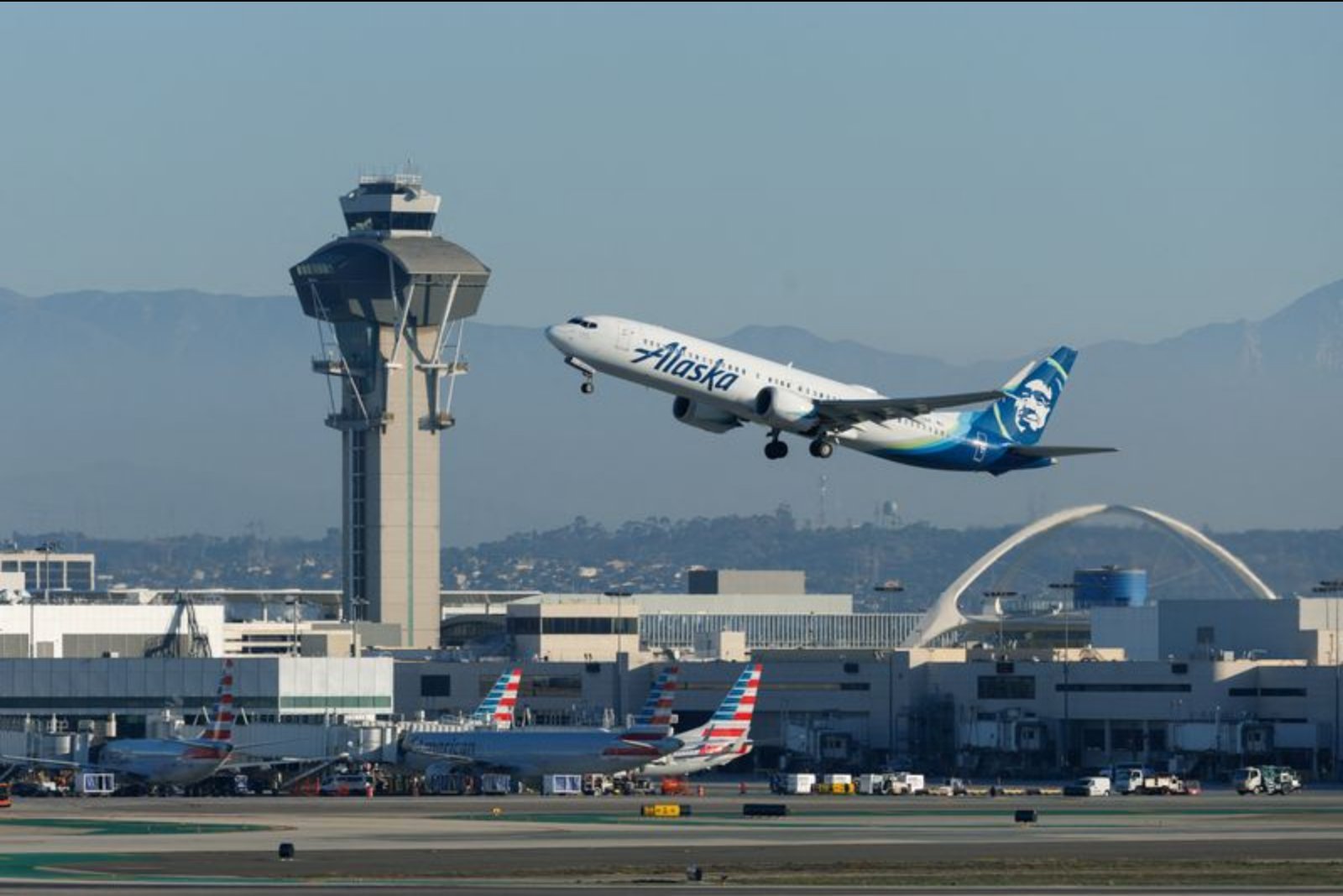
Alaska Air Group reported that sustained travel demand and materially higher ticket prices are offsetting some of the pressure from a sharp rise in jet fuel costs, but the carrier has pulled its full-year outlook and cautioned investors that second-quarter earnings will take a significant hit.
Executives told investors that a recent surge in jet fuel following the Iran war is posing the industry's first meaningful stress test since the pandemic, squeezing profit margins even as passenger traffic remains resilient. The airline noted that because most seats are sold months in advance, carriers cannot instantly pass through sudden fuel increases to travelers, leaving airlines vulnerable when fuel costs jump.
Despite that structural limitation, Alaska said bookings have remained steady in the face of steep fare increases. In recent weeks, airfares in its core U.S. markets were more than 20% higher than a year ago, a level that, if sustained, would underpin strong revenue growth in the June quarter.
"Offsetting some of that pressure is a strong demand backdrop, with fare increases holding," the company quoted Chief Executive Benito Minicucci as saying on the earnings call.
Even with higher fares, Alaska acknowledged that the ticket-price gains are covering only a portion of the cost surge. The carrier said it is currently recovering roughly one-third of the increase in fuel costs, leaving a shortfall that it expects will weigh on the June-quarter results.
Fuel markets have become especially difficult to forecast. The airline said jet fuel prices swung between about $4.45 and $5.15 per gallon within the space of a week, complicating planning and prompting the company to withdraw its full-year guidance.
The magnitude of the cost increase was amplified by a jump in refining margins. Alaska reported that refining margins in Singapore rose by more than 400% in the first quarter, transforming what is typically one of the carrier's least expensive fuel sources into its most costly. That development affected around one-fifth of the airline's fuel supply.
Even so, the airline said it still views Singapore as a strategic long-term advantage. Alaska plans to expand the portion of its fuel it sources from Singapore to as much as 30% to 40% over time, up from approximately 20% today.
Business and premium travel metrics remained healthy in the first quarter, the airline said. Premium travel increased 8% year over year, corporate travel rose 19%, and advance corporate bookings were running nearly 30% higher compared with the prior year.
On supply, Alaska said it does not anticipate disruptions to fuel availability across its network. However, the carrier warned that longer-term jet-fuel supply issues on the U.S. West Coast - where pipeline and refining capacity are constrained - need to be addressed by the industry.
To protect margins, Alaska said it trimmed capacity in certain markets while continuing to pursue strategic investments, including premium seating, international expansion and its loyalty program.
Context and implications
The company’s update highlights a direct tension between demand resilience and commodity-driven cost volatility. Higher fares and strong corporate travel trends are providing important revenue support, but the limited pace of fare recovery relative to fuel-cost escalation is expected to pressure near-term profitability.