
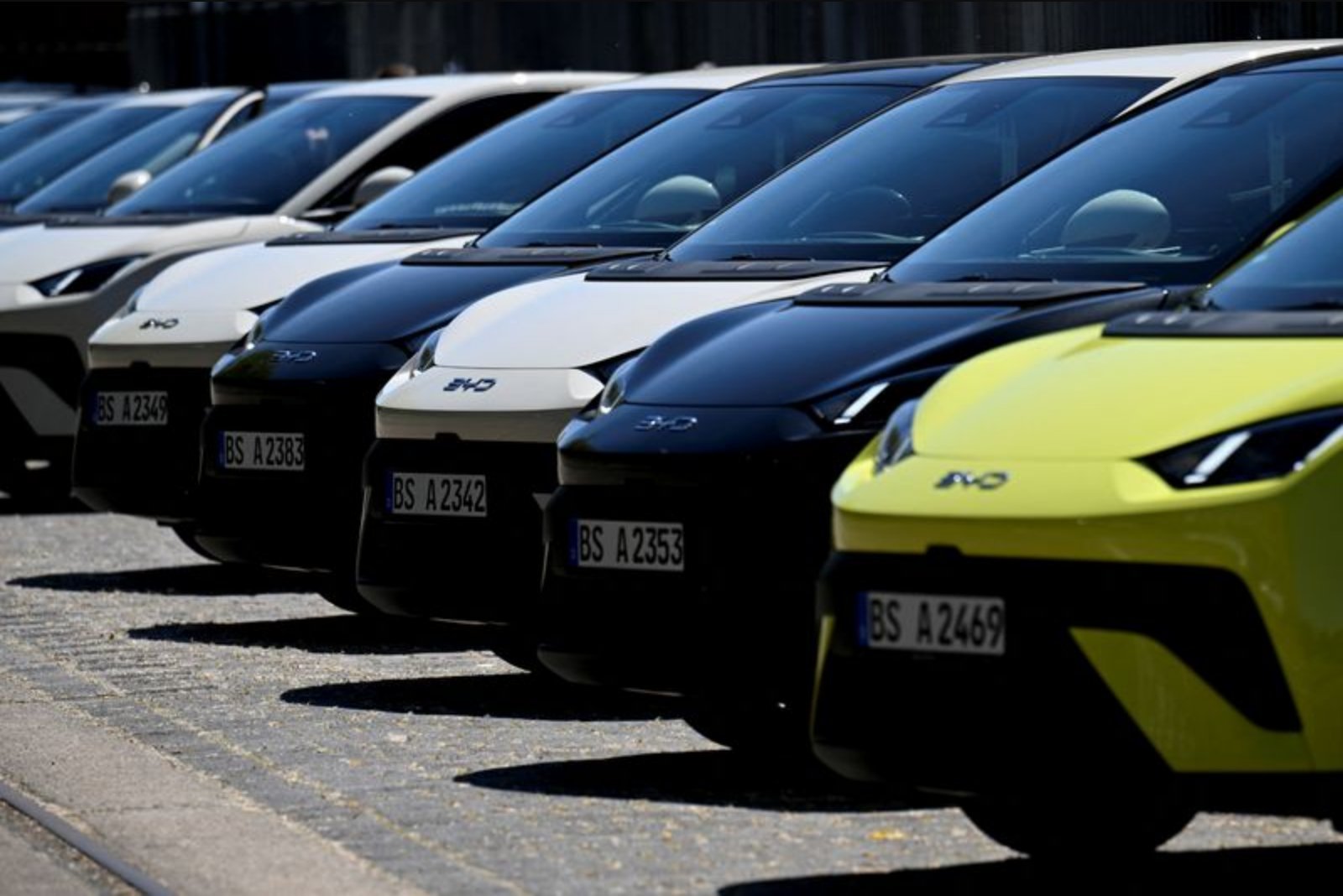
Soaring petrol prices in Europe nudged many car buyers toward battery-electric and plug-in hybrid vehicles in March, producing an all-time monthly high for EV registrations on the continent and lifting global EV registrations into growth for the first month of the year, according to data from industry consultancy Benchmark Mineral Intelligence.
Benchmark said registrations - used as a proxy for sales - of new battery-electric and plug-in hybrid cars rose 3% year on year worldwide to more than 1.7 million units in March. Europe led the gains with registrations jumping 37% year on year to almost 540,000 vehicles, a monthly record for the region.
“There is a good portion of this that you can put down to the rise in petrol prices,” said Benchmark data manager Charles Lester, noting that governments globally have capped fuel prices to manage the impact on motorists after the war in Iran, which began on Feb. 28, disrupted a major shipping route carrying roughly 20% of global oil supplies.
Growth outside the three largest EV markets - China, Europe and North America - was particularly strong in regions where energy costs climbed sharply. Australia, New Zealand, Vietnam and Thailand together drove a 79% increase in EV registrations outside those three markets, Lester added.
Not all major markets saw gains. Registrations in China, the world’s biggest car market, fell 14% year on year to just over 850,000 vehicles in March. Benchmark attributed the decline to policy shifts including the removal of funding for auto trade-ins and the expiration of a tax exemption on EV purchases, which had previously encouraged buyers to choose smaller electric cars. Lester said consumers in China were increasingly selecting larger vehicles following those incentive changes.
North America also recorded weaker EV registrations in March, with a 30% year-on-year decline to 121,500 vehicles. That marked the sixth consecutive monthly drop for the region since the end of an EV tax credit scheme in the United States. Benchmark noted proposed moves by the U.S. administration to reduce CO2 emission standards as another headwind for the market. Lester observed that March represented the highest monthly EV registration figure since the tax credit ended, but emphasized that the broader pullbacks in demand have already taken place.
Context and implications
The data underscore how short-term shifts in fuel prices and policy incentives can materially affect consumer choices and registration patterns across regions. While Europe benefited from higher petrol costs, policy changes in China and the United States have tempered demand in two of the largest markets.