
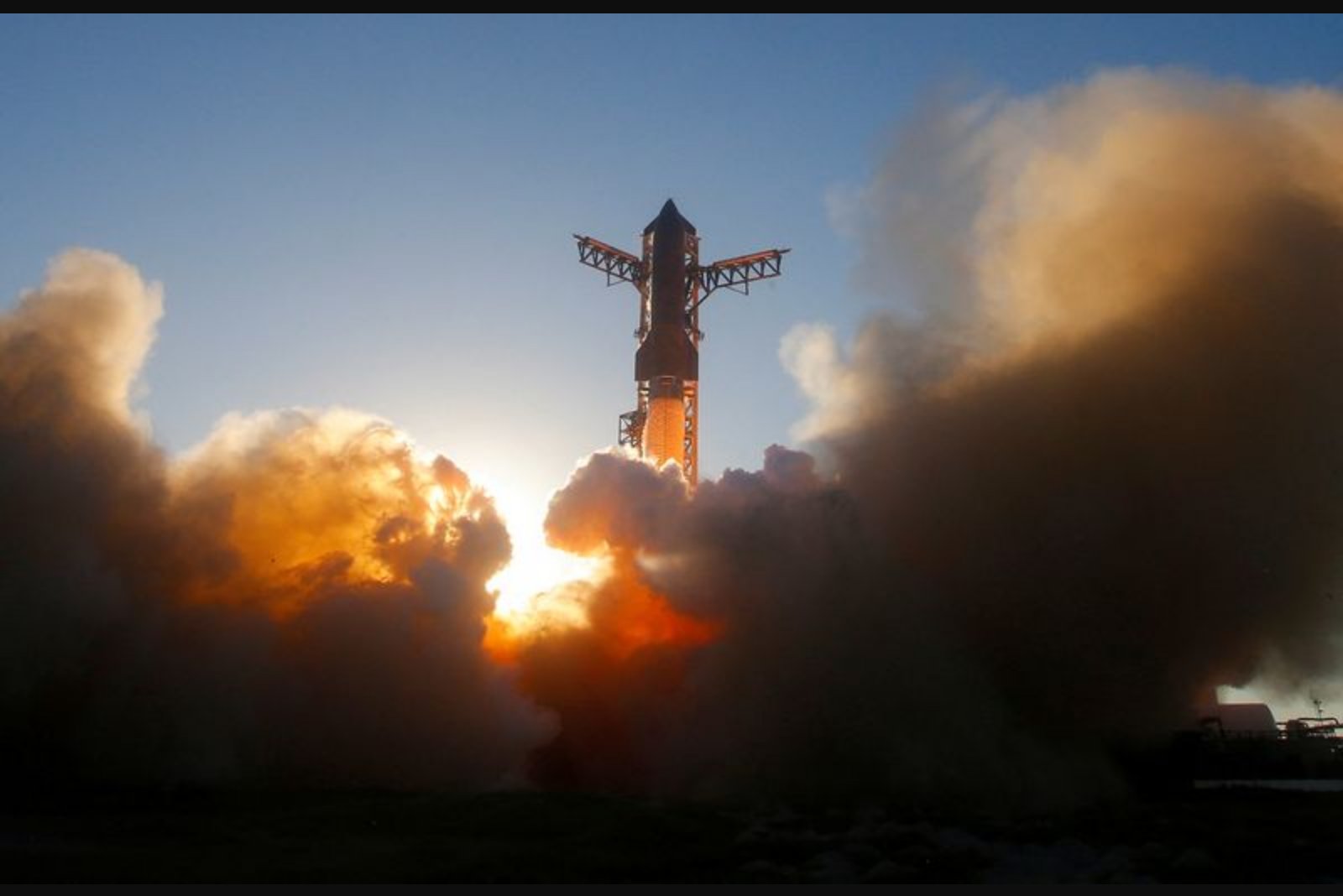
April 21 - SpaceX moved through a busy stretch of corporate activity this week as it positions itself for what could become the largest initial public offering on record. Executives and filings disclosed a mix of strategic options, governance changes, and financial results that will form the core of investor conversations as the company begins intensive outreach to analysts and potential backers.
At the center of the public disclosures is a significant option tied to Cursor, a startup focused on code generation. SpaceX announced it has been granted an option that would allow the company to acquire Cursor for $60 billion later this year. Alternatively, SpaceX could elect a partnership route by paying $10 billion under the same arrangement. The company framed the choice as a formal option, leaving the ultimate path dependent on its internal decision-making later in the year.
Governance moves accompanying the IPO preparations drew attention as well. Management has outlined plans to issue super-voting shares to Elon Musk and certain insiders that would retain disproportionate voting power after public listing. The proposed share class is intended to preserve founder control over corporate direction post-IPO by outweighing the voting rights of other new public shareholders.
Financial disclosures included in the confidential IPO materials show a substantial swing in results for 2025. SpaceX reported a consolidated loss of $4.94 billion on revenue of $18.67 billion in 2025. The filings and related disclosures also show combined cash and assets tied to SpaceX and xAI, which completed a merger earlier in the year, amounting to roughly $24.8 billion in cash on hand, $92.0 billion in assets, and $50.8 billion in liabilities at year-end. Capital expenditures rose sharply, increasing almost five-fold over a two-year span to $20.74 billion, a change the company links to heavy investment in artificial intelligence capabilities.
In parallel with those results, SpaceX is beginning a three-day Wall Street analyst roadshow this week. Company representatives will use the meetings to explain and defend a target IPO valuation of $1.75 trillion and to present the business case for a planned late-June listing that would accompany a proposed $75 billion capital raise.
Public-facing warnings in the IPO materials emphasize that several of SpaceX's longer-term ambitions depend on technologies that remain unproven. The company has cautioned investors that efforts such as deploying space-based AI data centers and establishing human settlements on the moon and Mars rely on technical developments that may not prove commercially viable. These disclosures signal potential execution and technological risk for investors evaluating the company’s longer-term roadmap.
Compensation disclosures reflect a contrast between cash pay and equity upside. Elon Musk received $54,080 in cash compensation last year but stands to realize substantial equity gains tied to the IPO, in addition to a reported $1.4 billion purchase of employee stock last year. Executive pay disclosures show that SpaceX President Gwynne Shotwell had total compensation reported at $85.8 million for the year, while Chief Financial Officer Bret Johnsen earned $9.8 million.
The anticipated scale of the IPO has already prompted index providers to consider methodological adjustments. Morningstar Inc said its CRSP Market Indexes will introduce an "alternative liquidity screen" to allow rapid inclusion of very large IPOs such as SpaceX into benchmark indexes more quickly than under current rules. Such changes would affect how large, high-profile listings are handled in major market benchmarks.
Retail allocation and outreach are part of the offering plan. Management intends to reserve roughly 30% of the float for retail investors. The company has invited about 1,500 retail investors to tour its Starbase launch facilities in Texas following the start of the roadshow in the week of June 8. The company also plans to extend retail access internationally to the United Kingdom, the European Union, Australia, Canada, Japan, and South Korea.
Context for markets and sectors - The developments bear directly on aerospace and defense suppliers, satellite and launch services, AI infrastructure investors, index providers, and retail brokerages facilitating access to the float. Heavy capital expenditure and the projected scale of the IPO could influence supply-chain financing, foundry and component demand tied to satellite and AI hardware, and benchmark composition decisions across index providers.