
Stock Markets April 21, 2026 09:18 PM

Treasury Wine to Reorganize into Four Regional Units; Shares Leap to Two-Month High

Luxury winemaker unveils simpler operating structure and new debt facilities as sales trends and Penfolds strength bolster outlook

By Sofia Navarro
Treasury Wine to Reorganize into Four Regional Units; Shares Leap to Two-Month High

Treasury Wine Estates said it will move to a four-region operating model from October 1, aiming to simplify its corporate structure and reduce costs. The announcement, combined with A$300 million in new debt commitments and stronger third-quarter depletions supported by Penfolds in China, sent the stock to its highest intraday level since February 20. The company reiterated guidance that second-half results should exceed the first half and said it does not expect higher costs from the Middle Eastern conflict to have a material effect in fiscal 2026.

Key Points

  • Treasury Wine will implement a four-region operating model on October 1 to simplify structure and lower costs; sectors affected include consumer luxury goods and corporate services.
  • The company has secured A$300 million in new debt commitments to refinance future maturities and bolster liquidity, impacting its balance-sheet resilience and financial markets' perception.
  • Stronger third-quarter depletions, led by Penfolds performance in China, support the company’s outlook and efforts to reduce customer inventories in China and the United States; this affects distribution, retail, and trade channels.

Treasury Wine Estates confirmed on Wednesday that it will adopt a new regional operating model effective October 1, a move the company says is intended to simplify its organisational footprint and cut costs. The luxury winemaker's stock rallied sharply on the news, trading as high as A$4.85 - up 19.8% as of 0013 GMT - marking its strongest intraday session since May 20, 2014, and its highest share price since February 20.

The company also announced it has secured A$300 million in new debt commitments, equivalent to $214.83 million, intended to refinance upcoming maturities and strengthen the firm's liquidity position. Under the revised operating blueprint, management will align operations into four geographic regions: the Americas; Australia, New Zealand and Europe; Greater China; and emerging markets, which Treasury Wine defines as the remainder of Asia, plus the Middle East and Africa.

Management framed the reorganisation as a tool to heighten accountability and accelerate decision-making. The company said the new regional structure is designed to sharpen market execution and customer focus while delivering cost savings through a simpler corporate arrangement.

"While TWE hasn’t publicly disclosed specific headcount numbers impact, the programme explicitly targets a ’streamlined corporate centre’ responsible for group strategy, capital management, and governance - language that typically signals fewer corporate layers," said Marc Jocum, senior product and investment strategist at Global X ETFs.

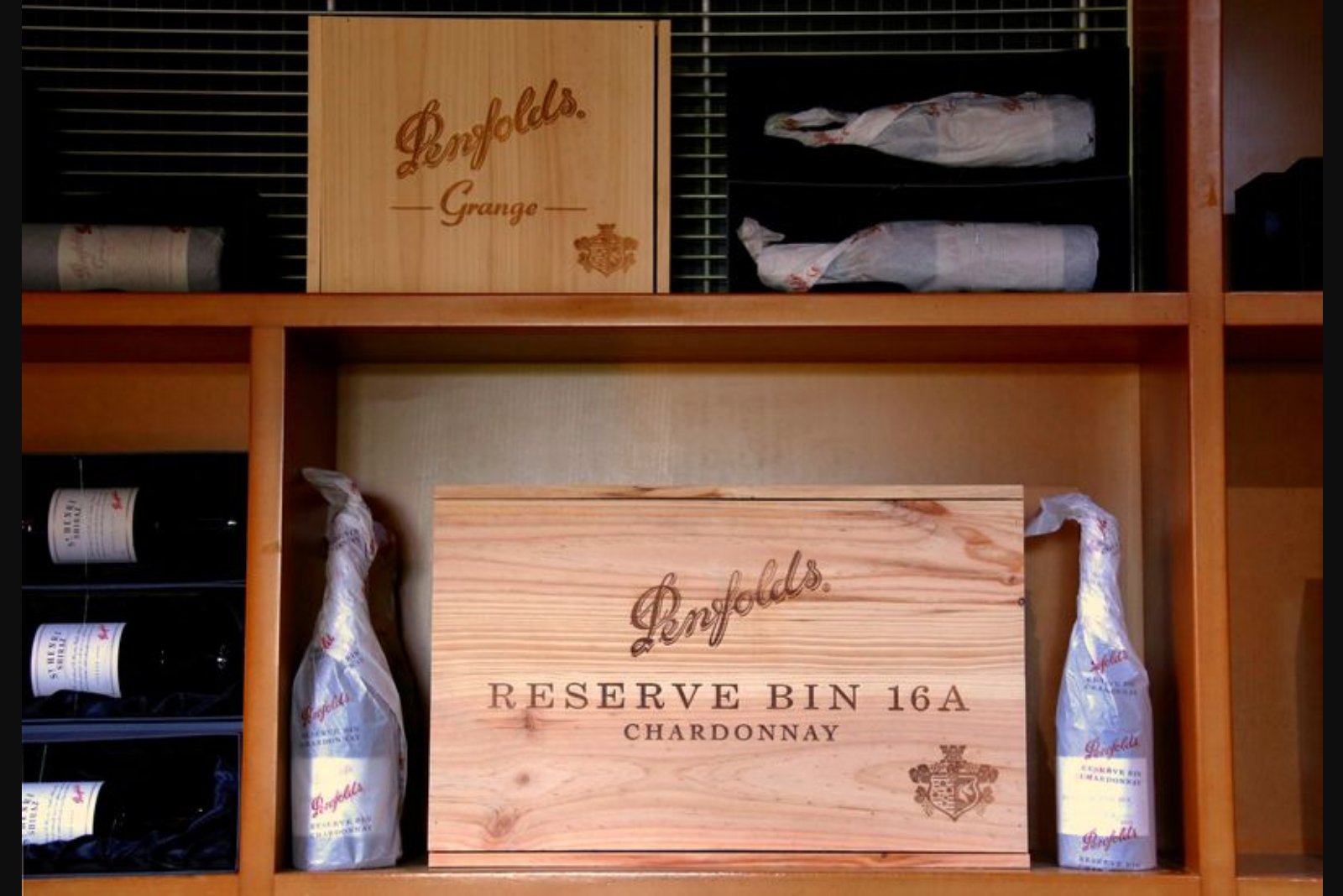
On the trading front, Treasury Wine reported stronger third-quarter depletions across its major markets, a trend it attributed partly to Penfolds performing strongly in China. The company noted that these depletion trends should also help reduce customer inventories in China and the United States.

Treasury Wine reiterated its expectation that earnings before interest, tax, SGARA and material items for the second half will exceed those recorded in the first half. The firm additionally stated it does not expect higher costs arising from the Middle Eastern conflict to have a material impact on fiscal 2026 results.

Following the company's announcements, analysts at Citi adjusted their rating to "neutral," noting that the newly secured debt commitments "collectively might incrementally reduce near-term concern on the balance sheet." The company disclosed the currency conversion rate used in reporting: $1 equals 1.3965 Australian dollars.

Observers and investors will be watching implementation of the new regional model and the use of the committed financing to assess whether the stated aims of streamlined governance, faster decision-making and cost reduction materialise over time.

Risks

  • The reorganisation targets a "streamlined corporate centre," language that typically implies reduced corporate layers and potential headcount impact - a risk for corporate employment and human-resources planning.
  • Although Treasury Wine does not expect higher costs from the Middle Eastern conflict to have a material impact in fiscal 2026, geopolitical-driven cost volatility remains an uncertainty for margins and supply chains in affected regions.
  • Analysts have moved to a neutral rating despite new debt commitments reducing near-term balance-sheet concerns, indicating lingering uncertainty about longer-term financial and operational outcomes.

More from Stock Markets

LG Innotek Stock Climbs to New Peak After $68 Million European Auto Parts Contract Apr 21, 2026 South32 Lowers Australia Manganese Output Forecast After Weather and Cyclone Disruption Apr 21, 2026 SpaceX’s IPO Sprint: AI Acquisitions, Ballooning Losses and a Bid to Cement Founder Control Apr 21, 2026 Cochlear Shares Plunge to 10-Year Low After Sharply Lowering FY26 Profit Outlook Apr 21, 2026 Markets Advance as Trump Announces Indefinite Extension of Iran Ceasefire Apr 21, 2026