
Stock Markets June 16, 2026 12:40 PM

Riyadh Air Cleared to Serve U.S. Routes as Saudi Carrier Expands International Push

U.S. Transportation Department grants authority to operate flights to and from the United States as Riyadh Air ramps up fleet and route plans

By Maya Rios
Share
Twitter Reddit Facebook LinkedIn
DAL

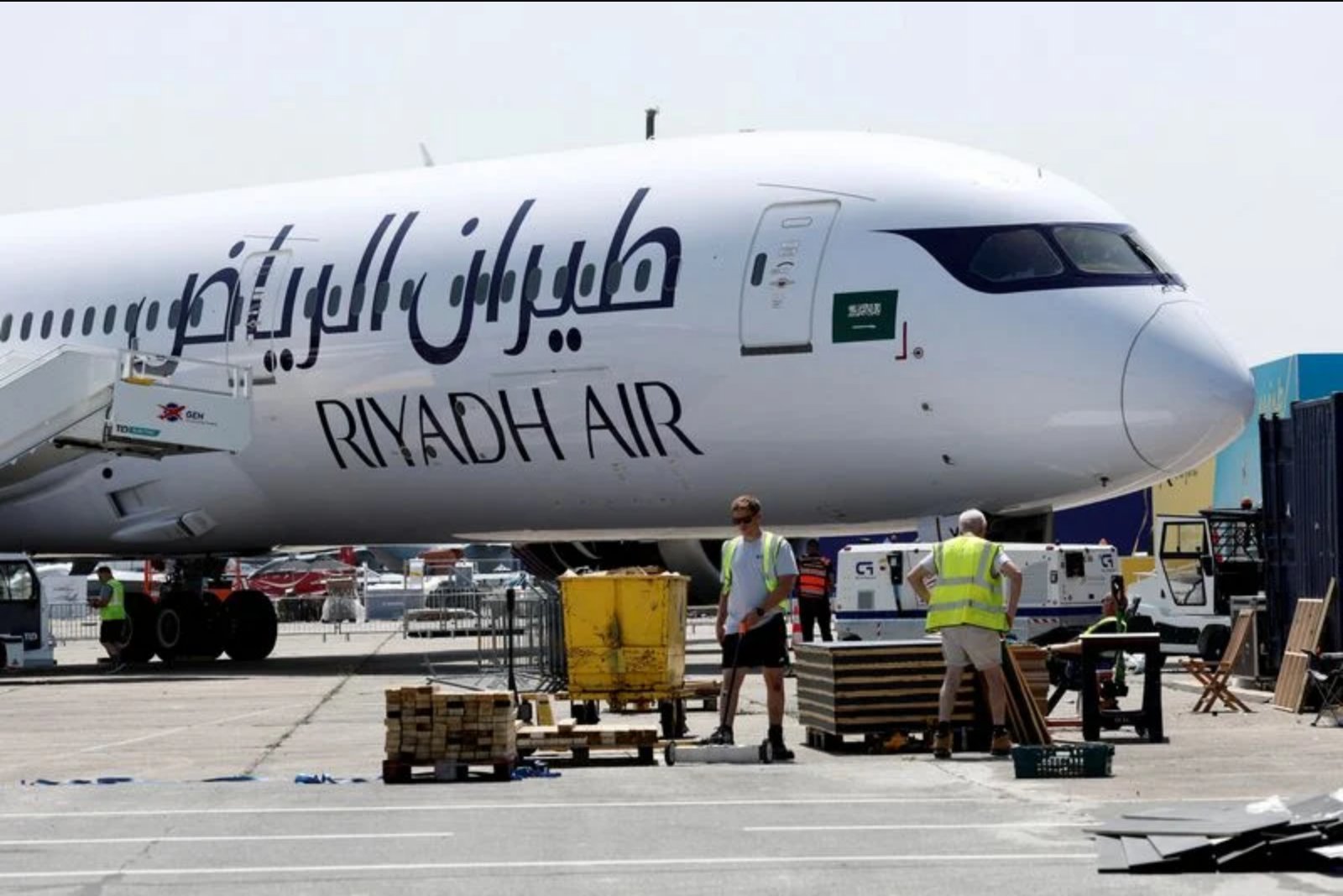
The U.S. Transportation Department has granted Riyadh Air the authority to operate flights between the United States and Saudi Arabia. The newly launched carrier, owned by Saudi Arabia's Public Investment Fund and founded in 2023, has begun international operations and disclosed ambitious fleet and route expansion plans through 2030.

Riyadh Air Cleared to Serve U.S. Routes as Saudi Carrier Expands International Push
DAL
Summarize with
ChatGPT Perplexity Claude Grok Gemini

Key Points

  • U.S. Transportation Department approved Riyadh Air to operate flights to and from the United States, calling the decision "consistent with the public interest."
  • Riyadh Air, launched in 2023 and owned by the Public Investment Fund, has started international service and plans to reach more than 100 destinations by 2030 while partnering with at least 10 carriers, including Delta Air Lines.
  • The airline is rapidly expanding its fleet and route network - targeting eight aircraft by end of July, 22 cities by March 2027, and has substantial aircraft orders including up to 72 787s, up to 60 A321neos and 50 A350s - affecting aviation, tourism, logistics and technology sectors.

The U.S. Transportation Department on Tuesday approved Riyadh Air's request to operate flights to and from the United States, granting the Saudi-backed carrier authority it said is "consistent with the public interest." The decision clears a regulatory hurdle for the airline as it pursues rapid international expansion.

Riyadh Air, established in 2023 and owned by Saudi Arabia's Public Investment Fund, began commercial service last week with its inaugural London flight using its new Boeing aircraft. The airline is Saudi Arabia's second national carrier alongside Saudia.

In its application for U.S. authority last month, Riyadh Air said it intends to serve more than 100 international destinations by 2030 and that it has or is pursuing partnerships with at least 10 international carriers, including a tie-up with Delta Air Lines. Delta has announced plans to launch nonstop service between Atlanta and Riyadh in October.

Riyadh Air's leadership has outlined an aggressive fleet build-out and route timetable. Deliveries this year are expected to bring the airline's operational fleet to eight aircraft by the end of July, and the carrier expects to be flying to 22 cities by March 2027, according to Riyadh CEO Tony Douglas. Douglas has described the company - which has orders including up to 72 Boeing 787s, as many as 60 A321neos, and 50 A350s - as "the biggest global aviation startup in modern history."

The carrier has already announced services or route plans to cities including Cairo, Dubai, Jeddah, Madrid and Manchester, and Douglas indicated that cities in India are likely to follow.

Riyadh Air is part of the Saudi government's broader strategy to diversify an oil-dependent economy by developing sectors such as tourism, logistics and technology. The airline's growth plan, its aircraft orders and international partnerships are central elements of that diversification effort.


Contextual note: The U.S. Transportation Department's statement framed the grant of authority as aligned with the public interest. Beyond that statement and the carrier's disclosed plans, the application and approval reflect regulatory clearance rather than operational schedules or commercial performance metrics.

Risks

  • Regulatory approval confers operating authority but does not guarantee commercial success or specific operational outcomes, a risk for the aviation and tourism sectors.
  • Rapid fleet expansion and ambitious route targets carry execution and capital-allocation risk for Riyadh Air and its suppliers, impacting aircraft manufacturers and airline finance markets.
  • Partnerships and planned network growth remain prospective; delays or changes in announced plans could affect route development and related sectors such as logistics and travel services.

More from Stock Markets

Framework for Iran Pact Includes $300 Billion Private Investment Vehicle, Source Says Jun 16, 2026 Stocks See Wide Swings; SpaceX, Moderna Rally While Intel and Planet Labs Slip Jun 16, 2026 Cyber extortion group claims theft of more than 1TB from Novo Nordisk, says $25 million demand was refused Jun 16, 2026 Moderna Stock Advances After FDA Staff Report Backs mFlusiva Data Jun 16, 2026 Apollo Exit Highlights Rising M&A Activity in U.S. Private Golf-Club Market Jun 16, 2026