
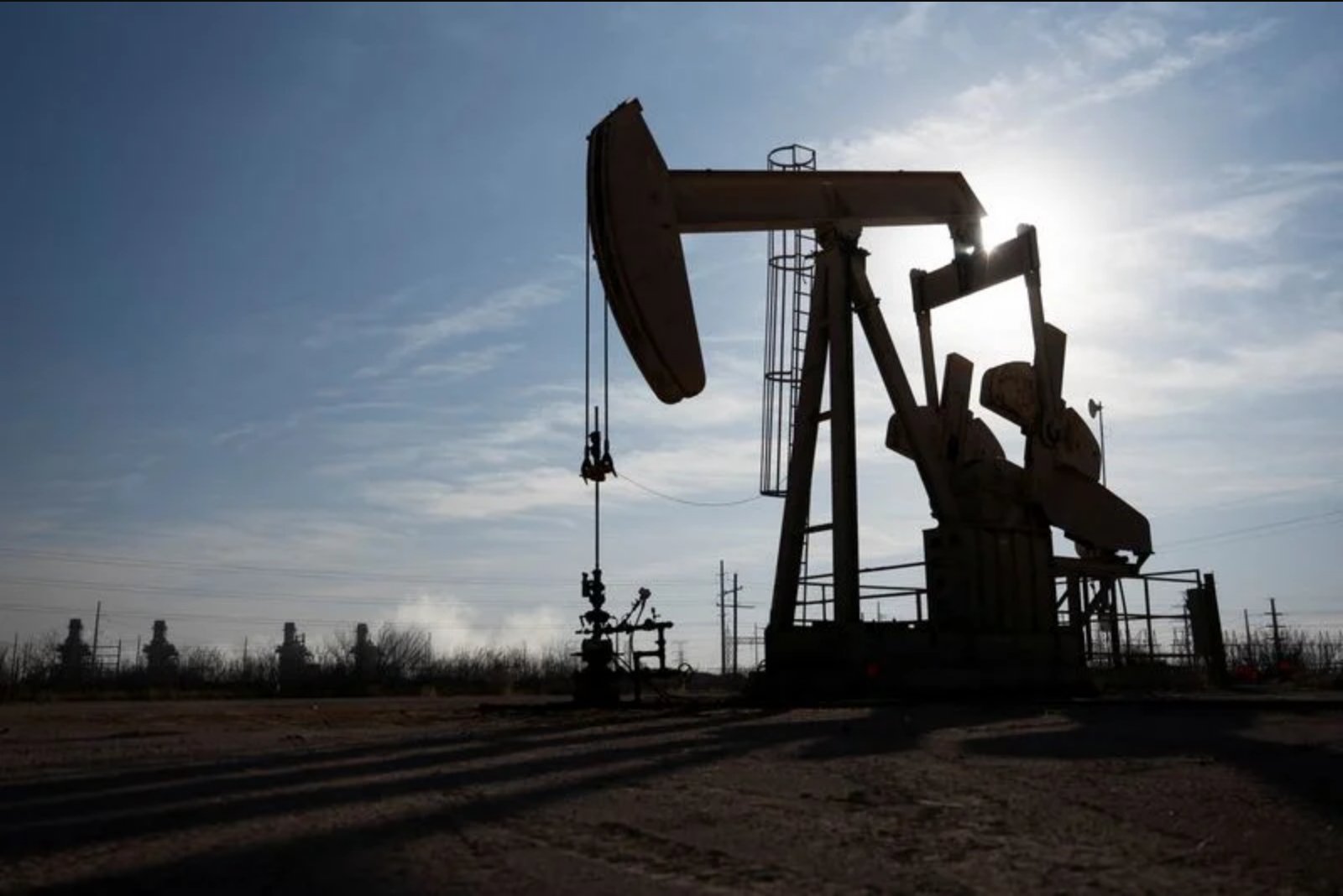
Oil prices dropped about 5% on Tuesday, sliding to their lowest intraday levels in roughly three months as market participants reacted to reports that an interim memorandum of understanding between the United States and Iran could permit Iran to begin selling oil and fuel immediately and allow the Strait of Hormuz to reopen.
Brent crude futures fell $4.25, or 5.1%, to $78.92 a barrel at 12:02 p.m. ET (1602 GMT). U.S. West Texas Intermediate crude declined $4.80, or 5.9%, to $75.95. The moves extended losses that had already begun earlier in the morning, leaving both contracts on track for their weakest closes since early March - Brent its lowest since March 2 and WTI its lowest since March 4.
The fall in prices comes after a report that the United States would allow Iran to immediately resume sales under the memorandum of understanding. The interim agreement is intended to extend a tenuous ceasefire announced in April by another 60 days and to reopen the Strait of Hormuz, which Iran has effectively blocked since the U.S. and Israel first attacked Iran. Before the conflict, about 20% of global oil supplies passed through the strait.
Oil had already moved lower on Monday, dropping nearly 5% after U.S. President Donald Trump announced an interim deal to end the U.S.-Israeli war with Iran. On Tuesday, Trump said the text of the agreement would be made public soon. The latest reporting prompted traders to further reduce the risk premium priced into crude markets.
Despite the market reaction, analysts cautioned that the path to normalised shipping and energy exports may be slow. Implementation challenges, disputes over compensation and lingering sanctions or nuclear issues could delay full resumption of flows.
"For now, a major vote of confidence is being applied to the success of this plan with limited regard to thorny issues such as financial compensation, sanctions and especially a satisfactory nuclear deal that was largely the reason behind the war," analysts at energy advisory firm Ritterbusch and Associates said in a note.
Following the preliminary agreement announced on Monday, major investment banks including Goldman Sachs, Morgan Stanley and Citi lowered their oil price forecasts.
Other influences weighed on prices as well. Concerns about China’s economy, rising global inflation and higher interest rates, and U.S. calls for a negotiated settlement between Russia and Ukraine all contributed to downward pressure on crude.
In China, the world’s second-largest economy, data for May signalled increasing unevenness in activity. Separately, U.S. comments encouraging Russia to seek peace with Ukraine - and the suggestion that a settlement could lead to lifting some sanctions - raised the prospect of increased Russian oil exports. Russia remained the world’s third-largest crude producer behind the United States and Saudi Arabia in 2025, according to U.S. energy data.
Monetary policy developments added another layer of influence. Most global brokerages are now betting that the U.S. Federal Reserve will hold interest rates steady for the remainder of 2026, reversing earlier expectations for rate cuts. Policymakers are navigating elevated inflation risks and a resilient labor market. Meanwhile, the Bank of Japan raised interest rates to a 31-year high on Tuesday. Higher interest rates generally increase consumer costs, which can damp economic growth and reduce demand for oil.
China’s crude oil throughput in May fell 9.1% from a year earlier, marking the lowest level in almost four years. That drop fed into broader concerns about demand from a major consumer of energy.
Market attention also focused on U.S. inventory data due this week. The oil market awaited weekly storage reports from the American Petroleum Institute trade group later on Tuesday and from the U.S. Energy Information Administration on Wednesday. Analysts estimated that energy firms drew 4.5 million barrels of crude from storage during the week ended June 12. If realised, that would mark the first time energy firms had withdrawn crude from storage for eight consecutive weeks since January 2025. For comparison, inventories decreased by 11.5 million barrels in the same week a year earlier and the five-year (2021-2025) average decline for the comparable week is 2.3 million barrels.
Price action over the past week has been driven by a combination of geopolitical headline risk - now partially offset by reports of an interim agreement - and underlying macroeconomic signals. Traders appear to be rebalancing exposure to potential supply improvements through the Strait of Hormuz even as uncertainties around the deal’s implementation and the broader macroeconomic backdrop remain significant.
For now, the retreat in crude has pushed benchmarks into technical oversold territory for a third day in a row, a development that the market had not seen since October 2025.
This mix of geopolitical repricing, macroeconomic worries and inventory dynamics will likely determine near-term direction for oil until the memorandum text is published and more definitive data on shipping and flows are available.