
Officials close to the process say the incoming administration plans to include exemptions in a proposed federal definition of "ultra-processed" foods for products that already meet the U.S. Food and Drug Administration's criteria for making a "healthy" claim, as well as for infant formulas. Those characterizations come from people familiar with the matter who were not authorized to speak publicly.
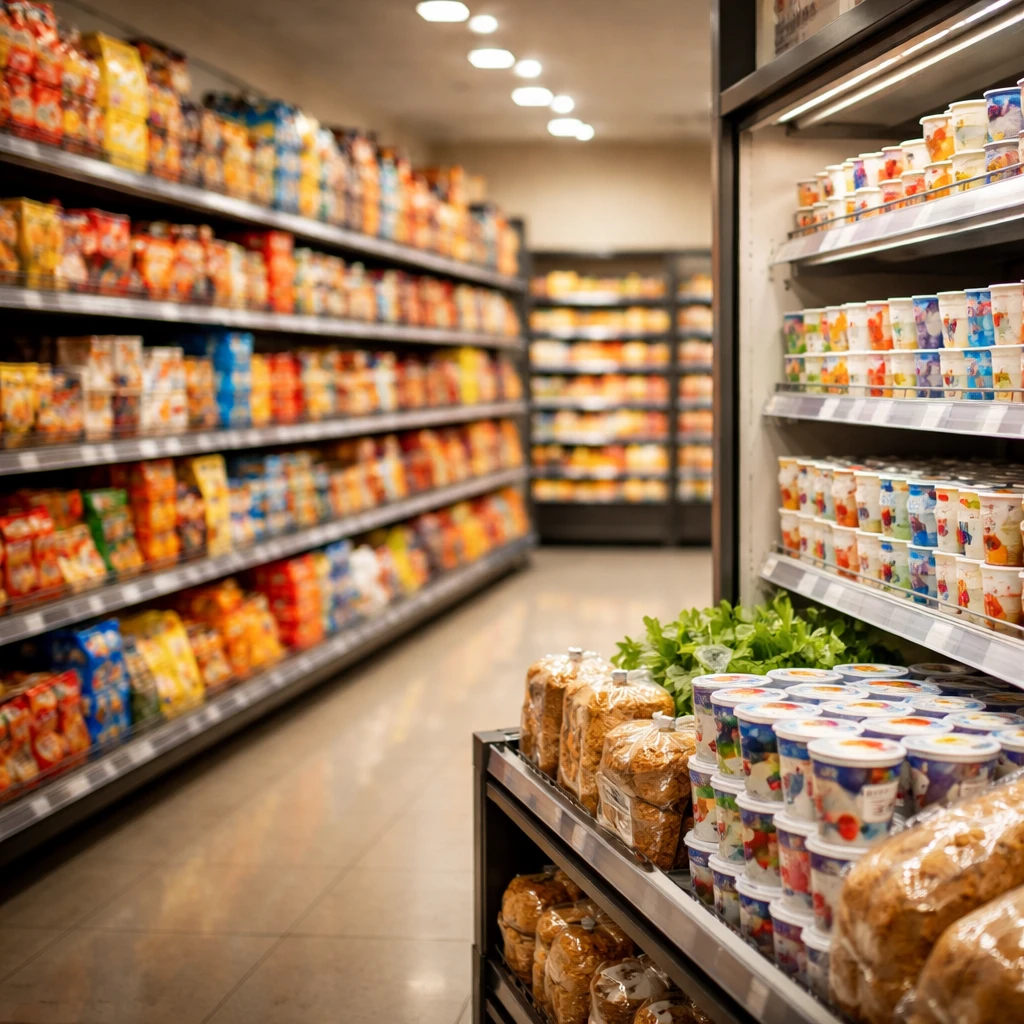
Under the expected approach, the new definition would list certain food additives and artificial colors as indicators of ultra-processing. At the same time, foods that satisfy the FDA's existing nutritional thresholds for a "healthy" designation could be carved out of the ultra-processed category. The practical effect of that carve-out could be to keep some products with documented nutritional value - for example, particular yogurts and whole-grain breads - from being labeled ultra-processed.
Defining ultra-processed foods at the federal level is a technically complex effort. The Department of Health and Human Services and the Department of Agriculture have spent nearly a year trying to draw a line that captures the highly processed products prevalent in supermarket centers without unintentionally including items that public policy aims to encourage.
The issue has commercial significance: Americans obtain more than half of their daily calories from ultra-processed foods, and major food companies are reported to be pressing regulators to weigh a product's overall nutritional profile when setting the criteria. Industry lobbying has focused on ensuring that nutritional composition factors into the final definition rather than relying solely on processing markers.
Regulators are therefore attempting to balance two objectives - targeting additives and processing techniques associated with poor nutritional outcomes, while preserving access and market positions for foods that offer nutritional benefits and meet existing regulatory standards. How that balance is struck will determine which shelf-stable and convenience products remain characterized as ultra-processed and which do not.
For now, the specifics beyond a likely additives list and the stated carve-outs remain unannounced. Officials involved in drafting the language have characterized the work as ongoing, and detailed regulatory text has not yet been released for public review.