
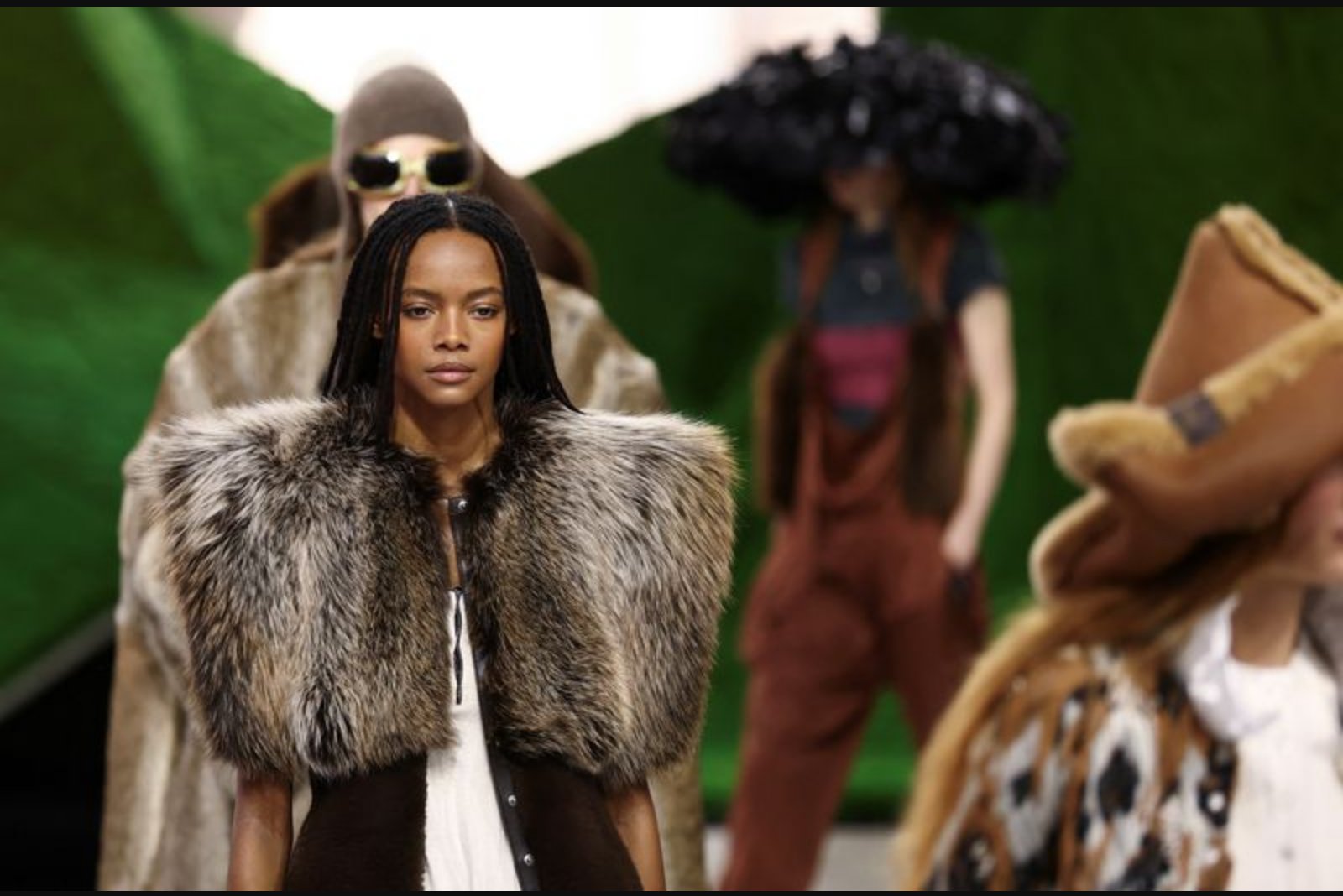
Shares of French luxury conglomerate LVMH dropped as much as 3% on Tuesday after the company disclosed first-quarter sales were hurt by the war in Iran, which reduced spending by shoppers from the Middle East and delayed an expected rebound for the luxury market leader.
LVMH, owner of 75 brands including Louis Vuitton, Dior and Tiffany & Co, said the conflict cost the group at least 1 percentage point of its global sales in the quarter. Company management attributed the shortfall to weaker purchasing activity in Gulf shopping centres such as Dubai and to a reduction in Middle Eastern visitors travelling to Europe.
The share price decline marked the latest setback for the group in a year that has already seen LVMH shares slip 26% since the start of the year as hopes for a swift recovery in luxury demand have dampened. Analysts and portfolio managers described the conflict as an additional obstacle to growth, following other macroeconomic pressures.
Ben Lambert, a European equities portfolio manager at Ninety One in London, said: "It remains clear that 2026 is still a transition year for LVMH. For the shares though that is already reflected in the valuation."
Executives at LVMH provided more granular detail on the impact in the Middle East. Finance chief Cecile Cabanis said mall traffic in the region - which represents about 6% of the group's turnover - initially fell by between 30% and 70%, with an average decline of roughly 50%. "What we see today is still that demand is very much down," she said, adding that the company expects the conflict to exert a larger hit on profitability because the Middle East is a relatively profitable market for the group.
Market watchers noted additional pressures that could weigh on demand. Kevin Thozet, portfolio adviser at Carmignac in Paris, pointed to higher energy prices and mortgage rates as likely constraints on discretionary spending by middle-class or "aspirational" luxury buyers. He also warned that weaker equity markets might lower spending by wealthy American consumers. Thozet observed: "The question is whether we are just kicking the can down the road because of what’s happening in the Middle East, postponing expectations of a recovery by one or two quarters, or if it’s something more material."
Analysts also flagged the impact of the euro's recent strength against the dollar. Berenberg analyst Nick Anderson said a firmer euro hit LVMH's first-quarter sales and could dampen demand as fewer tourists come to Europe and buy items such as handbags or perfumes. "This will still be a big issue in the second quarter," Anderson said.
Investors were set to watch results from other major luxury houses to gauge whether the weakness is more broadly felt across the sector. Gucci owner Kering was scheduled to report after the market close on Tuesday, while Hermes was due to publish first-quarter figures on Wednesday morning.
While LVMH reports profit figures only at its half-year results in July, Cabanis warned that the war may have a larger-than-anticipated effect on margins because of the profitability profile of Middle Eastern sales.
The combination of geopolitical disruption, currency headwinds and domestic macro factors has prompted market participants to reassess the timing of a recovery for luxury demand, leaving the sector's leader navigating a difficult backdrop as it moves through 2026.
Key points
- LVMH said the Iran war reduced global sales by at least 1 percentage point in the first quarter, contributing to a share decline of up to 3% on Tuesday.
- Middle Eastern mall traffic, representing about 6% of LVMH turnover, initially fell 30% to 70% with an average drop near 50%, pressuring both sales and profitability.
- Additional headwinds include a stronger euro versus the dollar, higher energy and mortgage costs, and softer equity markets, all of which could curb demand for luxury goods and travel-related retail.
Risks and uncertainties
- Ongoing geopolitical tensions in the Middle East could prolong reduced spending by Gulf shoppers and depress sales in key shopping hubs - impacting luxury retail and travel-related sectors.
- Macro pressures - including higher energy prices and mortgage rates - may suppress demand among aspirational luxury consumers, affecting the broader retail and consumer discretionary sectors.
- Currency fluctuations, notably a stronger euro, could continue to deter tourist shopping in Europe and weigh on multinational luxury firms' reported sales, with knock-on effects for tourism and retail sectors.
Exchange rate reference provided by the company: $1 = 0.8501 euros.