
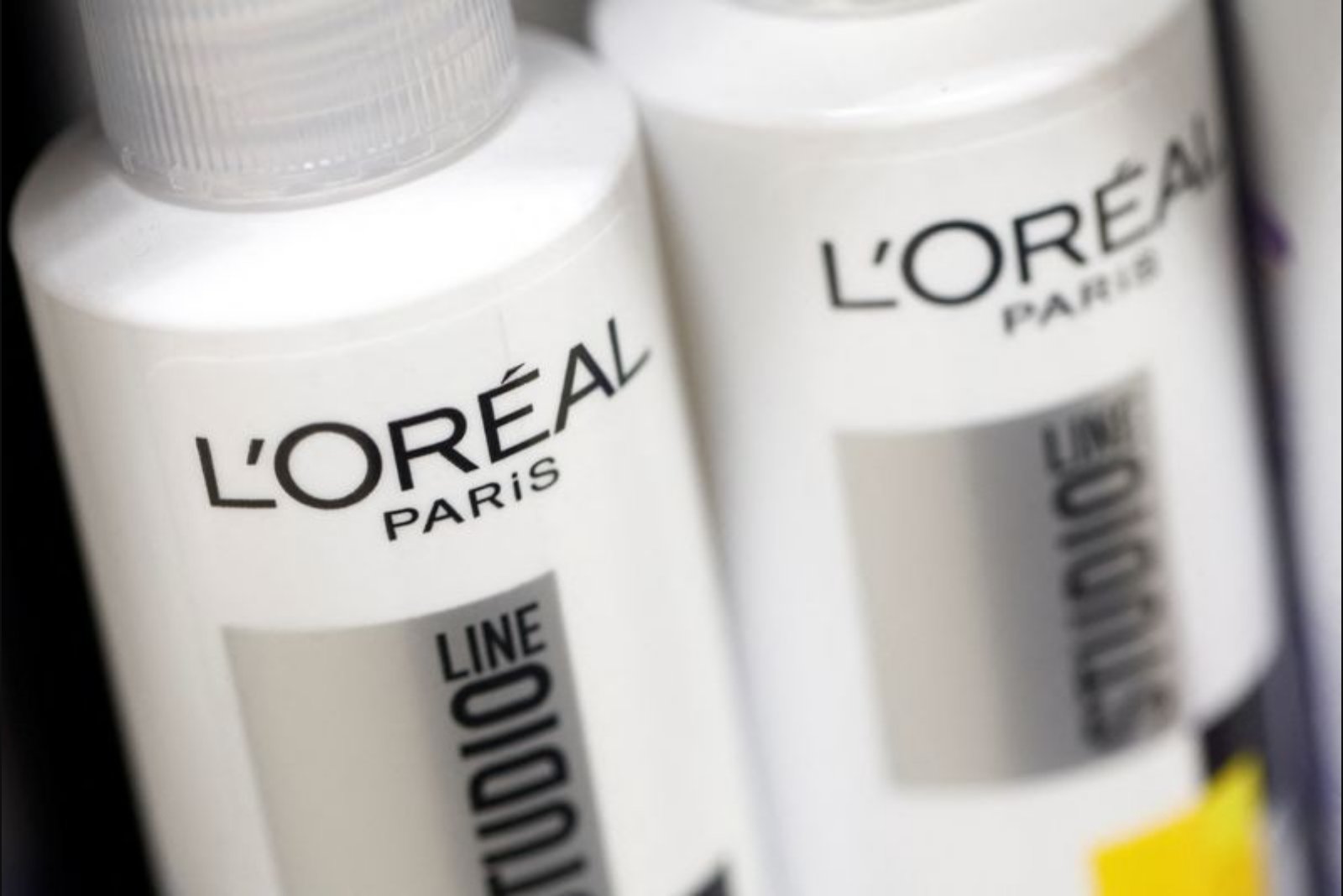
Shares of L'Oreal climbed more than 8% on news that the French cosmetics group recorded 6.7% sales growth in the first quarter, marking its strongest quarterly expansion in two years. Early trading saw the stock rise almost 9%, and it was up 8.3% at 375 euros by 0841 GMT after having been down roughly 6% so far this year amid concerns about the wider impact of the war in the Middle East on consumer sentiment.
The company said consumers in the United States, China and Europe increased purchases of its premium haircare brands and fragrances during the quarter. Management expressed optimism about growth in both sales and profits in 2026, even as geopolitical tensions and related economic effects weigh on consumer confidence.
Analysts at RBC described the performance as a return to form, having expected first-quarter growth of 5.6%. Market commentary noted that L'Oreal outperformed luxury peers that reported weaker demand from shoppers in the Middle East and outpaced consumer goods rivals such as Beiersdorf, which reported a decline in sales this week.
The group's results were supported by pronounced expansion in emerging markets. L'Oreal said sales in China improved in the quarter, driven by demand for luxury products. In Europe, its largest market, management said consumers remained resilient and in some instances were buying cosmetics as a way to feel better amid stressful conditions, a point made by the company's chief executive during discussions with analysts.
Growth was broad-based across multiple product segments rather than concentrated in a single business, a pattern highlighted by Michael Field, chief equity strategist at Morningstar. That distribution of growth helped underpin the stronger-than-expected top-line performance.
Despite the upbeat sales picture, the company's finance chief warned of headwinds to gross margin in the first half stemming from U.S. tariffs. Christophe Babule told analysts that the group expects a negative impact on gross margin from those tariffs and is working to mitigate the effect, together with addressing the potential hit from higher oil costs linked to the Iran conflict.
Market strategists noted, however, that volume growth and price increases implemented by the group are expected to help offset some of the margin pressure from tariffs, a view articulated by Morningstar's Field.
Following the results, analysts at JPMorgan raised their forecast for full-year sales growth to 4.8% from a prior 4.1%, while also anticipating a slowdown in the second quarter.
Separately, the reporting included a promotional mention of a trading product tied to the symbol OREP. The promotional text described a chart-vision trading tool that claims to convert chart analysis into a trading plan within 60 seconds, offering entry, stop-loss and profit target signals for traders seeking conviction in their trades.