
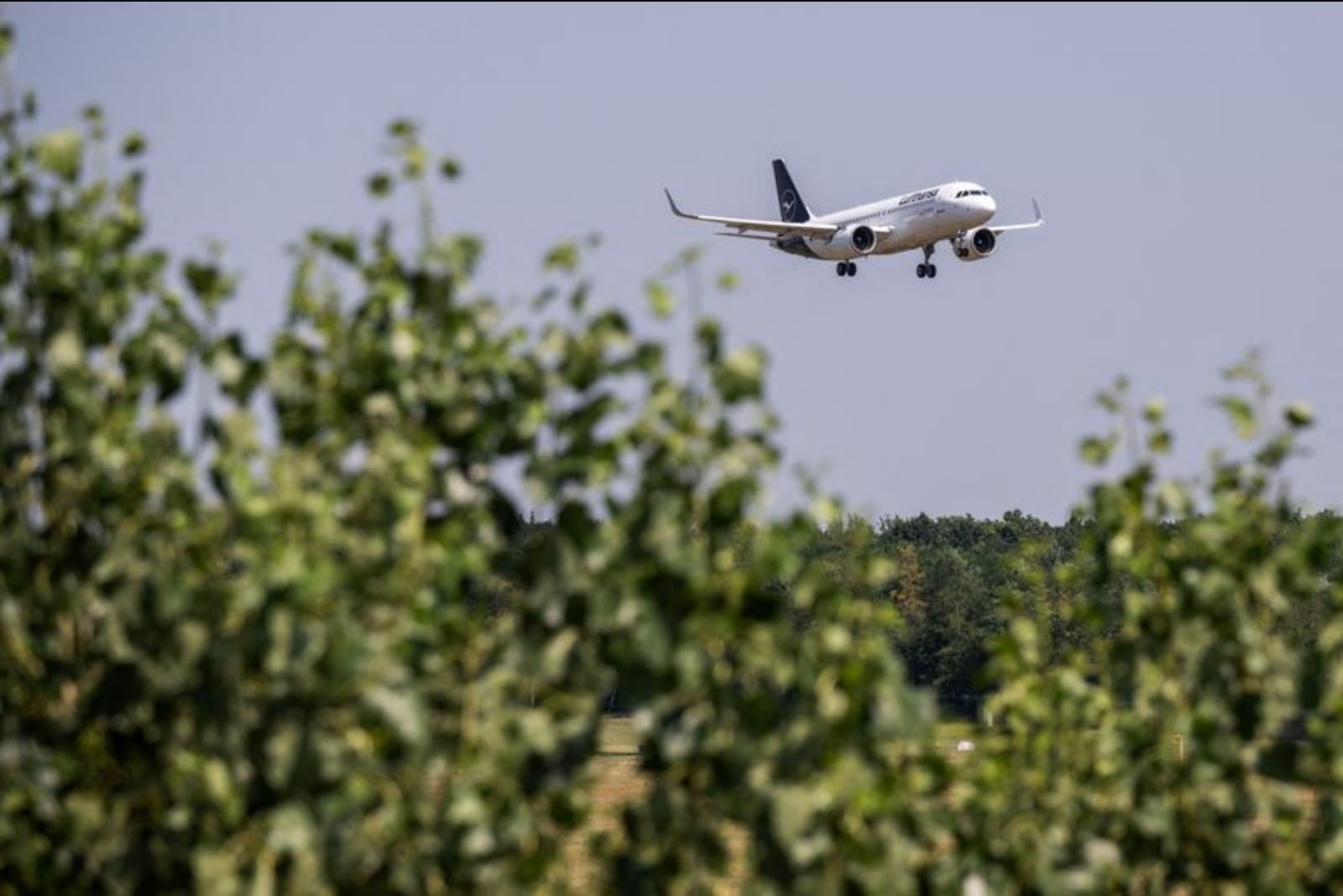
Disruptions to global oil flows related to the Iran war have materially increased the fuel component of airline costs, adding more than $100 to the cost of a typical long-haul flight originating in Europe, according to an analysis by campaign group Transport & Environment (T&E).
T&E calculated that the spike in jet fuel prices raised the average fuel cost by 88 euros ($104) per passenger on long-haul routes leaving Europe, and by 29 euros per passenger on flights within the continent. The group compared fuel costs on April 16 with levels just before the U.S. and Israeli conflict with Iran began on February 28.
Using estimates of average fuel burn across all routes departing Europe and dividing that figure by the number of departing passengers, T&E produced per-passenger figures for the additional fuel expense. Their route-level examples included a 26-euro increase per passenger for a Barcelona-to-Berlin flight and a 129-euro increase per passenger for a Paris-to-New York trip, figures the group included in an analysis published on Tuesday.
European carriers are bracing for a difficult spring and summer travel season as jet fuel prices climbed to well over $100 a barrel after the Iran war began. Concerns that supply shortages could force airlines to cancel services have risen, and the European Union is set to issue guidance on handling constrained jet fuel supplies on Wednesday.
Executives from several airlines - including Lufthansa, Ryanair and Air France-KLM - told the media in March that they were likely to transfer higher fuel costs onto customers if the Strait of Hormuz remained closed on a longer-term basis. T&E said its calculations indicate that the additional costs from the recent fuel-price surge outweigh the additional expenses airlines face from complying with existing EU climate policies.
"The Middle East crisis proves that our real vulnerability is a tank filled with foreign oil, not the laws designed to fix it," said Diane Vitry, director of aviation at T&E.
Airlines have pressed for rollbacks of some European climate measures, specifically citing a 2030 mandate to incorporate synthetic green jet fuel and urging a review of forthcoming carbon pricing rules. In response, EU policy proposals are expected to include measures to bolster energy independence, notably by increasing investment in green jet fuels.
The analysis by T&E used an exchange rate of $1 = 0.8489 euros in presenting dollar equivalents for its euro-denominated estimates.
While T&E's figures focus on the fuel-cost component per passenger, airlines and regulators will be watching whether and how quickly those increased costs are passed through to fares and how supply constraints might affect flight schedules.