
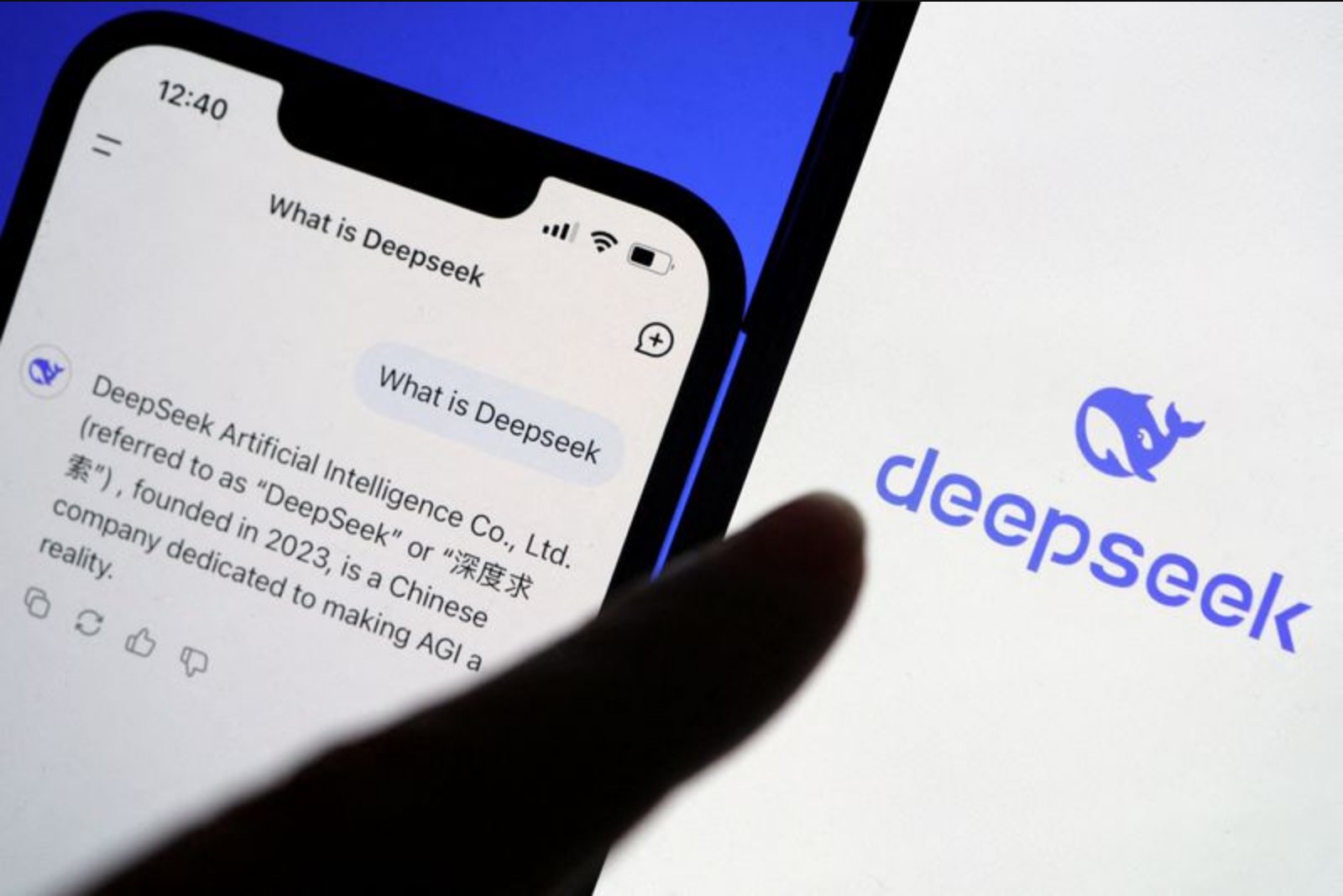
Market responses to DeepSeek’s preview of its next-generation artificial intelligence model have been comparatively muted, a sharp contrast to the strong investor reaction the Hangzhou-based startup sparked last year. That earlier success followed the firm’s rollout of low-cost AI models that caused a global reevaluation of AI infrastructure spending and competitive positioning.
DeepSeek had earlier released versions V3 and R1 overseas, touting that those models were trained with only a fraction of the computing power used by some U.S. rivals. The overseas reception of those releases played a central role in a global selloff in technology shares, as investors questioned the logic behind vast expenditures on AI compute. Market observers described that prior episode as a "black swan" event that forced a sudden repricing of expectations about costs, competition, and China’s capacity to innovate under U.S. chip restrictions.
That backdrop makes the relatively subdued reaction to DeepSeek-V4, which the company launched on Friday, notable. The earlier element of surprise has diminished, industry participants and benchmark data indicate, as the market has become accustomed to models that deliver strong performance while operating under compute constraints.
"This announcement followed a rather predictable path," said Lian Jye Su, chief analyst at Omdia, pointing to the broad exploration of improvements in model architectures and efficiency across both industry and academia. Su’s assessment reflects a view among analysts that incremental advances are now more common, reducing the scope for a single release to dramatically alter market expectations.
Benchmarking from Artificial Analysis provides support for that perspective. Its assessment finds that DeepSeek-V4 Pro demonstrates a significant step forward compared with the company’s prior versions, but that overall the model ranks among the leading open-weight models rather than establishing a clear performance lead. Competitors named in the benchmark, including models such as Kimi and Qwen, are reported to have closed the gap, suggesting a tighter competitive field.
That reality contrasts with last year’s dynamic, when DeepSeek appeared to leap ahead of domestic peers. The earlier, more pronounced market reaction reflected a convergence of conditions: elevated valuations among some U.S. technology firms, expectations of persistent dominance by a small set of players, and the sudden arrival of an unfamiliar Chinese startup producing unexpectedly strong results. According to analysts, those conditions amplified the market impact of DeepSeek’s initial breakthroughs.
"The expectation that new players will emerge is now baked into valuations," Su said, adding that markets have become more realistic about both the capabilities and the limitations of AI.
Competition inside China has also intensified, with multiple firms issuing more capable models and thereby eroding any single company’s relative advantage. Meanwhile, broader market sentiment toward AI equities remains constructive. On Monday, stock markets in South Korea and Taiwan reached new highs, supported in part by widespread optimism around AI-related stocks.
For some observers, the strategic significance of V4 extends beyond short-term market moves and into the geopolitical contest over technology. Alfredo Montufar-Helu, managing director at Ankura China Advisors, said the release’s importance lies more in how it plays into the U.S.-China competition for technological supremacy than in immediate market disruption. He noted that DeepSeek adapted V4 to run best on Huawei chips at a time when U.S. export controls are intended to limit the Chinese market’s access to advanced U.S. chips used in AI development.
"The 'wow factor' was last year - that's already priced in," Montufar-Helu said. "What matters now is whether China can continue advancing on AI development, and potentially do so with its own chips - the geopolitical implications would be significant."
Overall, the launch of DeepSeek-V4 appears to reflect a maturing sector in which technical gains are occurring across many actors, competitive advantages are narrowing, and strategic questions about chip supply and national technological capability remain central to how markets interpret new model releases.
Key takeaways
- DeepSeek-V4 shows meaningful technical improvements but does not decisively outpace top open-weight rivals, according to benchmark data.
- Investor shock from DeepSeek’s prior low-cost models has diminished as markets and competitors adapt to efficient model designs developed under compute constraints.
- The release underscores geopolitical considerations about running advanced models on non-U.S. chips as U.S. export controls constrain access to leading-edge semiconductors.