
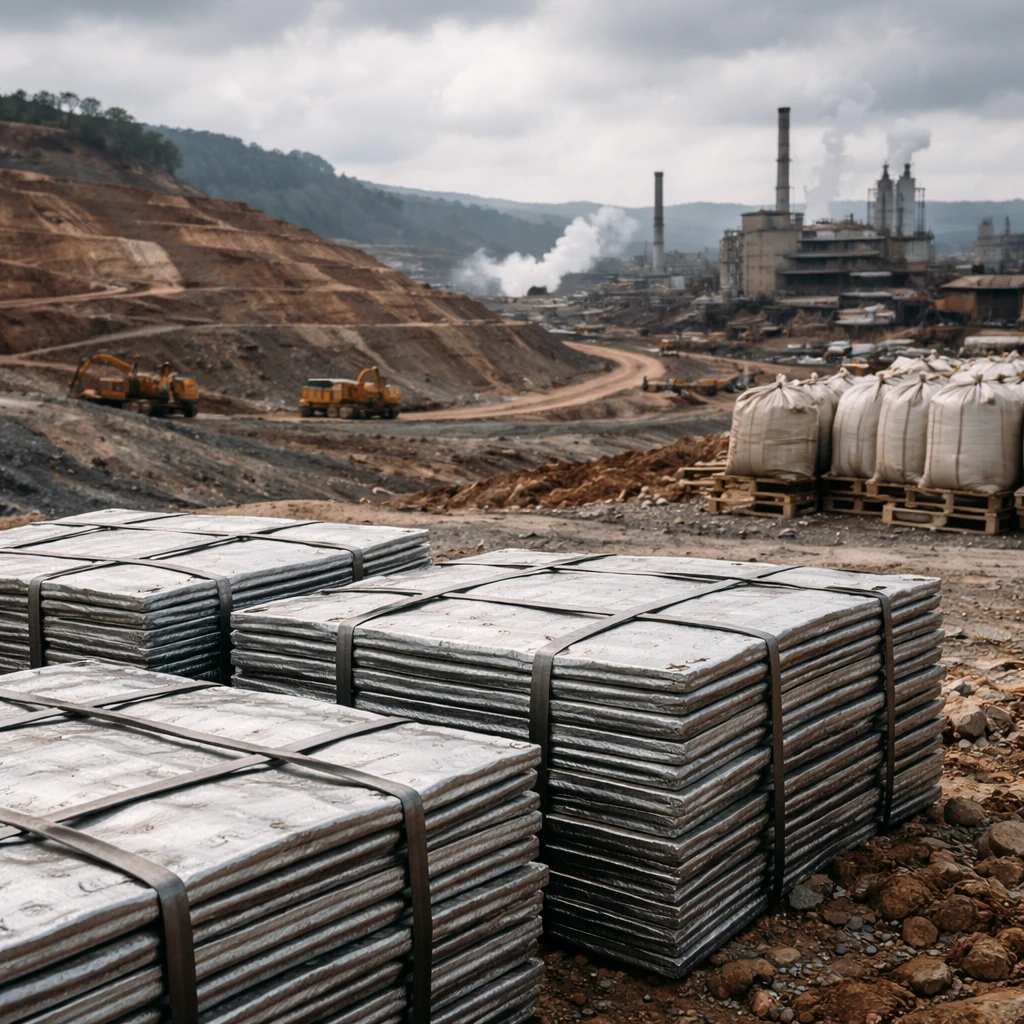
Nickel prices advanced to a near two-year peak on Monday as market participants increasingly weighed supply pressures tied to Indonesia and constraints in a key input for metal production. By 0900 GMT the London Metal Exchange benchmark for nickel had risen 2.3% to $19,445 per metric ton, having earlier reached $19,470 - the highest level recorded since June 2024.
Market attention focused on Indonesia after authorities established the country’s nickel ore production quota, known as RKAB, in a range of 260 million to 270 million tons for this year. That figure sits below the demand expectations published by the nickel smelter association FINI, which estimated demand at 340 million to 350 million tons.
The difference between the quota and FINI’s demand estimate creates a gap between officially set production limits and the volumes smelters expect to require. The shortfall, together with reported shortages of sulphur - an input used in some stages of nickel processing - has heightened concerns over the availability of material for refined metal output.
Traders and analysts noted the combination of the Indonesian quota range and the smelter association’s demand estimates as central to current market dynamics. The price move on the LME reflected those supply-side considerations, with the market reacting to the potential for constrained ore availability alongside the reported sulphur shortages.
While the precise near-term trajectory of prices will depend on how those supply dynamics evolve, the current data points underline a tightening in the balance between what has been allocated through Indonesia’s RKAB and what smelters indicate they require. The nickel benchmark’s intraday high and the subsequent settlement level recorded by 0900 GMT are the latest market signals reflecting that tension.
Observers continue to monitor both Indonesian production implementation and input availability for metal production as key variables for nickel market conditions.