
Summary
At the International Air Transport Association's annual meeting in Rio de Janeiro, airline chiefs renewed forceful complaints about the supply and reliability of modern jet engines. Executives said that grounded aircraft, prolonged repair timelines and higher-than-expected maintenance bills remain among the sector's most pressing operational constraints. While manufacturers have signaled work to boost output and repair capacity, carriers and lessors warned the market will remain tight for an extended period.
Pressure from carriers
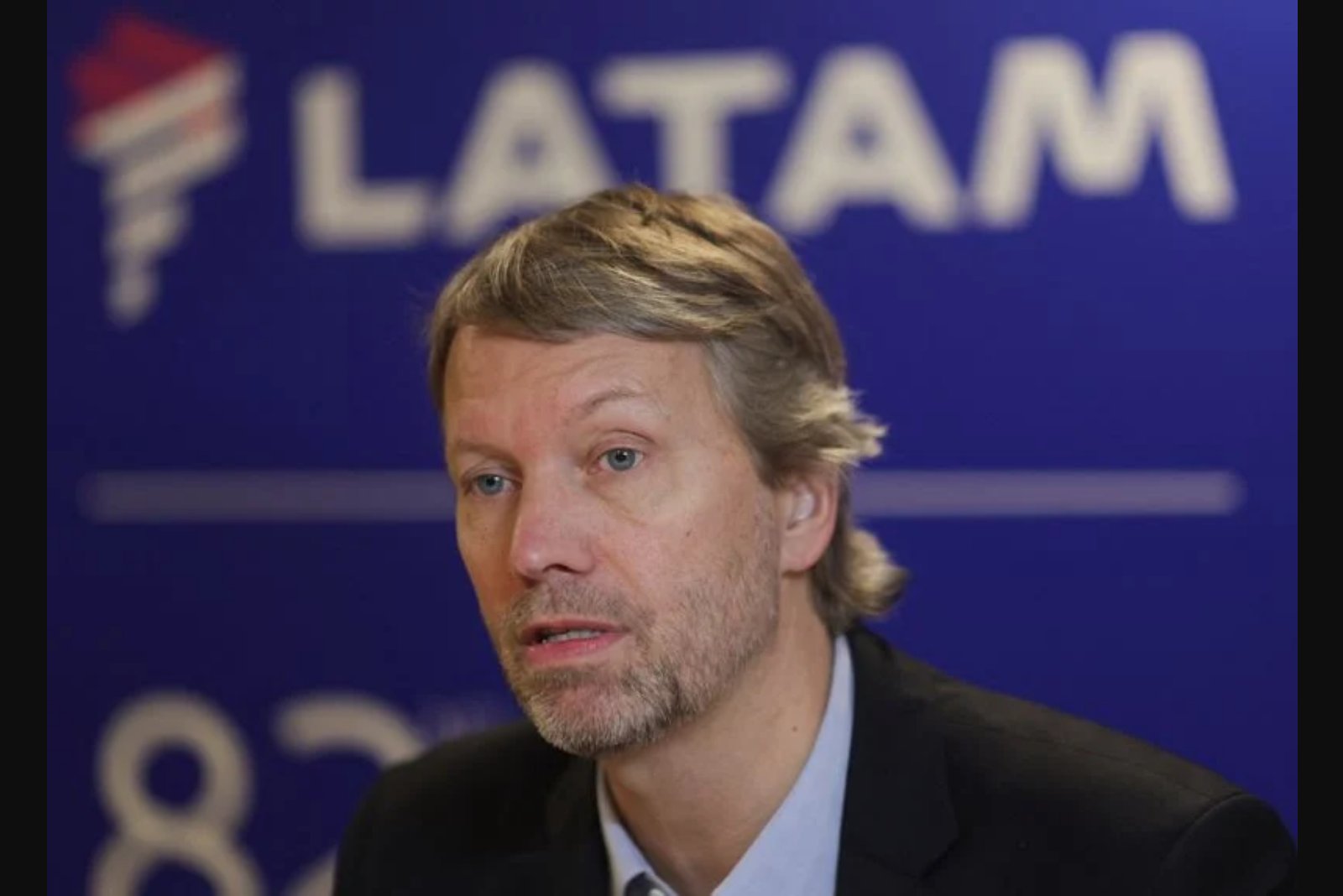
LATAM Brasil's chief executive captured the mood succinctly: "Obviously there is dissatisfaction, and the way to measure that dissatisfaction is how many aircraft I have grounded today," he told Reuters, adding that his airline had 12 single-aisle aircraft sidelined by engine problems. That snapshot of grounded equipment, executives said, is a tangible barometer of the disruption affecting network planning, fleet utilization and short-term capacity.
Other carriers reported wider fleet impacts. Italy's ITA Airways said almost 20% of its fleet is grounded, a situation its CEO Joerg Eberhart said complicates growth plans to Latin America because the affected single-aisle aircraft are needed to feed hub connections for long-haul routes. Cathay Pacific's Ronald Lam said about half of the 10 Airbus A320s run by its low-cost unit, HK Express, are grounded at any given time due to GTF engine issues.
Executives from Azul and WestJet highlighted rising operating costs tied to modern engines. Azul CEO John Rodgerson said some engines "are not as durable as initially expected: 'They’re just not lasting as long.'" WestJet's Alexis von Hoensbroech said unscheduled work has increased and that "the cost of ownership is significantly higher than what we had anticipated." Such comments underline how maintenance burdens have eroded some of the fuel efficiency gains operators had counted on from newer propulsion technology.
Manufacturers respond
Airlines singled out engines produced by Pratt & Whitney, Rolls-Royce and GE Aerospace as sources of difficulties for both Boeing and Airbus types. Hundreds of Airbus A320neo-family aircraft have been grounded globally in part because long wait times for engine inspections and repairs, and a manufacturing issue at Pratt, have constrained output of the fuel-saving GTF engines.
RTX, the parent of Pratt & Whitney, said it is investing heavily to expand repair and production capacity and that it is working to improve the durability of the GTF. GE Aerospace likewise said it is investing in greater repair and production capability. Rolls-Royce was not immediately available for comment at the meeting.
Market tightness to persist
Lessors and operators reported some improvements, but cautioned those were incremental. "Year-on-year we’re certainly seeing incremental improvement," Avolon CEO Andy Cronin said, adding a broader caveat: "When you look at the global fleet overall it continues to be very tight, so we expect the strain on the market to continue for at least another couple of years." That framing suggests that while repair throughput may be rising, it likely will not meet demand quickly enough to restore ample spare capacity.
United Airlines CEO Scott Kirby put a longer horizon on the constraint, telling reporters: "I think the biggest constraint for at least the next five years is going to be lack of engines." He singled out GE for strong effort - "GE is working hard. I’ll put them at the top of the list" - while also noting Pratt's problems and willingness to collaborate: "Pratt has had well-publicized challenges, but is sincere and genuine in their desire to want to fix them and to work with us. ... The truth is the only one that I sort of have in my doghouse is Rolls."
Financial disconnect and industry tensions
IATA chief Willie Walsh drew attention to a financial contrast between the airlines and the suppliers. He said manufacturers have increased margins in double digits while airlines have absorbed roughly $11 billion in additional costs related to supply-chain disruptions. "They’ve done extremely well at a time of major disruption for the airlines. And I think that paradox really does need to be called out," Walsh said.
GE Aerospace CEO Larry Culp defended the industry pricing of jet engines, saying those prices reflect the scale of investment needed to develop and support complex propulsion systems. Retail and fleet owners will be watching whether higher aftermarket pricing persists as repair backlogs are addressed.
Legal, commercial and operational fallout
Several airlines are weighing or pursuing a range of responses. ITA Airways said it will decide within weeks whether to sue RTX’s Pratt over GTF issues. LATAM Brasil's CEO Jerome Cadier said litigation did not make sense for his carrier but expressed frustration that engine makers' strong margins have left airlines bearing much of the pain: "Just as airlines are suffering, I would also like to see engine makers’ margins suffer."
The combined effect of grounded aircraft, longer repair cycles and higher maintenance costs is affecting route planning, load factors on long-haul services and lessors' fleet strategies. With manufacturers asserting they are expanding capacity and durability improvements underway, industry participants said they expect gradual relief, but not a rapid return to ample spare capacity and short turnarounds.
What executives said - selected quotes
- "Obviously there is dissatisfaction, and the way to measure that dissatisfaction is how many aircraft I have grounded today." - LATAM Brasil CEO (12 single-aisle planes grounded)
- "Year-on-year we’re certainly seeing incremental improvement... the global fleet overall it continues to be very tight, so we expect the strain on the market to continue for at least another couple of years." - Avolon CEO
- "I think the biggest constraint for at least the next five years is going to be lack of engines." - United Airlines CEO
- "There’s a lot of unscheduled maintenance that’s happening... The cost of ownership is significantly higher than what we had anticipated." - WestJet CEO
- "They’re just not lasting as long." - Azul CEO
- "They’ve done extremely well at a time of major disruption for the airlines... that paradox really does need to be called out." - IATA CEO
Reporting at the IATA annual meeting in Rio de Janeiro, airline executives and lessors provided on-the-record assessments of operational strain stemming from engine availability and reliability. Engine manufacturers have publicly stated plans to expand capacity and improve durability, while some carriers are considering legal options as they manage grounded aircraft and higher-than-expected maintenance costs.