
Sept. 9 - A group of U.S. states on Wednesday launched legal challenges to recent regulatory revisions that they say illegally erode the Endangered Species Act, the federal statute credited with protecting species such as the bald eagle from development pressures.
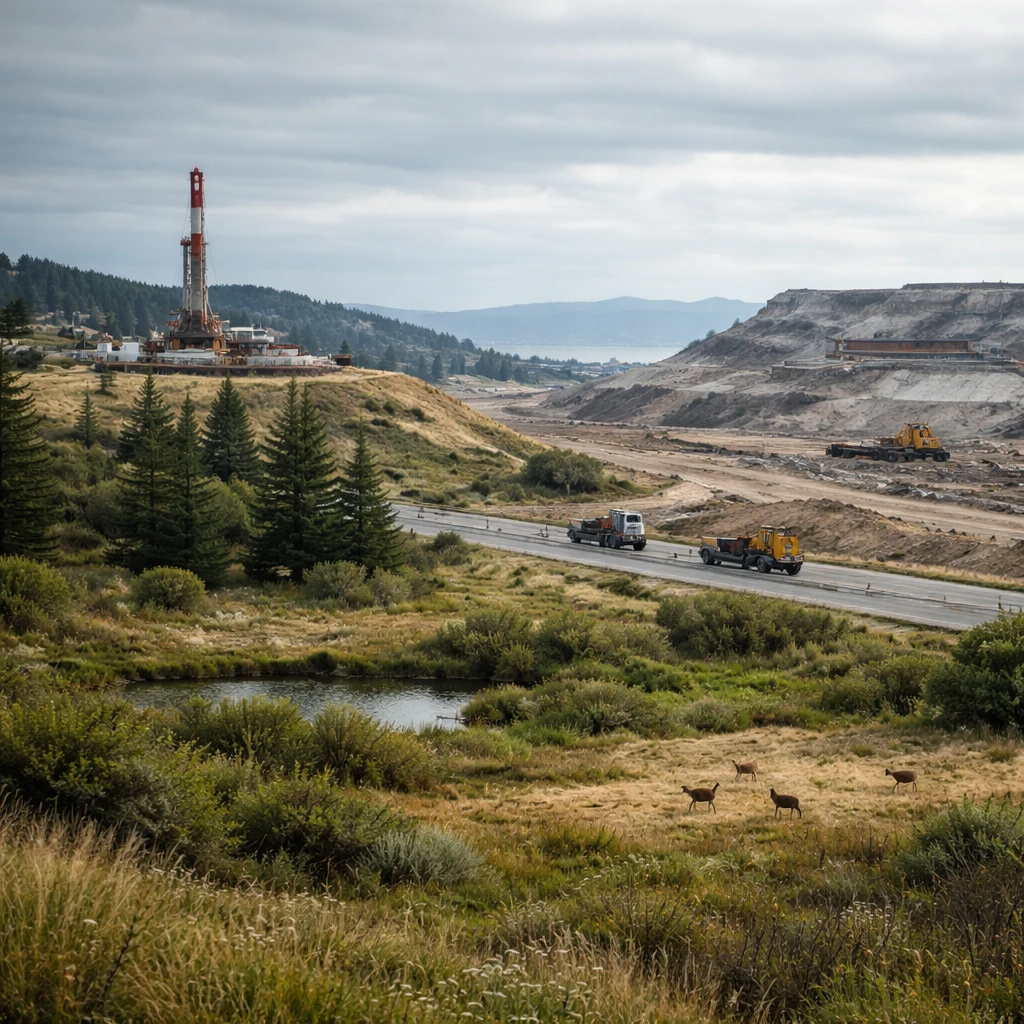
The states filed two separate lawsuits. In the first, plaintiffs contest a rule that tightens the statute's definition of what constitutes harm to listed species. Historically, that definition encompassed actions that encroached on the habitats where endangered animals live. Under the revised interpretation, activities such as oil drilling, mining and other development would be permissible in those habitats so long as they do not directly kill or injure the animals.
The second lawsuit targets two distinct regulatory changes. One rule removes broad safeguards that would automatically apply to newly identified threatened species unless the U.S. Fish and Wildlife Service adopts protections tailored to the specific species. The other requires federal decision-makers to take into account objections from developers, fossil fuel companies and other businesses before designating areas as "critical habitats."
New York Attorney General Letitia James said one or both lawsuits were filed by the attorneys general of 20 states and the District of Columbia.
Congress enacted the Endangered Species Act in 1973. The statute has been credited with preventing extinctions and supporting recoveries for a number of species, including the California condor, grizzly bear and humpback whale.
Supporters of the regulatory revisions argue the changes align with the Trump administration's broader objective to reduce regulatory burdens on American businesses. That objective has included scaling back a range of environmental initiatives and standards, reducing government support for clean energy and repealing an Obama administration-era scientific finding that linked climate change to public health risks.
Many wildlife advocates view habitat loss as the primary driver of species decline. Interior Secretary Doug Burgum has argued that the Endangered Species Act has been "weaponized" to block projects, which he says harms competitiveness, undermines national security, and imposes economic costs on Americans. He has further stated that the revised rules bring the statute closer to what he describes as its original intent.
The regulatory revisions come after the U.S. Supreme Court in 2024 overruled a four-decade-old precedent that had required courts to defer to federal agencies' reasonable interpretations of the statutes they administer. The administration and its supporters point to that decision as part of the legal context for the regulatory changes.
Legal and market implications
The lawsuits signal immediate legal uncertainty for projects in areas that host listed species. Energy and extractive industries, along with developers, could see altered permitting expectations if the challenges succeed. Conversely, if courts uphold the rules, businesses involved in oil, gas, mining and large-scale development may face fewer habitat-related restrictions under the statute's revised definitions.
At stake are the mechanics of how species are protected on federal lands and how industry input is weighed in habitat designations. The cases filed by the coalition of states will test the reach of the administration's new regulatory approach and the judiciary's role in resolving disputes over statutory interpretation.