
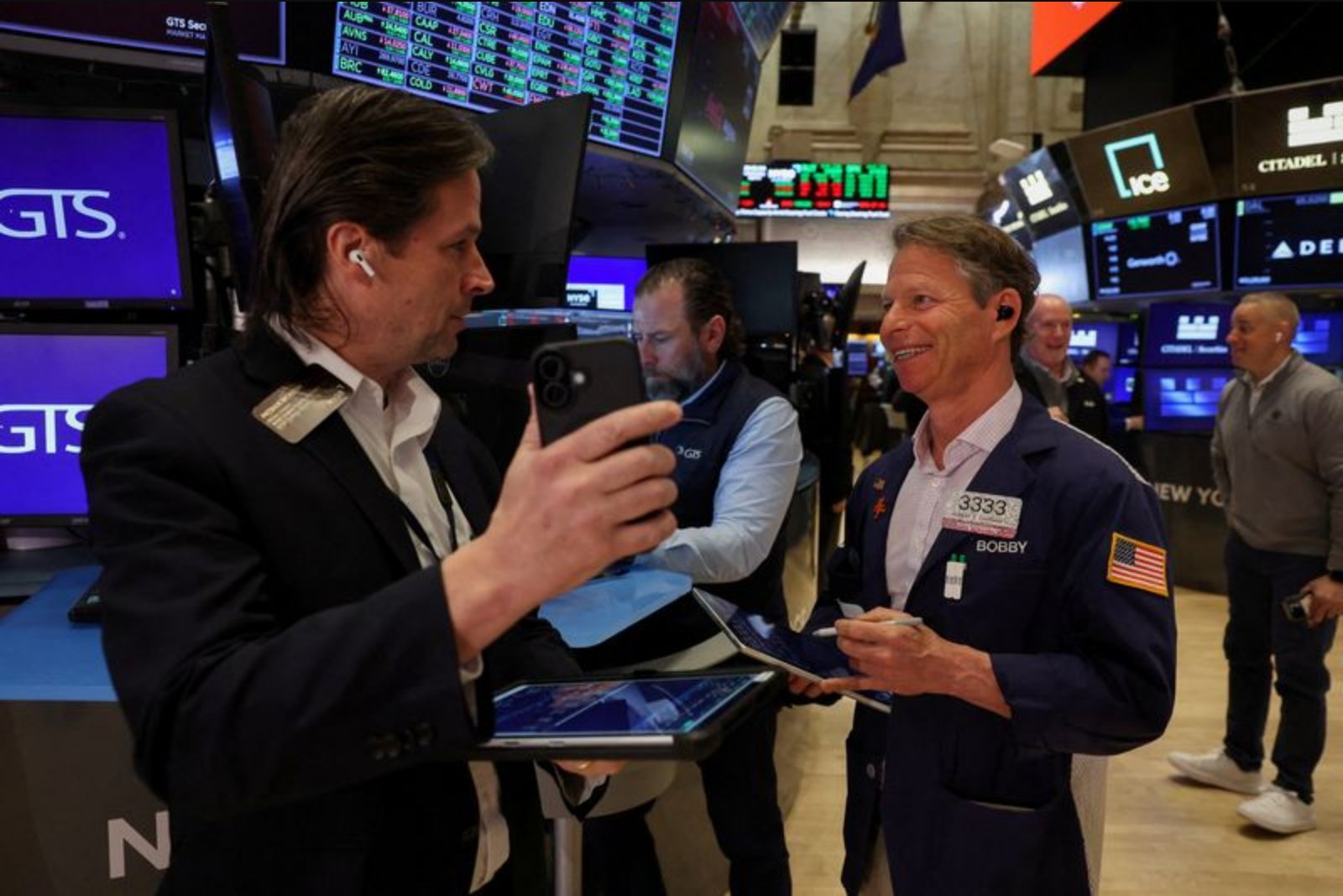
U.S. equity markets enter a consequential week as widespread gains built since late March confront a dense slate of corporate earnings led by major technology firms, alongside a Federal Reserve policy meeting that may mark the end of Jerome Powell's chairmanship.
Indexes have rallied sharply, recovering from investor worries tied to the conflict in the Middle East and reaching fresh highs. The S&P 500 was up 12% since March 30 as of Thursday, while the Nasdaq Composite has climbed more than 17% over the same period.
Anthony Saglimbene, chief market strategist at Ameriprise, captured the mood succinctly: "We’ve come a long way in a short amount of time. Next week is just going to be a big week for confirmation of the rally." That confirmation will largely depend on quarterly reports from corporate America and commentary from Federal Reserve officials.
Earnings season: tech giants in the spotlight
Corporate earnings expectations have bolstered investor optimism. According to Tajinder Dhillon, head of earnings research at LSEG, as of Thursday roughly 82% of S&P 500 companies that have reported have beaten analysts' earnings estimates, and overall first-quarter earnings were expected to rise 15.6%.
More than one-third of the S&P 500 will report next week, including four of the big-technology names that have powered much of the recent market advance. Microsoft, Alphabet, Amazon and Meta Platforms are all slated to release results on Wednesday, drawing particular attention for their planned capital expenditures aimed at expanding data-center capacity and other infrastructure to support artificial intelligence applications. Apple follows on Thursday, with market watchers digesting results in the wake of the company's announced CEO transition.
"These companies have a lot to prove, and for their stock prices to move higher, they’re really going to have to wow investors on the earnings front," Saglimbene said. After a mixed start to the year, the leading tech names and broader technology sector have contributed substantially to April's positive performance.
Chipmakers have been notable contributors, with the Philadelphia SE Semiconductor index recording a string of gains through Thursday that extended to a 17-session run. Other notable firms reporting next week include Eli Lilly, Exxon Mobil and Visa, spanning health care, energy and financials.
Federal Reserve meeting and leadership questions
The Federal Reserve is widely expected to leave interest rates unchanged at the conclusion of its two-day meeting on Wednesday. Investors will be focused on updated policy language and any commentary from officials about the economic impact of the Middle East conflict and the likely path for future rate decisions.
Heightened concerns about a war-driven surge in energy prices have damped earlier expectations for multiple rate cuts this year. Market pricing reflected by LSEG data suggested less than one standard 25-basis-point cut by December, a pullback from expectations of at least two cuts before the conflict intensified in late February.
Marvin Loh, senior global macro strategist at State Street, noted that a Fed decision to remain on hold is relatively supportive for U.S. assets compared with some other central banks that were expected to raise rates in upcoming meetings. "So it ... provides a little bit of a tailwind for U.S. assets," he said.
Beyond policy direction, the Fed meeting could be the last presided over by Chair Jerome Powell, whose term as chair is scheduled to expire on May 15. Former Fed Governor Kevin Warsh, President Donald Trump’s nominee to lead the Fed, recently appeared before a Senate panel for his confirmation hearing. However, a key senator has vowed to delay Warsh's confirmation until the Trump administration ends an inquiry into Powell over a renovation of the Fed's headquarters, leaving the timing of any leadership transition uncertain.
Economic data and the war's economic footprint
Next week's calendar also includes first-quarter U.S. gross domestic product data and the March Personal Consumption Expenditures Price Index - the Fed's preferred inflation gauge. Both releases will provide fresh information on the economy's resilience and any early economic effects from the conflict in the Middle East.
The war itself remains a central wildcard for markets. Sid Vaidya, chief investment strategist at TD Wealth, cautioned that although the market has rebounded, there is no permanent resolution in place. "The longer the conflict goes, the greater the risk to the real economy, which will then translate into some potential pain and volatility for markets," he said.
Concerns about geopolitical escalation surfaced during the week when U.S. oil prices approached $100 a barrel on reports of active air defenses over Tehran. The episode briefly knocked back stocks as markets reassessed energy-related inflation risks and the potential economic fallout.
Practical note for traders
For traders watching individual names, the confluence of major tech earnings and central bank guidance means that volatility could accelerate around release times. Investors assessing positions should weigh corporate profit trajectories, capital expenditure plans for AI infrastructure and evolving Fed commentary against the backdrop of unpredictable geopolitical developments.
Next week's events will serve as an important test of whether the recent rally can be sustained or whether markets will need to reprice for increased geopolitical and policy-driven risks.
Disclosure
No disclosure provided in the article body.