
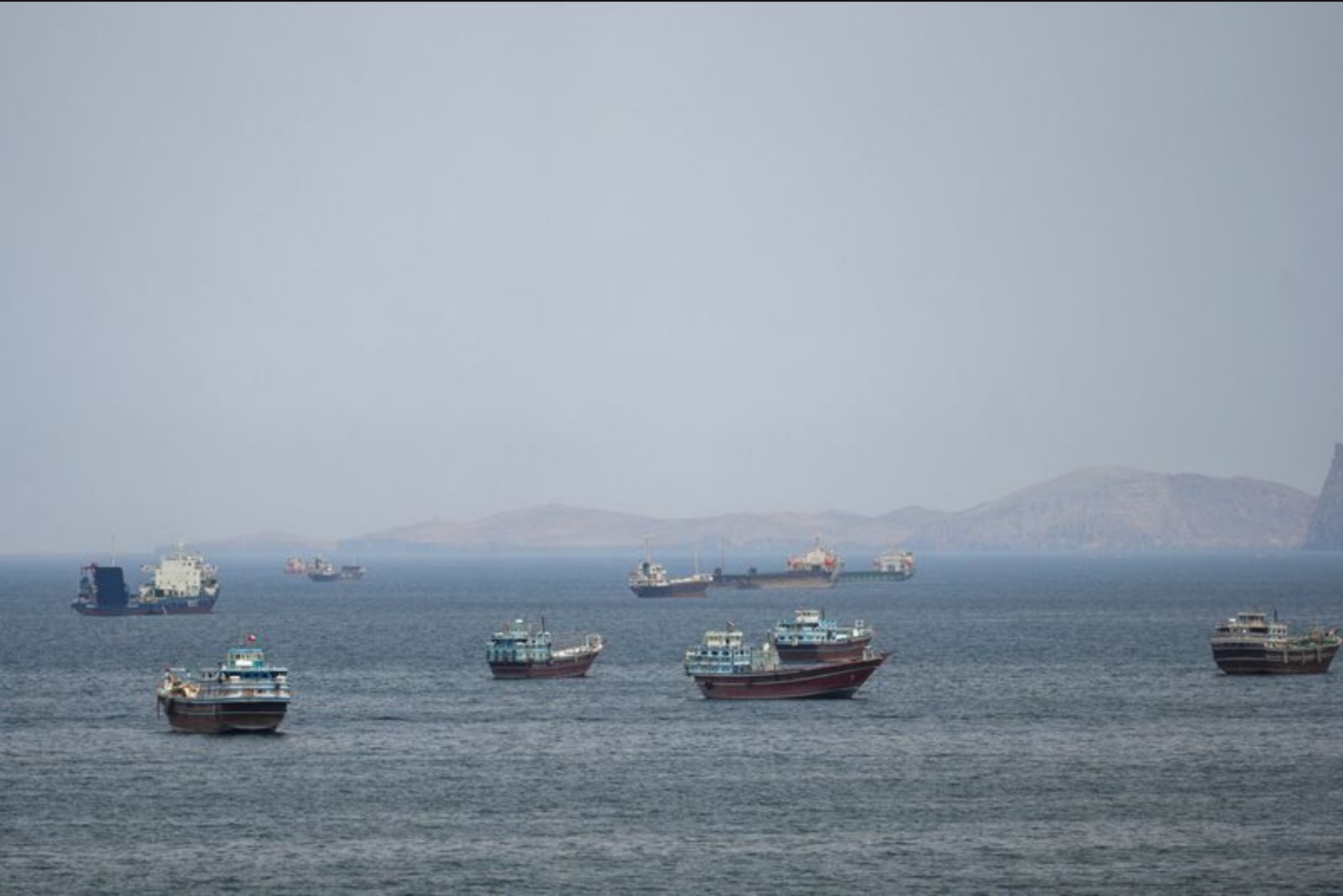
LONDON, April 24 - Shipping through the Strait of Hormuz slowed to just five vessels in the most recent 24-hour period, Friday shipping data showed, as tensions linked to recent seizures and a U.S. naval blockade continue to limit marine movement through the strategically vital waterway.
Among the handful of ships that passed through the strait was the Iranian-flagged oil products tanker Niki, a vessel that is subject to U.S. sanctions. Analysis from Kpler and tracking information on the MarineTraffic platform indicated the Niki sailed out of the strait with no destination listed. Reports did not clarify what would happen should it continue eastward toward the line where the U.S. Navy has imposed a blockade.
The extremely low level of traffic represents a dramatic departure from normal activity in the channel at the mouth of the Gulf. The current flow is a small portion of the roughly 140 daily passages recorded before the Iran war began on February 28, underscoring how constrained shipping has become even during a tense ceasefire between Washington and Tehran.
"For most shipping companies, they will need a stable ceasefire and assurances from both sides of the conflict that the Strait of Hormuz is safe to transit," said Jakob Larsen, chief safety and security officer at shipping association BIMCO. He added that, in the interim, vessels are being forced to use routes close to Iran and Oman that, because of their confined nature, cannot safely accommodate the usual volumes of traffic through the strait.
Concerns about safety have been heightened after Iran used a swarm of small, fast boats to seize two container ships near the strait on Wednesday. The seizures prompted warnings from industry analysts about the risks for seafarers, ships, and cargo.
"The latest seizures make clear, even an 'open' Strait of Hormuz is not a safe Strait of Hormuz for seafarers, ships and cargo," Peter Sand, chief analyst with ocean and air freight intelligence platform Xeneta, said in a note.
Container shipping group Hapag-Lloyd confirmed on Friday that one of its ships crossed the strait but offered no details on timing or the circumstances of the transit.
One sign of limited cargo movement into Iraq was the arrival on Friday of the Comoros-flagged supertanker Helga at an offshore oil loading terminal in Iraq’s southern Basra port. The Helga was the second vessel to reach Iraq since the strait effectively closed.
Data from Lloyd’s List Intelligence showed that between April 22 and early April 23 seven vessels transited the strait, six of which were involved in Iran-related trade. That pattern of restricted, Iran-linked movement has persisted as commercial operators and insurers weigh the risks of sending ships through the region.
The closure of the strait has had wide-ranging energy implications. Reporting indicates it has disrupted roughly a fifth of the world’s oil and liquefied natural gas supplies and has contributed to what has been described as a global energy crisis. The disruption has left hundreds of ships and about 20,000 seafarers stranded inside the Gulf.
War risk insurers and oil companies remain alert to any signs of reduced risk, which would allow them to prepare vessels to resume travel through the strait. Nearly two months after U.S. and Israeli strikes on Iran, reporting shows little sign that formal peace talks are resuming, leaving the future course of shipping in the region uncertain.
Key developments:
- Only five ships transited the Strait of Hormuz in the latest 24-hour period, including the sanctioned Iranian-flagged tanker Niki.
- Industry sources cite seizures of two container ships by Iran and a continuing U.S. blockade of Iranian ports as the immediate causes of restricted traffic.
- The strait’s limited operations have disrupted about a fifth of global oil and LNG supplies and left hundreds of ships and roughly 20,000 seafarers stranded in the Gulf.