
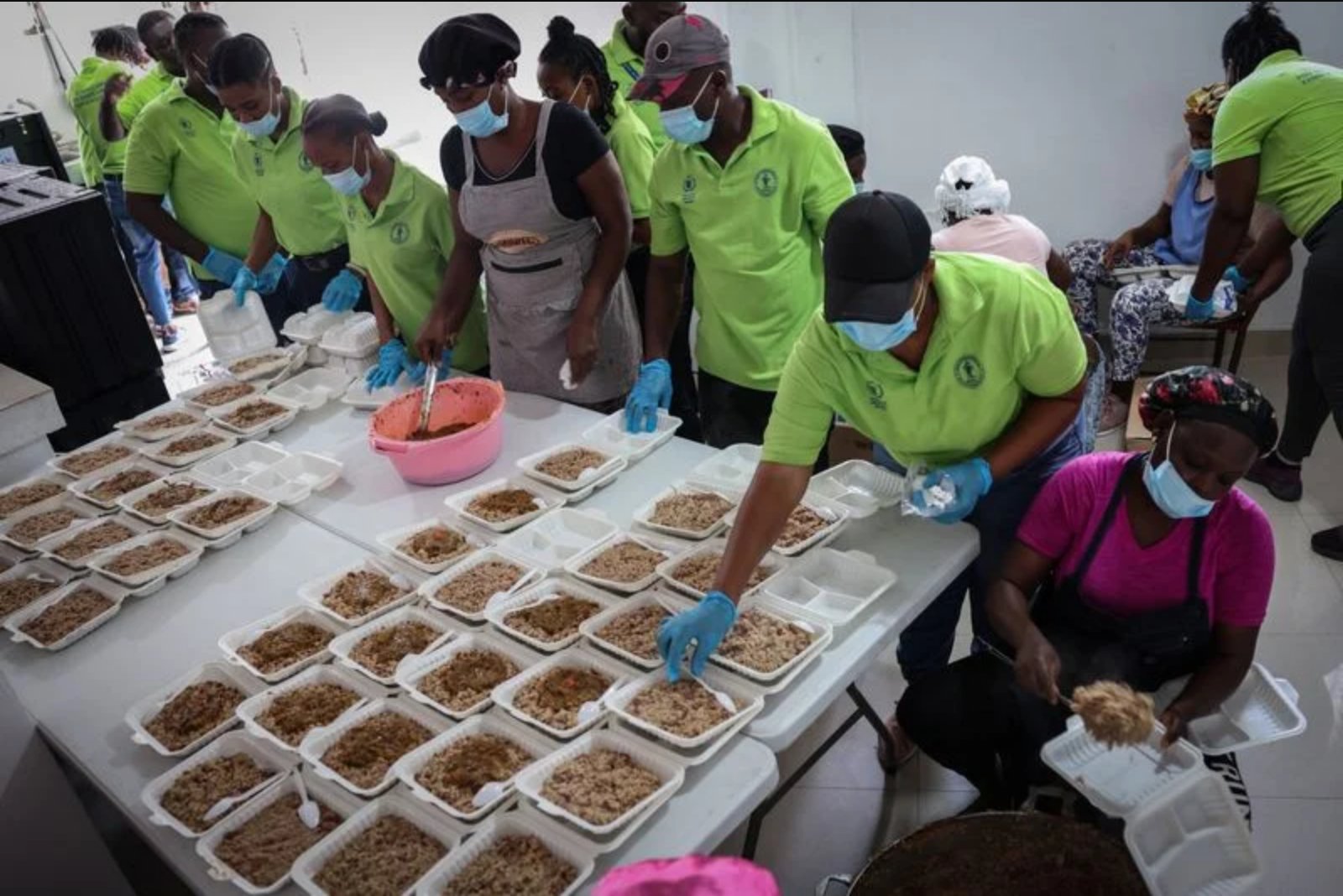
Rome, June 17 - The United Nations World Food Programme (WFP) said on Wednesday it has received an $800 million contribution from the United States, a move the agency said will help scale up relief efforts and allow for rapid responses to new crises during a period of record global hunger.
The WFP said the funding follows cuts to U.S. aid under President Donald Trump’s administration. While the United States remains the WFP’s largest donor, the agency noted U.S. contributions more than halved from 2024 to roughly $2 billion in 2025.
Officials at the WFP indicated the $800 million will be used to pre-position food supplies, broaden cash assistance programs and keep supply chains functioning in areas suffering acute crises. The agency specifically highlighted operations in Lebanon, Haiti and the Democratic Republic of Congo as places where sustained logistics and funding are critical to delivering aid.
The WFP framed the contribution as timely given that global hunger has reached record levels and that the number of people confronting acute hunger is expected to rise this year.
More broadly, the United States has historically been the world’s largest humanitarian donor, but U.S. contributions have fluctuated markedly in recent years amid changing foreign aid priorities. The WFP pointed to a wider decline in U.S. funding to the United Nations in 2025, when U.S. humanitarian assistance to the UN fell to about $3.38 billion from $14.1 billion a year earlier after substantial spending cuts.
Separately, the U.S. State Department announced $218 million in assistance to the U.N. children’s agency UNICEF on Tuesday.
The WFP is currently operating under interim leadership while the United States seeks to nominate another American to head the agency, following the resignation of Cindy McCain on health grounds.
Key context and implications
- The new U.S. contribution is intended to increase readiness and flexibility for emergency food responses.
- Maintaining supply chains and cash assistance is central to delivering aid in Lebanon, Haiti and the Democratic Republic of Congo.
- Shifts in U.S. humanitarian funding levels have materially affected UN aid receipts between 2024 and 2025.