
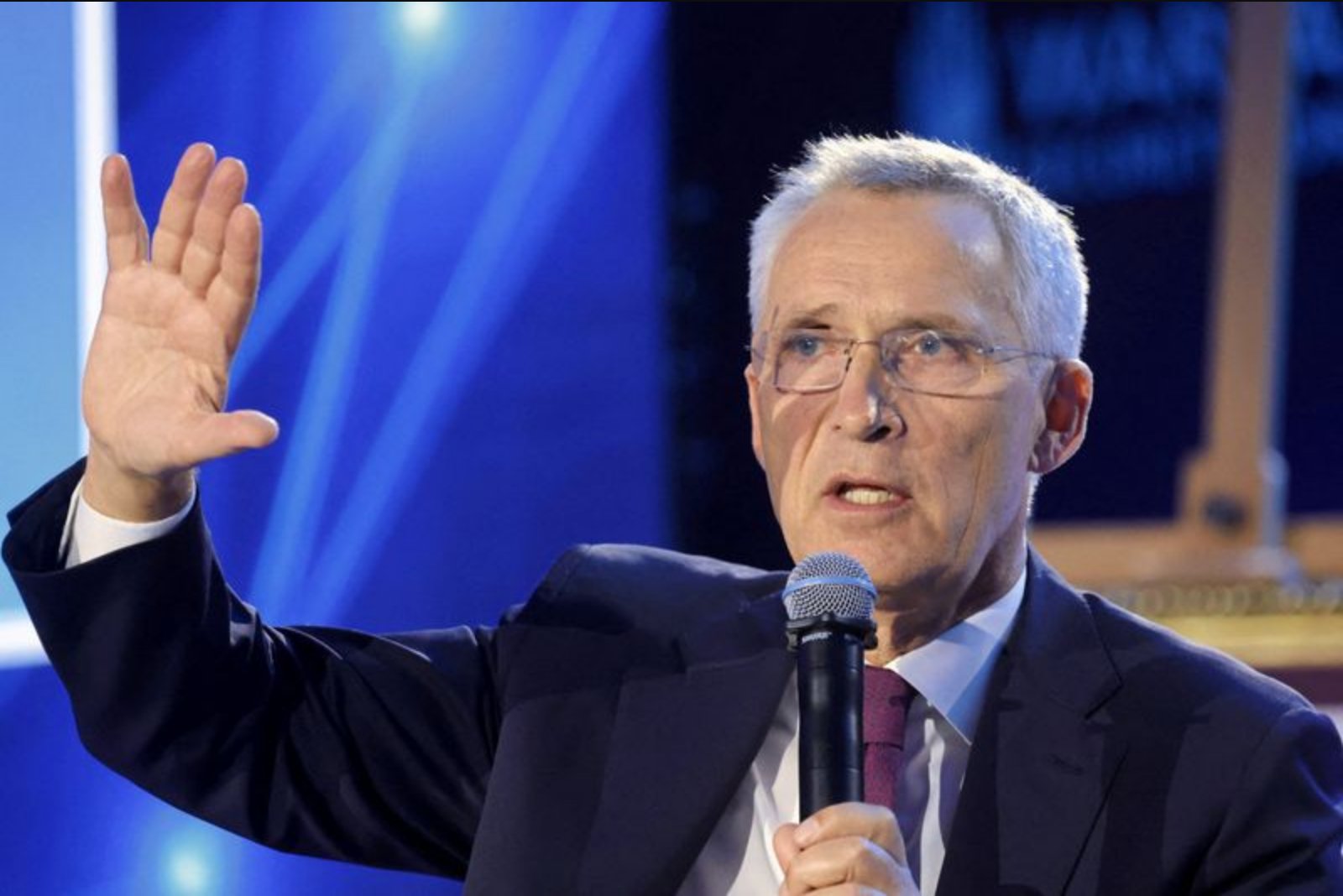
Norway’s sovereign wealth fund, valued at $2.1 trillion and the largest of its kind globally, will not seek to reduce its holdings in U.S. assets, Finance Minister Jens Stoltenberg said on Wednesday.
Asked whether the fund should cut back on U.S. exposure in light of geopolitical and fiscal concerns, Stoltenberg told the Financial Times: "There have been some questions (about) 'should we reduce?' That’s a political decision." He added that he does not foresee any big changes to the fund’s allocation.
Earlier the same day at a Semafor event in Washington, Stoltenberg reiterated the fund’s U.S. strategy, saying it intends to remain a major investor in American companies and to keep roughly half of its investments there "because the American stock market is so dynamic and reflects the strength of the U.S. economy."
Stoltenberg’s remarks come amid a conflict in the Middle East that has involved the United States, Israel and Iran, a development the finance minister acknowledged has unsettled markets. The situation has, according to the comments, disrupted economies across the globe, driven oil prices higher and increased uncertainty in financial markets.
Last year the fund became a point of contention with U.S. officials after it sold its stake in Caterpillar, the U.S. construction equipment group, following the company’s provision of bulldozers to Israel for use in Gaza and the West Bank. At that time Stoltenberg emphasised that the fund did not want to "politicise" individual investment decisions and noted that U.S. authorities are familiar with the fund’s ethical guidelines.
The finance minister’s statements make clear that, despite external pressures from geopolitical tensions and debate over U.S. fiscal trajectories, the fund plans to maintain its sizeable position in the U.S. market, valuing the market’s dynamism and its reflection of underlying economic strength.
Summary
Norway’s $2.1 trillion sovereign wealth fund will not reduce its U.S. holdings, according to Finance Minister Jens Stoltenberg, who said the fund plans to retain roughly half of its investments in the United States because of the American market’s dynamism. His comments coincide with market volatility linked to the ongoing Middle East conflict and concerns about U.S. debt.
Key points
- The fund is valued at $2.1 trillion and is the world’s largest sovereign wealth fund.
- Stoltenberg said the fund intends to keep about half of its investments in the United States, citing the dynamism of the American stock market - sectors most directly affected include equities and industrials.
- Geopolitical tensions have disrupted economies and lifted oil prices, creating broader market uncertainty - energy and global markets are impacted.
Risks and uncertainties
- Ongoing conflict in the Middle East has disrupted global economic activity and increased market volatility - this primarily affects energy and equity markets.
- Surging oil prices amid the conflict pose risks to economic stability and market sentiment - energy sector exposure is particularly sensitive.
- Political scrutiny of specific investment decisions, exemplified by the past sale of Caterpillar shares over equipment supplied to Israel, may create diplomatic and market tensions affecting industrials and multinational holdings.