
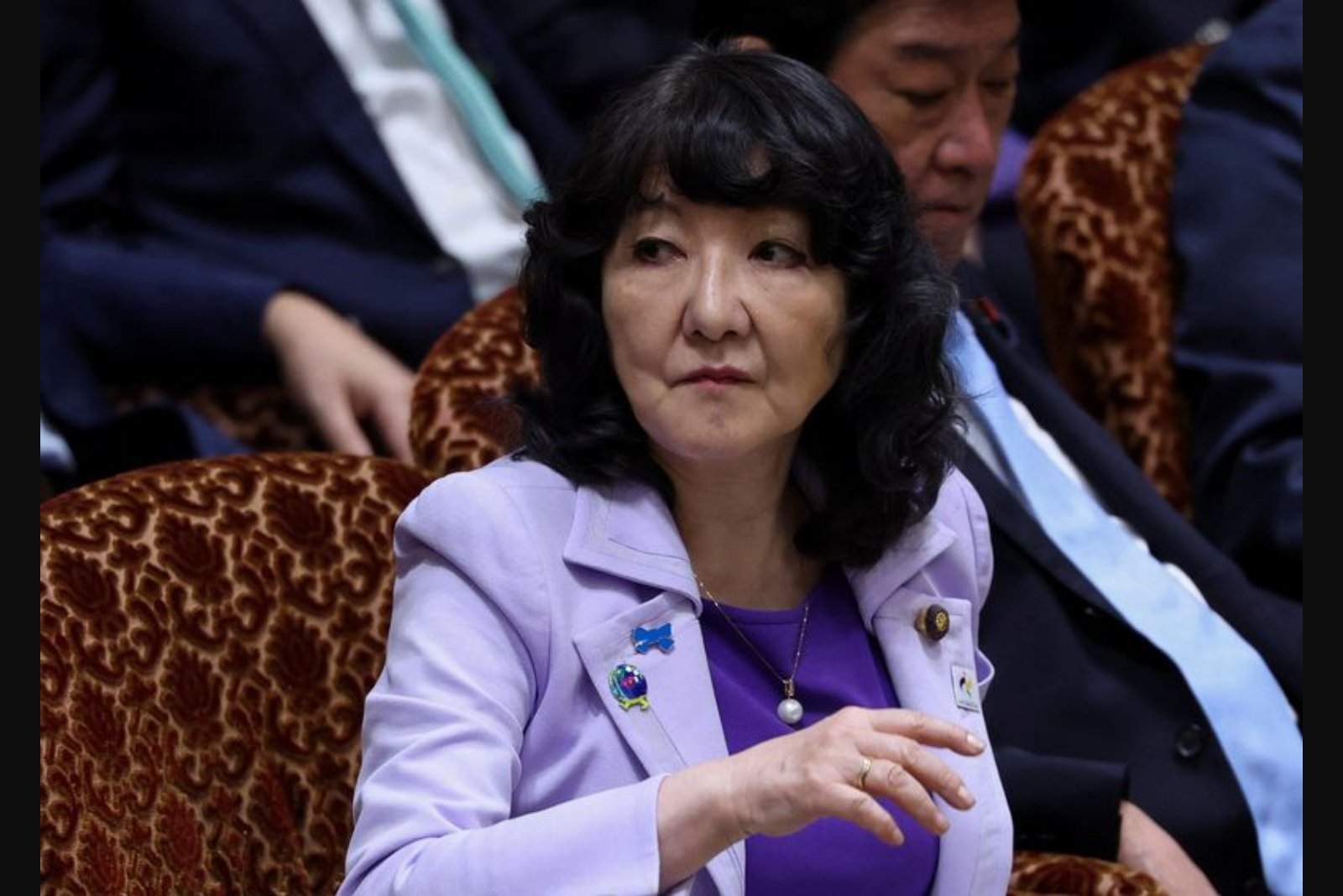
Japanese Finance Minister Satsuki Katayama said on her X account that Japan and the United States have agreed to deepen communication on exchange-rate developments following a Wednesday meeting with U.S. Treasury Secretary Scott Bessent in Washington.
Katayama is in the U.S. to participate in International Monetary Fund sessions and to join gatherings of G7 and G20 finance leaders. The minister's post followed talks with Bessent and reiterated Tokyo's focus on currency moves amid recent pressure on the yen.
Policymakers in Tokyo have issued repeated verbal warnings in response to a weakening yen. Officials say the currency's decline pushes up the cost of imports and adds to already rising inflationary pressures. Because Japan imports most of its energy, a softer yen can magnify the effect of rising oil prices on the domestic economy.
The yen has been trading near the 160-per-dollar mark - a level that in the past prompted Japanese authorities to buy yen in the spot market to support the currency. Recent safe-haven demand for the U.S. dollar, linked in commentary to the war in the Middle East, has contributed to the yen's proximity to that threshold.
Katayama and Bessent previously met in January. On that occasion, Tokyo's verbal warnings after the talks helped lift the yen as markets considered the possibility of intervention. The most recent meeting and the stated agreement to intensify FX communication signal that both sides are monitoring exchange-rate developments closely.
Context and implications
- Tokyo's continued public caution on the yen underscores concern about import-driven inflationary effects.
- Energy import dependence means fluctuations in the yen can amplify shifts in domestic costs when oil prices rise.
- The yen's closeness to intervention-trigger levels keeps the potential for official market action on the table.