
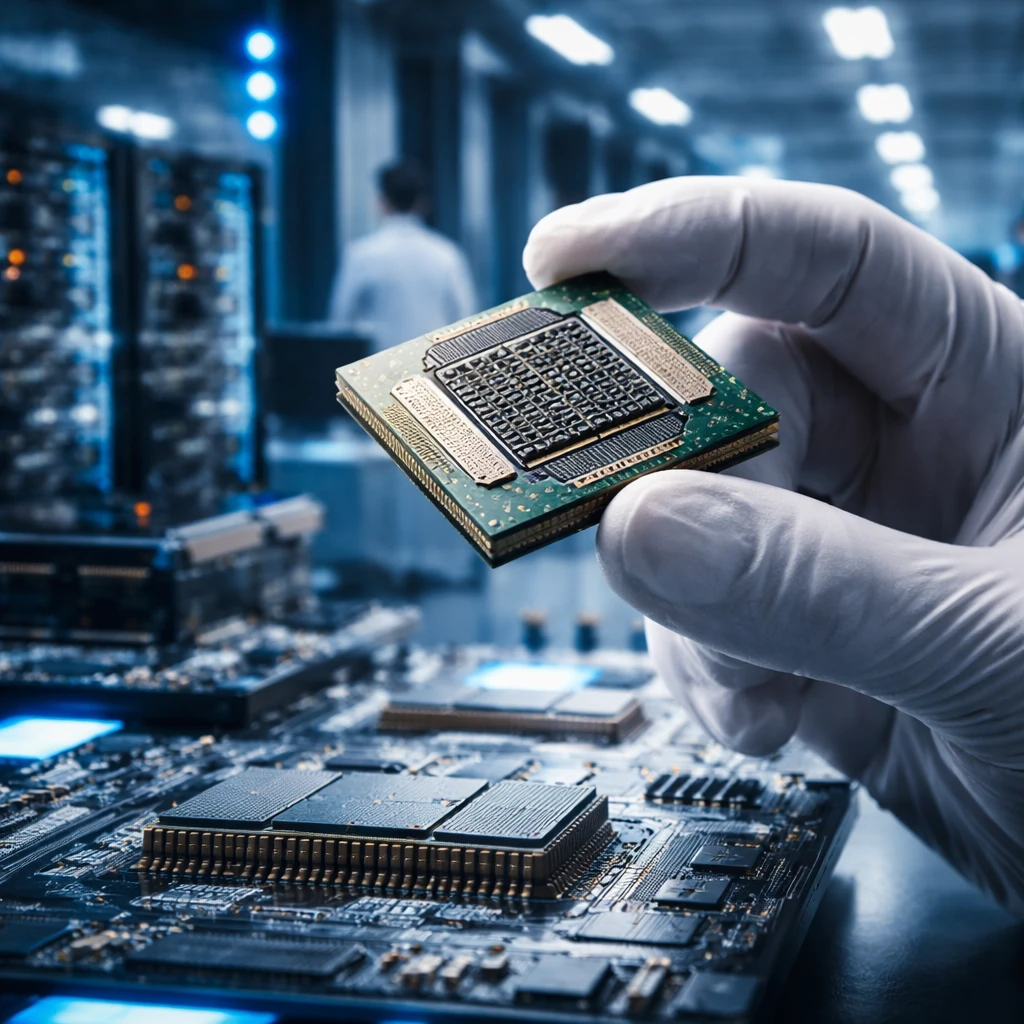
Samsung Electronics is speeding up development of its next-generation high-bandwidth memory, HBM4E, with the stated aim of producing a sample that conforms to NVIDIA's standards and delivering it as soon as next month, South Korean publication ChosunBiz reported, citing industry sources.
The company was the first among major memory makers to start mass production of HBM4 and is now working to preserve that leadership into the HBM4E cycle. Samsung publicly displayed a physical HBM4E sample in March at NVIDIA's annual developer conference, though the ChosunBiz account said that the unit shown was intended for demonstration rather than as a production-grade sample.
HBM is a critical component in advanced artificial intelligence processors. Samsung has reaped substantial benefits from the surge in demand for memory driven by the AI sector, and it remains a principal supplier to NVIDIA. In the earlier HBM4 generation, Samsung largely moved ahead of SK Hynix and Micron Technology in bringing product to market, but both competitors have been visibly closing the gap in recent months.
Memory chip manufacturers have seen marked gains tied to rising chip prices and heightened AI-related demand, which also contributed to supply tightness across the sector. Samsung's effort to produce an NVIDIA-standard HBM4E sample on an accelerated timetable is an attempt to translate its earlier first-mover advantage into the next generation of high-bandwidth memory.
Context and market implications
The accelerated development timeline, if realized, would help Samsung maintain its standing with major AI processor customers that require advanced memory modules compatible with their platforms. At the same time, industry observers note that SK Hynix and Micron have been progressing rapidly in the HBM space, narrowing the gap established in the prior generation.
What remains unclear - The reporting indicates Samsung aims to produce a sample by next month, but it does not describe the broader rollout schedule, production volumes, or timing for mass production of HBM4E. The March display was characterized as demonstrative, leaving questions about when customer-ready units will be available.