
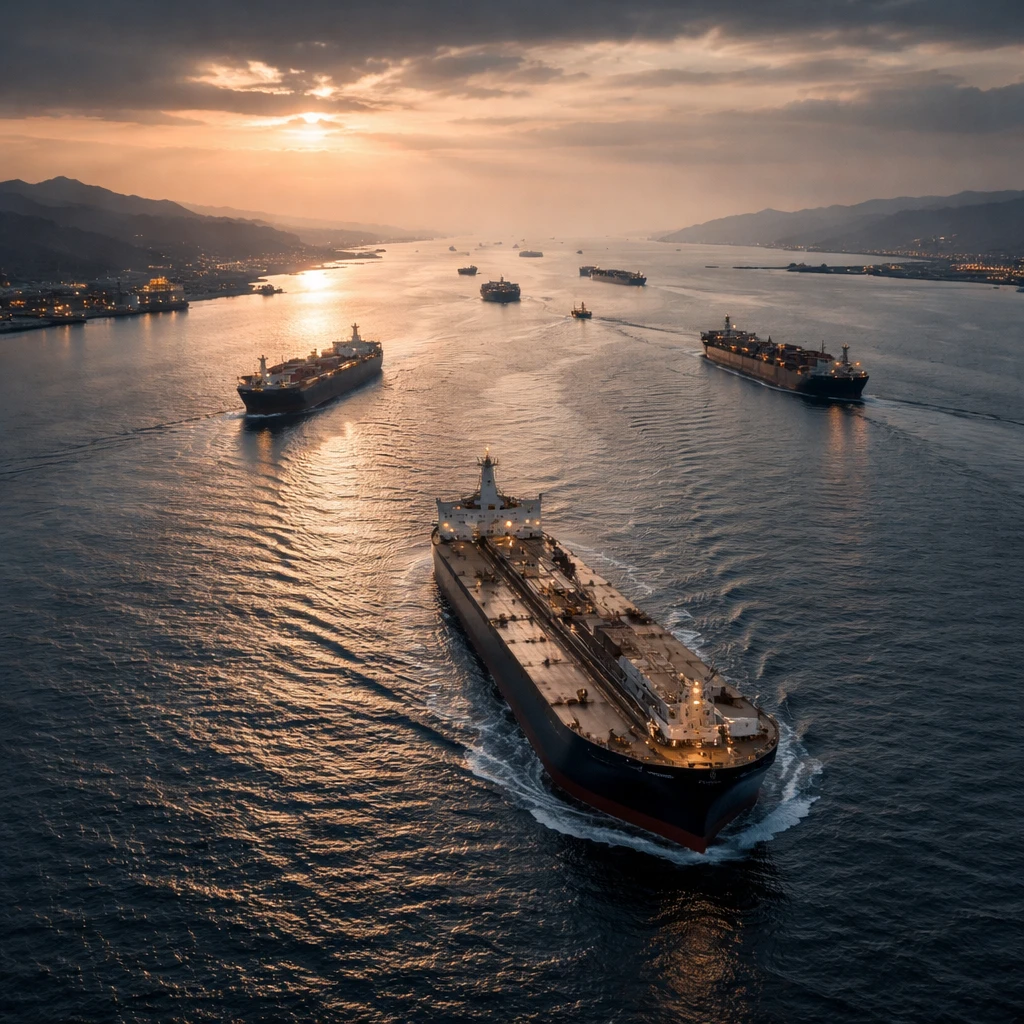
Global financial markets and world leaders are navigating an uneven blend of guarded optimism and confusion after President Donald Trump said the United States had won a breakthrough in negotiations with Iran, including an agreement that would allow the Strait of Hormuz to reopen fully and require Iran to surrender its stockpile of enriched uranium.
The initial headlines on Friday lifted hopes for a lasting de-escalation of the tensions that began in late February. Yet the early upbeat tone rapidly encountered pushback from Iranian-aligned voices and conflicting accounts from officials, creating a fractious information environment.
Contradictory public statements
Within hours of the U.S. announcement Iran pushed back on key elements. Lawmaker Mahmoud Nabavian publicly rejected the assertion that the strait was now "fully open," asserting that Iran would continue to impose tolls on commercial shipping. State-aligned media echoed that stance, complicating the claim of an unequivocal reopening.
The financial contours of any prospective deal also became contested. Officials familiar with the discussions were reported to have said the U.S. had offered access to $20 billion in frozen Iranian funds in return for uranium concessions, but President Trump later denied that proposal during a televised interview.
Observers described the episode as a sequence of signaling and counter-signaling that has unfolded alongside a fragile 10-day ceasefire between Israel and Lebanon. The broader U.S.-Iran truce is due to expire later this month, underscoring the narrow window for negotiators to convert apparent progress into binding commitments.
Diplomatic preparations and personnel
Despite the murk around specifics, preparations for formal negotiations reportedly are moving forward. Senior administration officials indicated talks, to be mediated by Pakistan, could resume as early as Monday. The anticipated U.S. delegation is expected to be led by Vice President JD Vance, with Steve Witkoff and Jared Kushner named as accompanying members.
European leaders urged caution. French President Emmanuel Macron and British Prime Minister Keir Starmer both emphasized that any breakthrough must translate into workable and lasting arrangements before markets can safely price a peace premium.
Core sticking point - control of the Strait of Hormuz
A central unresolved issue remains who will permanently administer the Strait of Hormuz, a chokepoint that accounts for roughly one fifth of global crude oil shipments. The prospect of Iran assuming a role in managing the passage has unsettled Gulf energy producers as well as major oil consumers across Asia and Europe.
President Trump has said the U.S. military blockade of Iranian ports will not be lifted until a final agreement is signed, telling reporters on Friday that while differences remain, "we'll have to straighten it out."
The conflicting accounts, the tight timeline on the existing truce, and the high strategic and economic significance of Hormuz leave markets and policymakers assessing whether recent statements represent the first steps toward a durable deal or a tactical maneuver intended to pressure Tehran into concession.