
The World Bank on Friday rolled out a tailored strategy aimed at strengthening the capacity of small island states and other small countries to manage the economic vulnerabilities that stem from remoteness, high exposure to shocks and limited economic diversification. Central to the initiative is a firm emphasis on generating employment through private-sector development and targeted public investments.
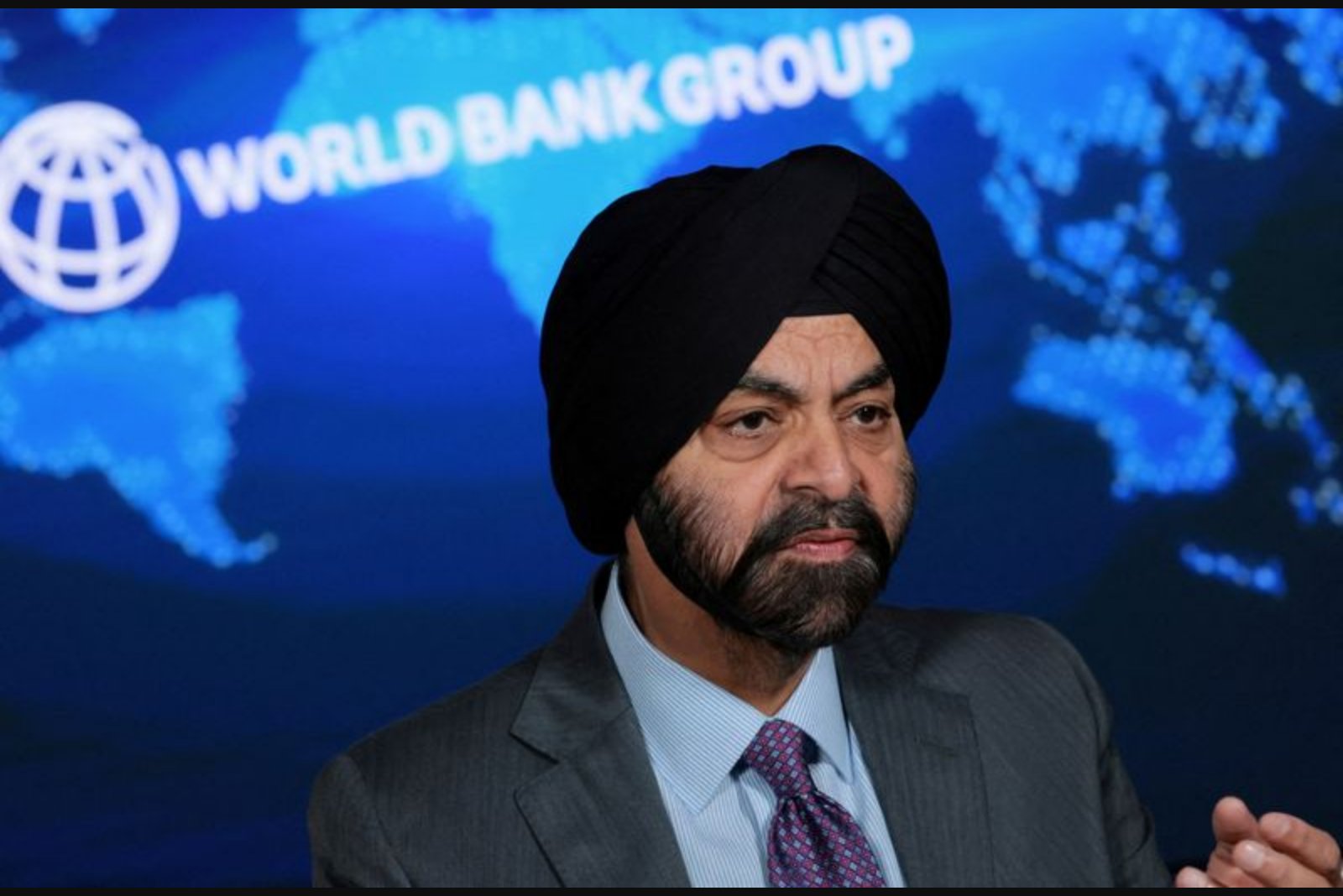
World Bank President Ajay Banga presented the concept in a closed-door session with finance ministers and central bank governors from 50 small countries convened during the spring meetings of the International Monetary Fund and World Bank. The initiative is designed to deploy differentiated instruments that help these countries draw private investment, implement policy and regulatory reforms to reduce barriers for businesses, and ultimately expand job opportunities.
Officials said the strategy will concentrate activity in a handful of priority areas where they see the largest potential to spur growth and employment - health systems, affordable energy, resilient infrastructure, and support for micro- and small enterprises. These sectors are viewed as levers to strengthen local firms and create more and better jobs across diverse small-state economies.
In releasing the plan, Bank staff highlighted the disproportionate impact that shocks can have on smaller economies. A single extreme weather event, a sudden jump in imported fuel costs, or a sharp downturn in tourism can erase months of investment and income for small businesses in a matter of days, the Bank said in an accompanying blog outlining the strategy.
The World Bank Group's recent track record in these countries is notable: last year it approved a record $3.3 billion in new commitments and guarantees aimed at addressing small-state needs. Banga stressed that the Group will adopt a differentiated approach to project selection and regional engagement, reflecting the heterogeneity of small states and the distinct economics of operating in them.
One practical consideration the Bank flagged is cost. Working in small states can be materially more expensive - up to four times the cost of comparable work in larger countries - which has influenced the decision to streamline service delivery, deploy more flexible financing instruments, and scale solutions so each dollar achieves greater impact.
Partnerships with other multilateral development institutions are a central component of the approach. The Bank is already implementing projects under collaborative arrangements. In Tonga, for example, it will co-finance an urban resilience project alongside the Asian Development Bank under a mutual reliance framework - the first agreement of its kind between multilateral development banks. Additional similar pacts are planned, including an arrangement with the Inter-American Development Bank to extend the model into the Caribbean.
The Bank is also expanding the toolkit it offers countries. That includes deeper diagnostics to identify constraints to private-sector-led hiring. Detailed studies examining barriers to private-sector employment are underway for Barbados, Guinea-Bissau, Lesotho, Mauritius, Samoa, and Seychelles, according to Bank materials.
Leveraging development finance to unlock private investment plays into the Bank's job-led strategy. The International Finance Corp, the Bank Group's investment arm, backed Botswana's first utility-scale solar installation, while the World Bank worked on a parallel battery storage project to facilitate integrating solar into the grid. The Bank highlighted that effort as an example of how public and private financing can combine to produce not only infrastructure but also a replicable model for channeling private capital into markets and supporting job creation.
Bank officials said the new small-states strategy will aim to tailor solutions to local circumstances, reduce transactional costs, and harness partnerships to extend the reach of scarce public funds. The initiative is structured to be flexible and regionally sensitive - recognizing that small states are diverse and that policy and project choices must reflect that diversity.
Key points
- The strategy prioritizes jobs by focusing on health, affordable energy, resilient infrastructure, and micro- and small businesses - sectors linked to growth and employment generation.
- The World Bank will use a differentiated, regionally tailored approach, streamline delivery, and employ more flexible financing to address the higher cost of working in small states.
- Partnerships and diagnostics are central: co-financing frameworks with other multilateral development banks and deeper studies on constraints to private-sector hiring are already in progress.
Risks and uncertainties
- High vulnerability to shocks - such as hurricanes, spikes in imported fuel prices, or tourism downturns - can quickly reverse gains and undermine small-business income and investment, posing a risk to job-creation efforts; this affects tourism, retail and small enterprise sectors.
- Operating costs in small states can be up to four times higher than in larger countries, which could limit the scale and pace of implementation unless delivery is successfully streamlined and financing is made more flexible; this impacts infrastructure and public-sector project delivery.