
April 17 - A nonprofit whistleblower organization filed a federal lawsuit in the District of Columbia on Friday accusing the U.S. Department of Agriculture of improperly withholding documents related to potential contamination of the food supply by toxic chemicals following a train derailment in Ohio in 2023.
The Government Accountability Project, which brought the suit, also released a report asserting that records it obtained via a Freedom of Information Act request were heavily redacted and that some documents were not produced at all. The group says the documents that were provided show USDA officials privately recognized credible contamination pathways from the incident in East Palestine - a village near the Ohio-Pennsylvania border - but did not follow through with comprehensive testing or full disclosure to residents.
According to the group's statement, the Environmental Protection Agency did not perform targeted testing for dioxins - a toxic chemical compound - in locally grown garden produce, livestock meat, eggs or wild game. The Government Accountability Project alleges that this lack of testing occurred despite internal USDA records indicating concern that dioxins could reach agricultural land and the food chain.
A USDA spokesperson declined to comment on the matter, citing pending litigation.
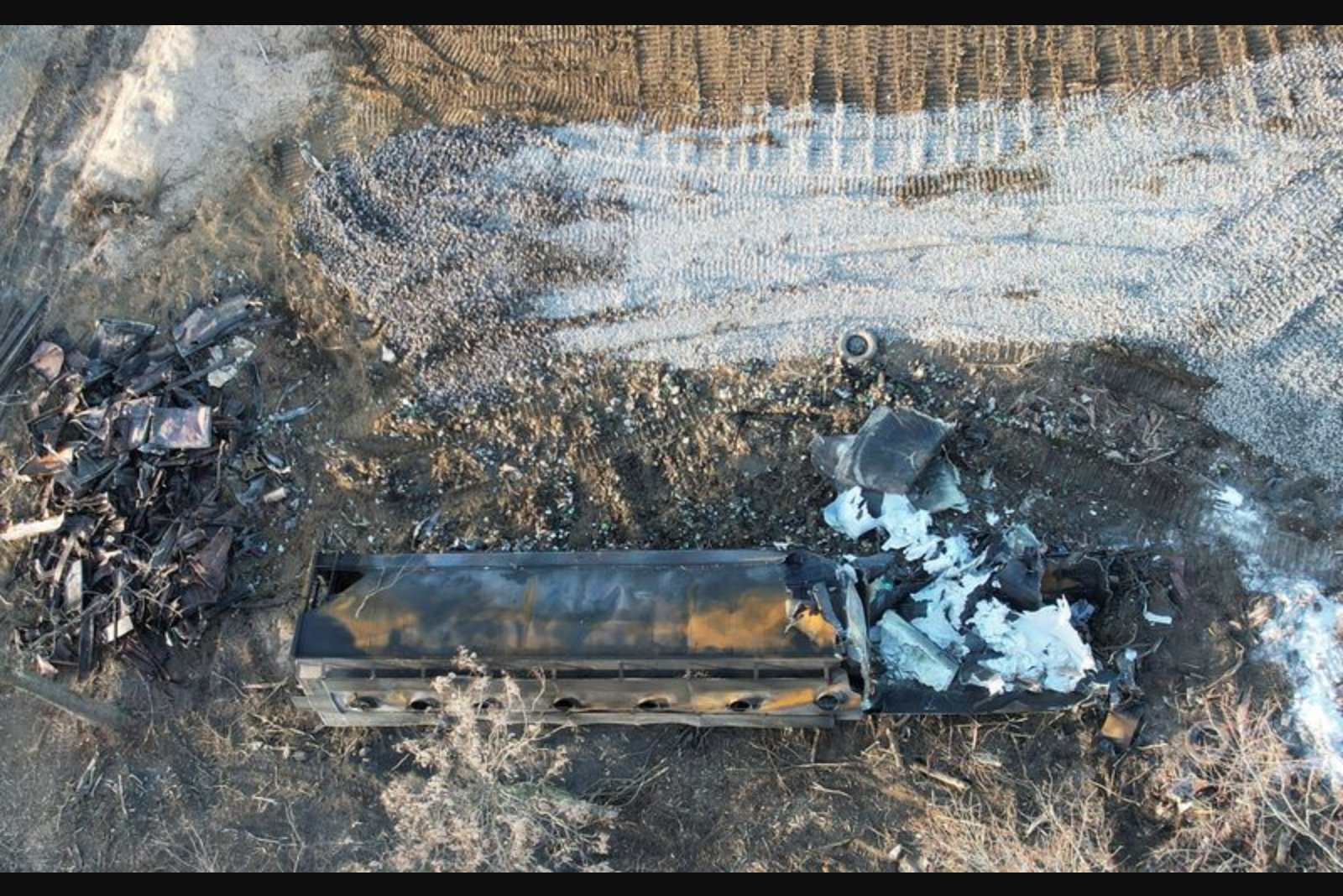
The underlying incident began on February 3, 2023, when a Norfolk Southern Railway train traveling from Illinois to Pennsylvania derailed, igniting a large fire and prompting the evacuation of hundreds of nearby homes. In the aftermath, railroad crews drained and burned chemical cargo from five rail cars.
At the time, the EPA reported that tests of drinking water and indoor air in homes near the derailment found no contamination. Nonetheless, independent experts raised concerns that dioxins - which can be produced by controlled burns of certain chemicals - might have contaminated agricultural land in the surrounding region.
Lesley Pacey, senior environmental advisor at the Government Accountability Project, told reporters that while some materials were turned over by the USDA, those records were heavily redacted and that additional documents were withheld. The lawsuit requests release of the withheld records and seeks to make the redacted content public.
Pacey said the produced materials demonstrate internal recognition within the agency that contamination pathways were "very realistic and concerning," yet the USDA did not pursue widespread testing nor effectively communicate potential risks to local residents, according to the group's claims.
The litigation and the report highlight ongoing disagreements between watchdogs and federal agencies over the adequacy of post-incident testing and disclosure related to environmental and food safety risks.