
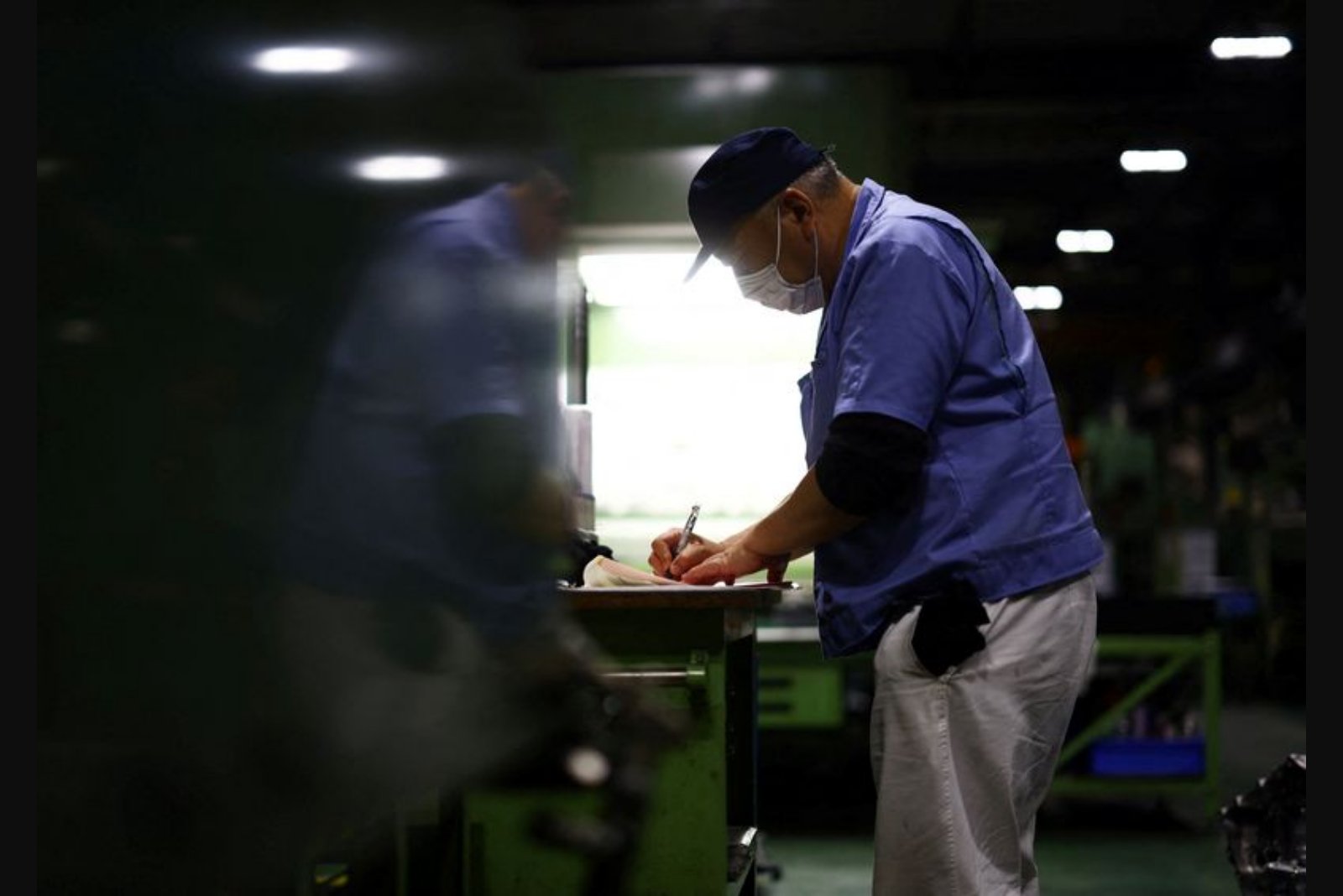
TOKYO, April 23 - Japan's factory activity picked up markedly in April, with manufacturers increasing production at the fastest rate in four years, according to the S&P Global flash PMI readings released on Thursday. The jump was linked in part to concerns that escalating tensions in the Middle East could lead to future supply shortages, prompting firms to bolster output pre-emptively.
The S&P Global flash Japan Manufacturing Purchasing Managers' Index rose to 54.9 in April, up from 51.6 in March. The 50-mark separates expansion from contraction, and the April reading is the highest since January 2022.
A key sub-index measuring factory output recorded its strongest increase since February 2014. The survey attributed this surge to apprehensions among manufacturers about potential supply constraints as geopolitical tensions in the Middle East intensified.
Annabel Fiddes, economics associate director at S&P Global Market Intelligence, said: "There were reports that some manufacturing firms boosted output due to concerns and uncertainty surrounding the war in the Middle East and the potential for further supply chain disruptions."
While manufacturing accelerated, the service sector showed signs of cooling. The flash Japan services PMI fell to 51.2 in April, down from 53.4 in March, marking the slowest increase in activity for services in 11 months.
Price pressures across Japan's private sector intensified. Input costs rose at the sharpest pace since January 2023, while average output charges climbed at the quickest rate since composite data began to be collected in late 2007. These readings indicate firms are facing higher costs and are, on average, passing some of those costs through to selling prices.
Business sentiment also weakened. Confidence among firms fell for a second consecutive month, dropping to its lowest level since August 2020 during the COVID-19 pandemic, according to the flash PMI series.
Combining manufacturing and services, the flash Japan composite PMI slipped to 52.4 in April from 53.0 in March. The composite decline reflected the slower pace of services activity offsetting the stronger manufacturing performance.
Context and implications
The April readings show a two-speed private sector: manufacturing expanding strongly, partly due to precautionary production increases amid geopolitical uncertainty, while services growth has moderated. The data also signal rising price pressures and a dip in business confidence that could influence firms' near-term investment and hiring decisions.