
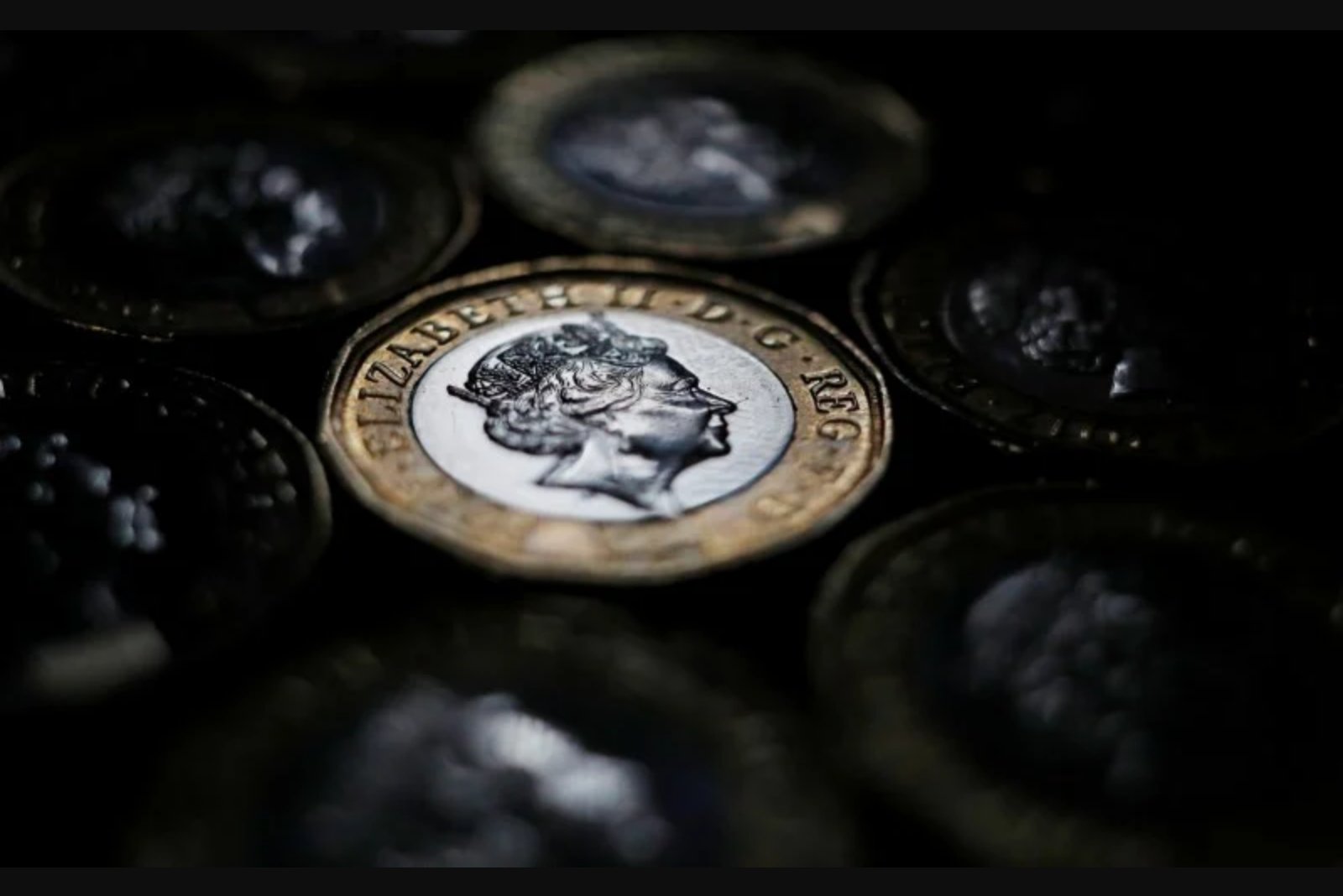
Sterling traded lower on Wednesday as market participants moved to price in what is seen as a near-certain rate increase from the Federal Reserve and the United Kingdom reported a rise in headline consumer prices for August.
By 04:23 ET (08:23 GMT) GBP/USD had declined 0.036% to 1.3474, while EUR/USD was trading up 0.07% at 1.1549. The dollar drew wide support ahead of the Fed decision, reflecting investor expectations that U.S. policy will tighten further.
Francesco Pesole, an FX strategist at ING, said that “a dovish hike may not be enough to convey the monetary policy discipline bond investors currently demand, particularly given the amount of tightening already priced into swaps.” He added that any sign of openness to additional tightening could underpin the dollar by reinforcing policy credibility and reducing any premium investors might attach to a so-called debasement trade. Pesole also noted that elevated oil prices and weaker sentiment in technology stocks had made investors reluctant to establish fresh dollar short positions.
Markets widely expect the Fed to raise its policy rate by 25 basis points to 4.0% later on Wednesday. Current market pricing stood at 23 basis points for the meeting, 52 basis points by the end of the year and 89 basis points by June. The reaction in markets is expected to hinge on the tone and details in the post-meeting press conference for Chair Kevin Warsh, which is viewed as a pivotal element for the dollar’s next move. ING observed that a new dot plot could show a median of 4.0% for both 2026 and 2027, which would be below prevailing market pricing and could be interpreted as dovish, although ING still anticipates hawkish rhetoric will predominate.
August retail sales data are due before the Fed announcement, but analysts expect the release to produce a muted market response given the dominance of the impending rate decision in investor attention.
In the United Kingdom, headline CPI rose to 3.1% in August from 2.9% in the prior month, a move driven in large part by a widely expected 7% monthly increase in fuel costs. Commenting on the figures, Smith said there was nothing in the data to suggest the Bank of England needs to adopt a more hawkish stance, pointing to relatively soft food inflation at 1.1% year-on-year and contained core services inflation of 3.4%.
ING projects headline CPI will increase toward 3.4% next month and sees a peak near 3.7% in early 2026, while still expecting the Bank of England to hold rates into 2027 unless energy prices produce a sustained spike pushing inflation above 4%.
The euro’s steadiness in recent trading was characterised by ING as more a reflection of a diverging dollar story than of specific eurozone strength. The bank set a near-term target for EUR/USD to test 1.150 possibly as soon as this week, a move that could be catalysed by the Fed’s announcement. Nonetheless, ING cautioned it was not ready to declare an imminent end to the euro’s decline given the prevailing energy market environment. Should EUR/USD fall below 1.150, ING believes technical and valuation risks would become more balanced.
ING also highlighted the prospect of EUR/GBP strengthening after UK inflation printed in line with expectations, suggesting the cross could move above 0.860 in the coming days as dovish Bank of England voices point to tame core inflation as justification against matching the hawkishness priced into markets.
ING’s baseline scenario assumes energy prices ease toward the end of the year, a dynamic that would support a EUR/USD floor and reduce hawkish pressure on the Bank of England. That view would be challenged, ING warned, by either a continued rise in Brent crude toward $110 per barrel or a hawkish surprise in Chair Kevin Warsh’s remarks on Wednesday.