
European and British wholesale natural gas prices pushed higher on Wednesday after a short pause in the prior session, reflecting persistent concerns about depleted seasonal inventories and recent commentary from European Central Bank policymakers that tied energy costs to upside inflation risks.
Price moves
The Dutch front-month TTF benchmark advanced 2.7% to trade around 82.00 euros per megawatt-hour (MWh), resuming its upward trend following a tactical slowdown on Tuesday. In Great Britain, the NBP wholesale gas contract rose 2.5% to about 203.00 pence per therm, moving further into multi-year peak territory.
Storage shortfalls tighten the supply picture
The rebound across European gas curves highlights growing physical supply anxieties as the injection season approaches its close. Underground storage across the European Union is roughly 68% full, about 16 percentage points below the five-year seasonal average, leaving the continent with thinner-than-normal buffers heading into autumn.
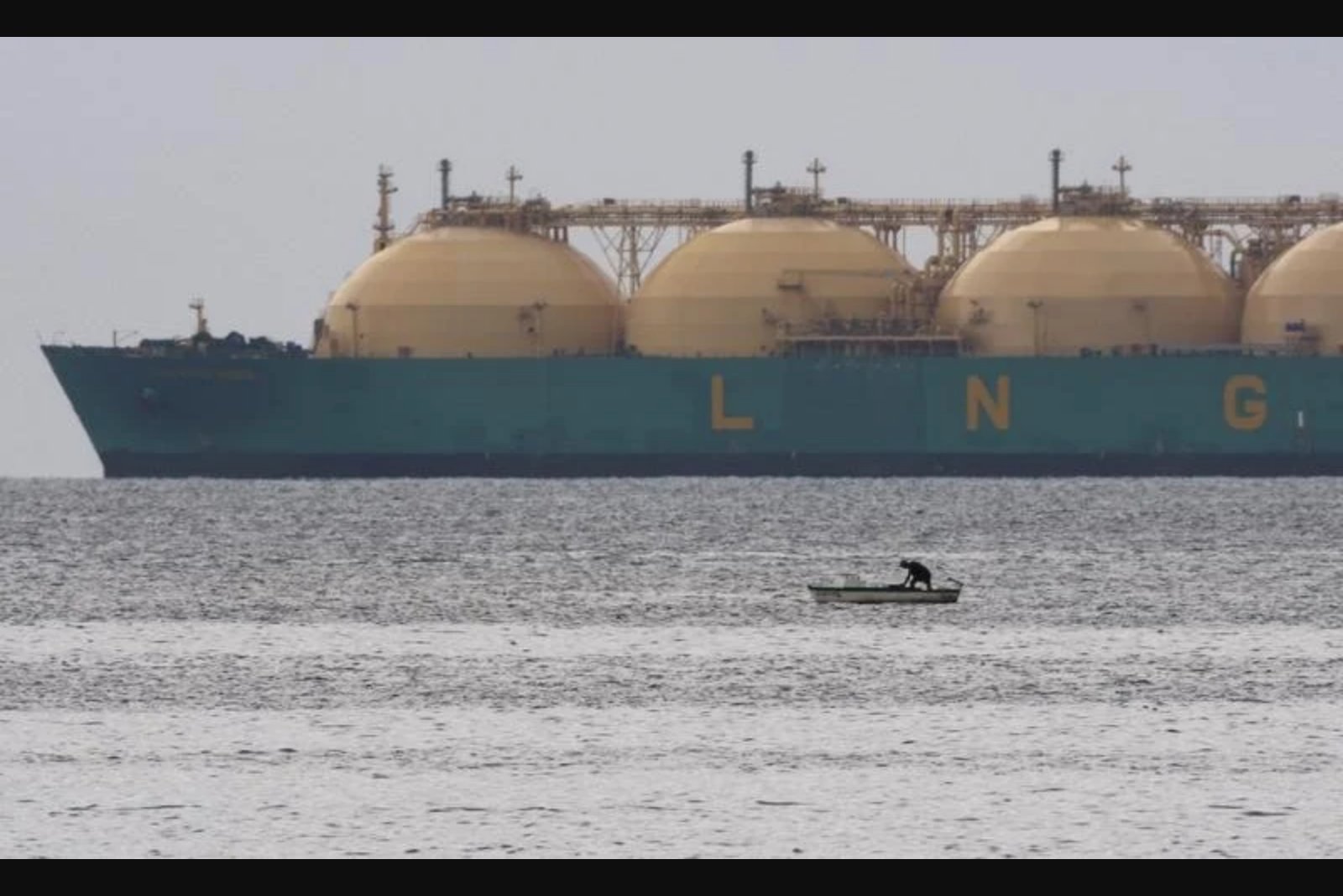
Market participants say utilities that were reluctant to secure long-term volumes earlier in the summer now face the prospect of refilling reserves amid near-record prices. That dynamic has been compounded by disruptions to Persian Gulf transit, which have severely restricted liquefied natural gas shipments via the Strait of Hormuz and tightened global LNG availability for Europe.
Central bank warnings and inflation dynamics
Policymakers in Frankfurt have flagged the recent gas price surge as a principal driver of euro zone inflation, raising alarms about the implications for the bank’s price stability mandate. Following the ECB’s decision last Thursday to raise its deposit facility rate by 25 basis points to 2.50%, Governing Council member Peter Kazimir warned that rising costs for natural gas and electricity - rather than crude oil - now pose the foremost risk to the regional price outlook.
Kazimir underscored that the acceleration in upside inflation risk stems from higher gas costs feeding through to household electricity bills and to agricultural inputs such as fertilizer. Eurozone headline CPI accelerated to 3.3% in August, with energy components up 14.3%, a development that ECB officials say warrants decisive action if energy shocks persist and push medium-term inflation further above the 2% target.
Market positioning and near-term drivers
The rally in wholesale natural gas coincides with broader market caution as fixed-income and commodity desks await the Federal Reserve’s rate decision later in the day. Money markets were pricing in an 86% to 92% probability of a Fed rate hike, and traders also expect further ECB tightening before year-end, factors that together support elevated risk premia in energy markets.
Analysts and traders expect wholesale gas prices to remain supported by substantial risk premia until global supply flows normalize and inventories are rebuilt, given the current combination of thin storage, constrained LNG shipments, and the prospect of more aggressive central bank policy if inflation remains elevated.
Key implications
- European gas markets are vulnerable to winter shocks due to lower-than-average storage levels.
- Rising gas and electricity costs are increasingly central to euro zone inflation dynamics and ECB policy considerations.
- Fixed-income and commodity markets are sensitive to near-term central bank decisions, which may sustain risk premia in energy prices.