
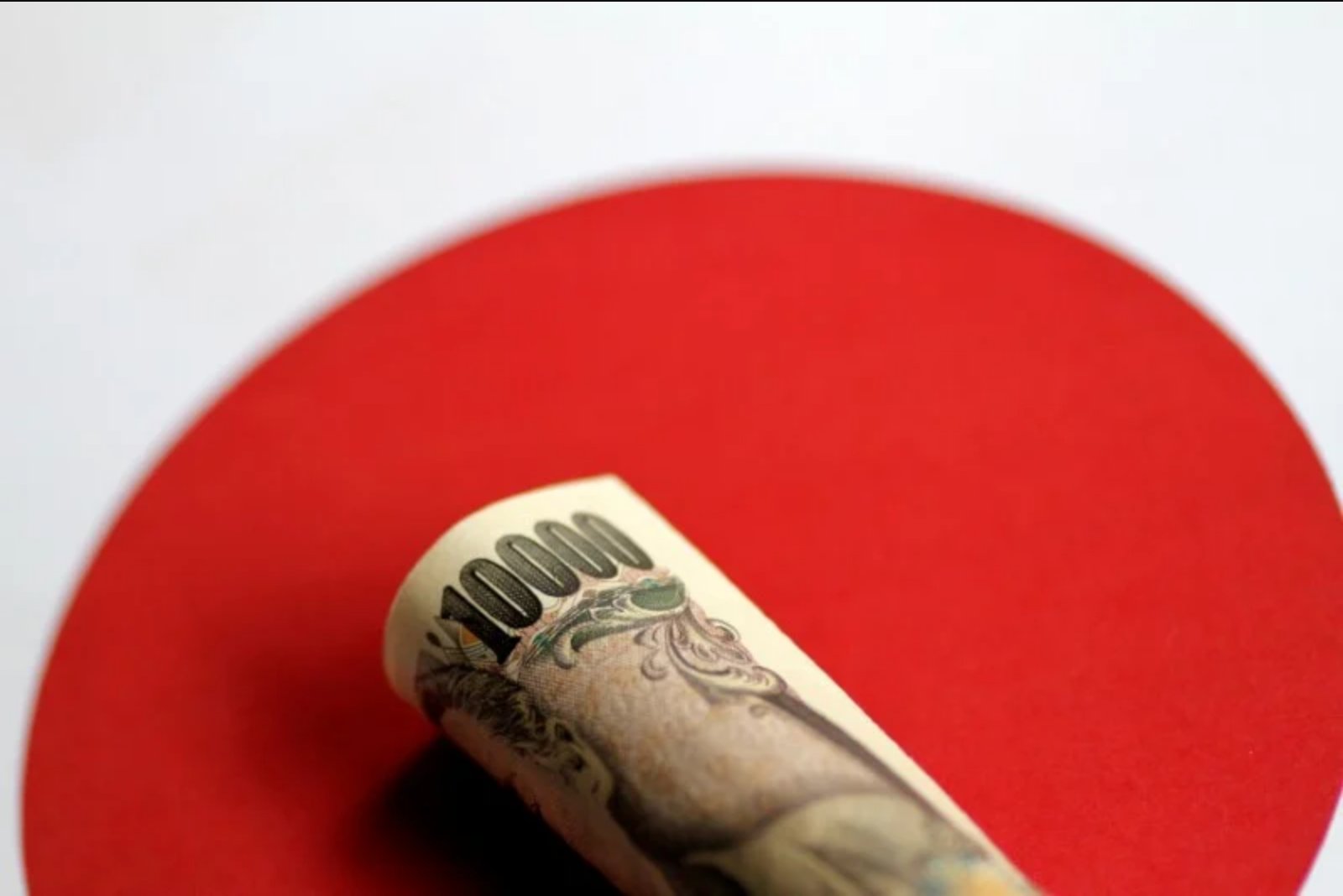
The Japanese yen approached its weakest valuation in nearly forty years on Tuesday, prompting renewed market speculation regarding potential government intervention to stabilize the struggling currency.
The USD/JPY exchange rate, which measures the number of yen required to purchase one U.S. dollar, settled at 161.58 yen. This price action kept the pair within a narrow margin of its 2024 high of 161.96 yen. Any movement beyond the 162 yen level would position the currency at valuations last recorded in 1986, marking a historic depreciation.
The yen has depreciated approximately three percent so far this year. Persistent downward pressure stems from a significant divergence between U.S. and Japanese interest rates. This structural gap exerts influence despite the Bank of Japan recently implementing a 25-basis-point rate increase.
Financial markets also reflect growing uncertainty surrounding fiscal policy direction. Japanese government bond yields persist near multi-decade highs. These yield levels correlate with market expectations for additional stimulus measures and potential tax reductions originating from Tokyo.
Continuous currency weakness maintains focus on the likelihood of further foreign exchange market intervention by Japanese authorities. Recent diplomatic engagements highlight this concern. Japanese Finance Minister Satsuki Katayama participated in an online discussion with U.S. Treasury Secretary Scott Bessent on Monday. Local media reported that the conversation addressed policy responses to historic yen depreciation, with explicit mention of currency intervention tactics.
Tokyo previously engaged in substantial market operations to counter currency decline. During late April and early May, the government deployed a record 11.7 trillion yen, equivalent to 72.4 billion U.S. dollars, to intervene in foreign exchange markets. Despite this significant financial commitment, the yen received only temporary stabilization. The currency subsequently drifted back toward forty-year lows over the following month.
Japanese officials have consistently issued warnings regarding additional intervention measures if the yen continues its depreciation trajectory. The persistence of these warnings underscores the seriousness with which policymakers view the current currency dynamics.