
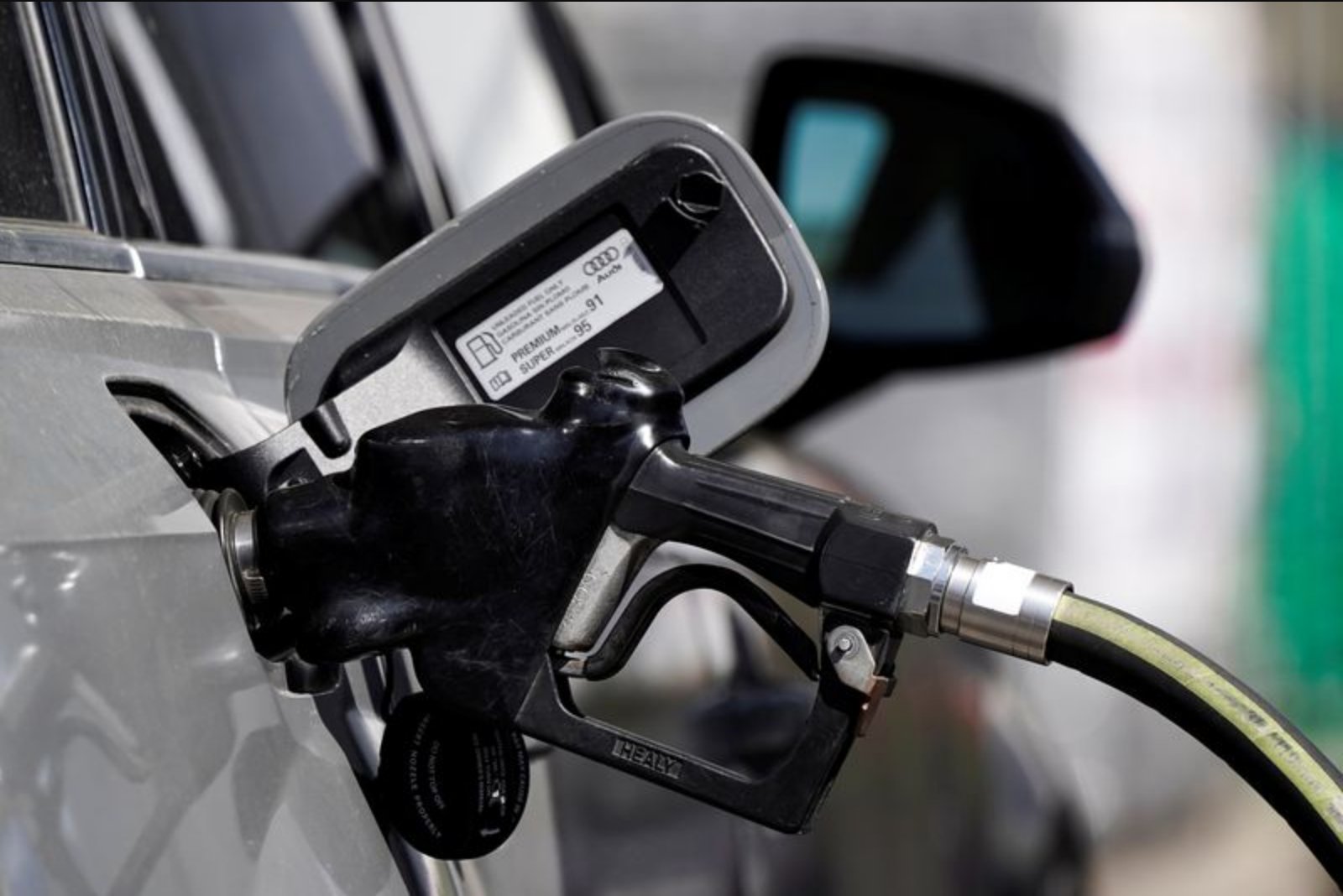
U.S. President Donald Trump told reporters on April 23 that Americans should anticipate higher gasoline costs "for a little while," reflecting recent increases in energy prices since the start of the Iran war in late February. When asked whether consumers "should anticipate spending more on gasoline for the foreseeable future," he replied "for a little while."
The spike in energy prices coincides with a series of military actions that escalated in late February. The U.S. and Israel attacked Iran on February 28, after which Iran carried out strikes on Israel and on Gulf states hosting U.S. bases. Those U.S.-Israeli strikes on Iran and subsequent Israeli attacks in Lebanon have resulted in substantial human consequences, with the original report noting that thousands have been killed and millions displaced.
More than two weeks ago a fragile ceasefire in the Iran war began. Despite that pause in sustained large-scale operations, the conflict has already affected global energy flows. The Iran war has brought traffic through the Strait of Hormuz - a critical chokepoint handling roughly 20% of global oil and liquefied natural gas shipments - close to a standstill, contributing to upward pressure on prices.
The rise in gasoline costs presents a political dilemma for Trump's Republican Party, which currently holds a majority in both chambers of Congress, with November's midterm elections approaching. Trump has previously said that gas prices may remain elevated until November but has otherwise sought to downplay public concern.
Summary
President Trump acknowledged on April 23 that Americans should expect increased gasoline prices "for a little while." Energy costs have climbed worldwide since the start of the Iran war in late February, a conflict marked by attacks on February 28 and subsequent strikes that have caused widespread casualties and displacement. A fragile ceasefire began over two weeks ago, but shipping through the Strait of Hormuz - which handles about 20% of global oil and LNG shipments - has been disrupted, contributing to higher fuel prices and creating a political challenge for the Republican Party ahead of the November midterms.
Key points
- President Trump said Americans should expect higher gasoline prices "for a little while." (Sectors impacted: consumer spending, transportation, energy.)
- Energy prices have risen globally since the Iran war began in late February, following attacks on February 28 and retaliatory strikes. (Sectors impacted: oil and gas producers, shipping, energy trading.)
- The Strait of Hormuz, which carries about 20% of global oil and LNG shipments, has seen traffic brought near a standstill due to the conflict. (Sectors impacted: global energy supply chains, maritime logistics.)
Risks and uncertainties
- Continued disruption of shipping through the Strait of Hormuz could perpetuate higher energy prices, affecting transportation and broad consumer costs. (Impacted sectors: shipping, airlines, consumer goods.)
- Political ramifications ahead of the November midterm elections, as elevated fuel costs create a dilemma for the governing party. (Impacted sectors: political risk assessments, consumer confidence-sensitive sectors.)
- The durability of the fragile ceasefire is uncertain; if hostilities resume, further price volatility may follow. (Impacted sectors: commodity markets, energy infrastructure.)
Note: This article presents the facts and statements as reported; it does not add new information beyond those details.