
Politics April 23, 2026 05:12 PM

Trump to Nominate Serco Executive David Cummins as Next TSA Administrator

Administration aims to advance plans to shrink TSA payroll and move toward privatized screening at smaller airports

By Ajmal Hussain
Trump to Nominate Serco Executive David Cummins as Next TSA Administrator

President Donald Trump plans to nominate David Cummins, a senior vice president at Serco North America who manages the company’s civilian government portfolio, to lead the Transportation Security Administration. The nomination comes as the White House pushes proposals to privatize portions of TSA operations, cut thousands of agency jobs and reduce its budget by more than $1.5 billion.

Key Points

  • Nomination: David Cummins of Serco North America is expected to be named TSA administrator; he oversees Serco’s civilian government customer portfolio.
  • Privatization and cuts: The White House recently proposed privatizing much of TSA’s work and cutting nearly 10,000 agency positions as part of a plan to reduce the agency’s budget by over $1.5 billion.
  • Operational impact: A recent government shutdown left about 50,000 TSA workers unpaid for six weeks, producing airport security delays that reached four hours or more; changes would affect aviation, security services and government contracting sectors.

President Donald Trump intends to nominate David Cummins, a senior vice president at Serco North America, to serve as the head of the Transportation Security Administration, two sources said. Cummins currently oversees Serco’s civilian customer portfolio across federal, state and local government contracts.

The planned nomination arrives amid broader White House efforts to reshape the agency. Earlier this month, the administration proposed shifting much of TSA’s work to private contractors and outlined plans to eliminate nearly 10,000 positions across the agency.

The vacancy at the top of TSA has persisted since Mr. Trump dismissed former administrator David Pekoske on his first day in the 2025 administration. More than 15 months have elapsed without a confirmed successor. Pekoske had previously been named by Mr. Trump during his first term and was later nominated by President Joe Biden for a second five-year term.

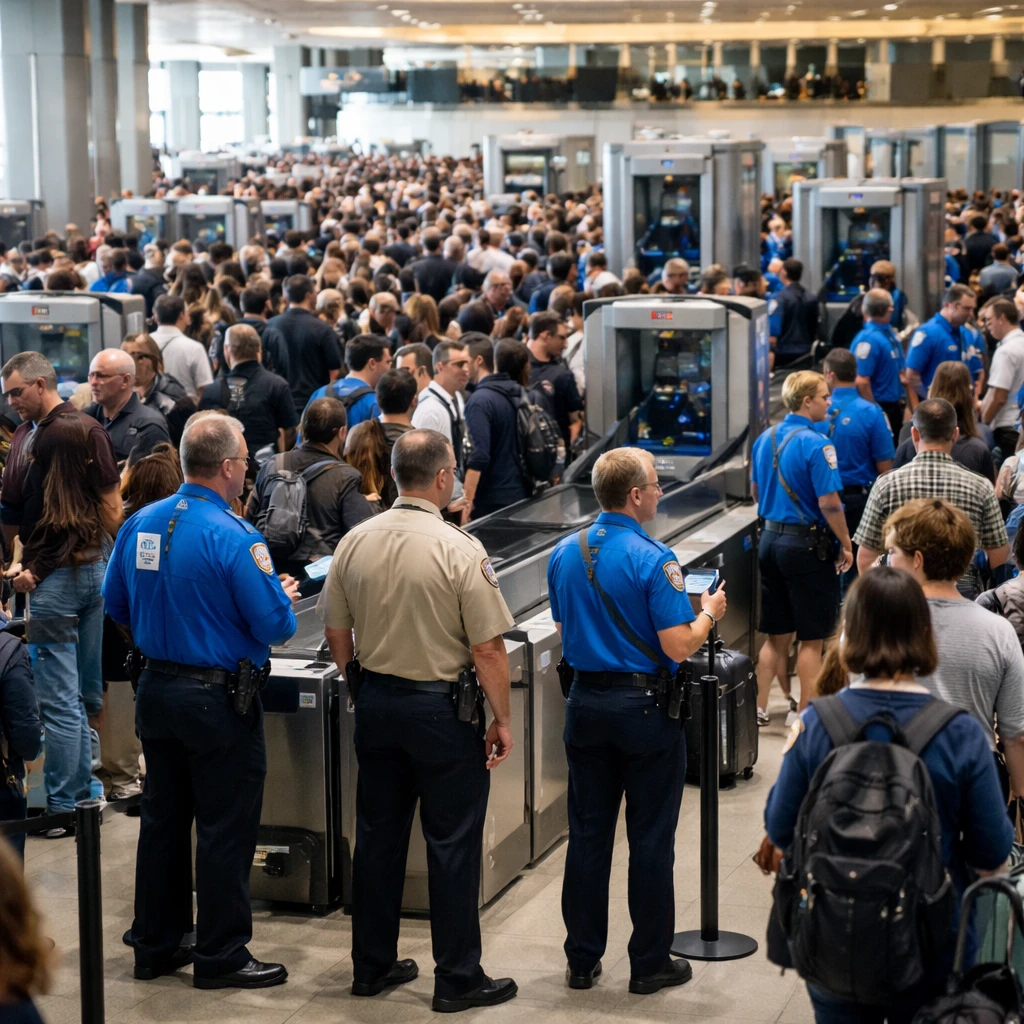
Operational strains at TSA have already been visible. A government shutdown this spring resulted in roughly 50,000 TSA employees going without pay for six weeks. That episode coincided with severe operational disruptions at airports, including security wait times that extended to four hours or more in some locations.

Trump’s current budget blueprint seeks a reduction in TSA funding of more than $1.5 billion. As a first step toward partial privatization, the proposal would require smaller airports to contract with private security firms in place of TSA-provided screening. The White House estimates that this change alone would cut more than 4,500 jobs from the TSA payroll.

Separately, the TSA has outlined internal plans to eliminate as many as 4,800 jobs through efficiency measures. Those proposed changes include ending staffing at exit lanes and removing overlapping positions.

The nomination of a Serco executive to lead TSA links the agency directly with the private contractor community at a moment when the administration is promoting increased private-sector involvement in airport security. How quickly the nomination progresses and the degree to which proposed staffing and budget reductions are implemented remain to be seen.


Clear summary

David Cummins, a Serco North America senior vice president who manages federal, state and local civilian contracts, is expected to be nominated to direct TSA. The move coincides with administration plans to privatize portions of TSA operations, reduce the agency workforce by nearly 10,000 positions through a mix of budget cuts and efficiency measures, and shift screening at smaller airports to private providers.

Risks

  • Leadership gap and uncertainty - The agency has been without a confirmed administrator for over 15 months after the prior head was removed, a situation that may prolong uncertainty for TSA operations and policy direction; impact: government and aviation sectors.
  • Operational disruptions from workforce changes - Large payroll reductions and proposed shifts to private screening could strain airport security operations during transition periods, as highlighted by prior disruptions during a government shutdown; impact: aviation and travel sectors.
  • Budget and implementation risk - Proposed cuts of more than $1.5 billion and plans to transfer screening at smaller airports to private firms carry execution risk and may face logistical challenges; impact: security services and government contracting sectors.

More from Politics

White House Investigator Pursues Discredited Vote-Manipulation Theories After Puerto Rico Forensic Review Finds No Hack Apr 23, 2026 Complaint Alleges EEOC Chair Broke Virginia Bar Ethics by Halting LGBTQ and Disparate Impact Probes Apr 23, 2026 Persistent Election Doubts Among Republicans Fuel Misinformation Risks Ahead of Midterms Apr 23, 2026 DeSantis Signs Law Barring Local Governments From Funding or Running DEI Programs Apr 22, 2026 Kennedy Center Opens Up on Controversial, Taxpayer-Funded Renovation Plan After Trump Takeover Apr 22, 2026