
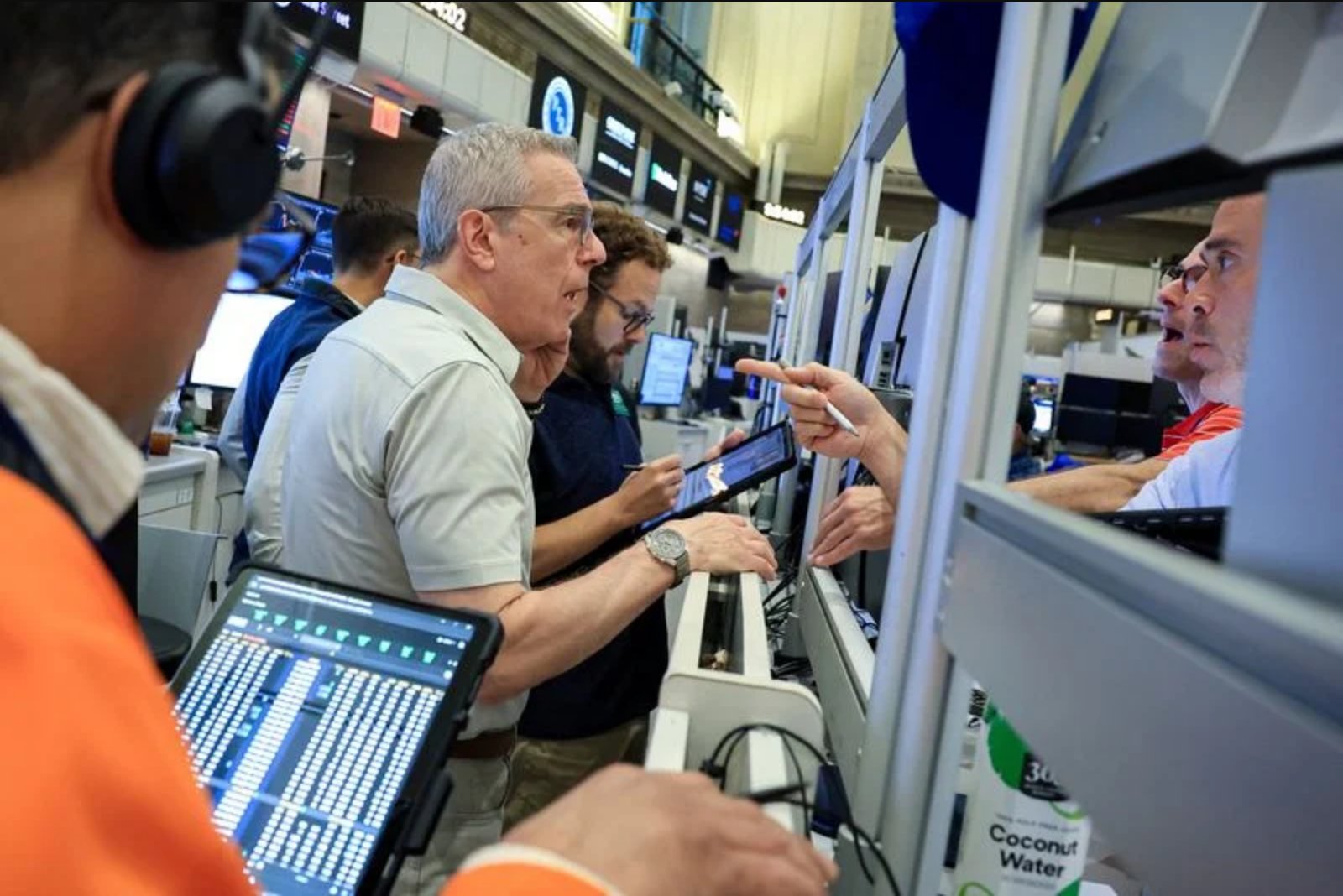
The recent sell-off in technology shares jolted mid-year markets as an 8% drop in the U.S. chip-stock index on Tuesday brought volatility back into focus. Memory-chip maker Micron Technology fell about 13%, wiping out the previous day’s gains just ahead of its scheduled earnings update. The company’s stock, which has risen more than 200% so far this year, faces fresh tests as investors seek clarity on AI-driven memory demand that has been a major upward force.
Asia’s markets felt the ripple effects. South Korea’s chip-heavy and frequently volatile KOSPI retreated around 10% earlier in the day, amplifying pressure on tech names. In the United States, the Nasdaq lost more than 2% during the episode before some stabilization across futures and other Asian bourses overnight.
Notable commentary has also emerged from industry figures. SoftBank CEO Masayoshi Son characterized the notion that artificial intelligence is a bubble as "blasphemy," reflecting a segment of market opinion that sees current gains as sustainable. Yet, recent price swings have made other investors less sanguine and have revived debates about whether lofty tech valuations can be justified.
Investors will be watching Micron’s results closely for signals about the durability of demand for memory chips tied to AI workloads. The company’s dramatic year-to-date rise has made its earnings report a focal point for assessing if sales and orders reflect continued strong adoption of memory-intensive AI infrastructure, or if the market rally has become overstretched.
Another high-profile equity story this week was the post-IPO movement in SpaceX stock. After an initial climb following its public listing, the rocket maker’s shares slid sharply but settled above the listing price on Tuesday, showing some stabilization after the initial volatility.
Macroeconomic and policy expectations are also playing a role. Market participants have increasingly factored in a range of Federal Reserve rate-path scenarios since last week’s policy meeting. Forecasts diverge significantly - for example, one large bank models three rate hikes through next January, while another still anticipates three rate cuts. That spread in projections has contributed to shorter-term volatility in rate-sensitive sectors, notably technology.
U.S. business activity surveys for June printed above forecasts, suggesting some resilience in economic activity. Meanwhile, oil prices eased toward four-month lows as talks between the United States and Iran reduced near-term risk premia and shipping activity in the Gulf climbed. Brent crude dipped below $76 per barrel amid those developments.
Currency markets have reflected shifting rate expectations as well. The dollar continued to extend recent gains on bets of higher U.S. interest rates, with the broader dollar index reaching a 13-month high. Market attention has remained on the potential for Bank of Japan intervention to prevent the greenback from approaching multi-decade peaks against the yen. Separately, Japan’s government is reportedly exploring improved approaches to managing its roughly $1.3 trillion in foreign exchange reserves, an issue drawing market interest given the scale of those holdings.
In single-stock movements outside of semiconductors, FedEx shares fell sharply in after-hours trading, dropping about 6% on concerns that tighter margins were highlighted in its latest earnings update. Private credit markets also showed strains, with reports of heavy redemptions from flagship funds at major firms adding to investor anxiety; those reports included a large bank noting significant outflows from its private credit pools this week.
Chart of the day
Political sentiment readings also shifted. The overall approval rating for the U.S. president moved down to 34% in the latest public-opinion survey, returning to the lowest level of the current term previously seen in April. Approval on the cost-of-living issue stood at 22%, close to the lowest rating recorded during the presidency and lower than the terminal approval level of the prior administration. The same poll found just 24% of respondents believed a conflict with Iran was worth its costs.
Events to watch today
- U.S. corporate earnings - Micron Technology
- U.S. Q1 current-account balance (8:30 a.m. EDT)
- May new home sales (10:00 a.m. EDT)
- U.S. 2-year floating rate note auction (11:30 a.m. EDT) and 5-year note auction (1:00 p.m. EDT)
For readers who want daily market perspective, there is a weekday audio briefing available that discusses the biggest developments in markets and finance.