
Overview
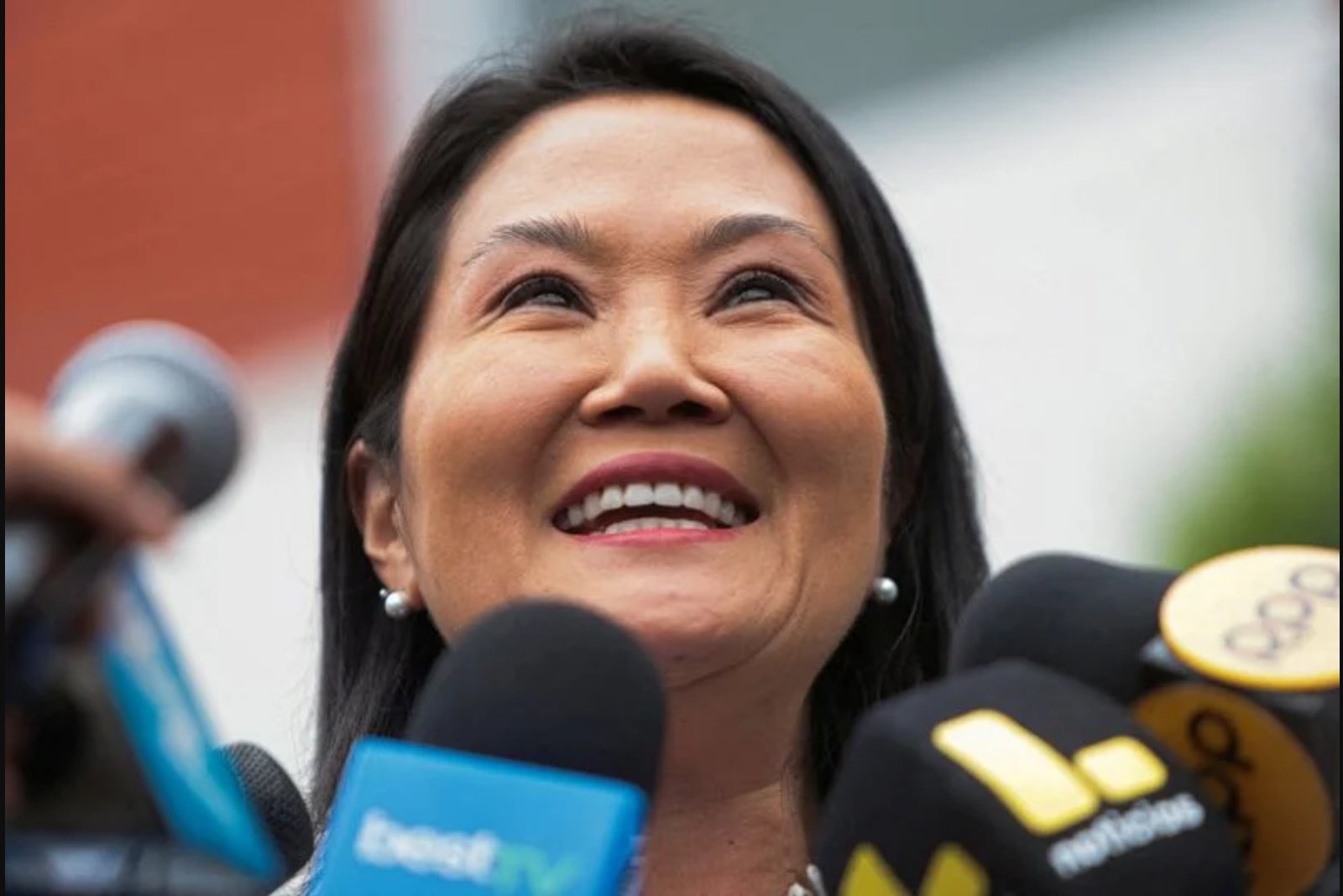
Keiko Fujimori won Peru's presidency in her fourth campaign, narrowly defeating leftist congressman Roberto Sanchez in one of the country's closest modern elections. The result, finalized late Tuesday with 98.86% of ballots tallied, handed the conservative candidate an insurmountable lead after a runoff that took weeks to resolve. International observers noted that both rounds proceeded normally, even as the vote count was prolonged and some ballots were queried.
Immediate aftermath
Despite the official figures, Sanchez has alleged fraud and said he will not recognize the outcome. Peru's electoral authority, ONPE, is scheduled to formally confirm the winner in mid-July. The incoming president is due to assume the country's highest office on July 28 and will serve a five-year term.
Fujimori's victory marks a historic first for Peru: she will be the country's first elected female president. It also represents the return of a political dynasty that has long provoked intense debate and polarization across Peruvian society.
Political context and legacy
At 51, Fujimori has now prevailed after three earlier narrow defeats in 2011, 2016 and 2021. Those previous contests were shaped in part by a persistent "anti-Fujimori" sentiment that has influenced Peruvian elections for years. Political analysts point to the staying power of "Fujimorismo," the movement associated with her late father, former president Alberto Fujimori.
Alberto Fujimori led the country from 1990 to 2000. He was credited by some for bringing stability, while critics condemned his administration as authoritarian. He served 16 years in prison for human rights abuses that occurred during his rule and died in 2024 after being released.
Fujimori’s political evolution and platform
Keiko Fujimori entered national politics at a young age, acting as de facto first lady at 19 after her parents separated. She later cultivated her own political base, winning a congressional seat in 2006 with what was described as the highest vote total ever recorded for a Peruvian lawmaker. After a period of distancing herself from her father's record, she has in recent years leaned into that legacy.
In this campaign she positioned herself as a candidate who could reassert order in the face of rising crime and extortion. Her platform emphasized economic stability, respect for private property and closer ties with Washington. One notable policy she proposed was reviving "faceless judges," a contentious legal mechanism used in the 1990s to try terrorism and drug-related cases that human rights groups later criticized for undermining due process.
Legal history and political allies
Fujimori's own career has been clouded by legal troubles. She spent nearly a year and a half in pretrial detention between 2018 and 2020 on allegations of illegal campaign financing; those charges were dropped last year. Her running mate, Luis Galarreta, has described that period as formative and has presented a narrative of change, saying in an interview: "She came out of prison without bitterness," and that she now prioritizes building a more structured political organization.
Still, her presence remains divisive. Opponents contend that the right-wing Popular Force party, long dominant in Congress, has in part contributed to Peru's recurring instability. The party is expected to hold the largest minority bloc in the next legislature, with 41 seats in the lower house and 22 in the Senate for the 2026-2031 term.
Public reaction and electoral dynamics
Protests against Fujimori's candidacy drew hundreds of leftist supporters and civil society groups in Lima ahead of the runoff. In the first round of voting, just 11% of the electorate supported her, highlighting how her path to victory relied on consolidating a narrow but decisive slice of voters in the head-to-head contest.
Peru's party system remains fragmented and has struggled to form lasting governing coalitions. The country has been shaken by corruption scandals affecting almost every national leader over the past three decades, and political turnover has been frequent: eight presidents and 21 prime ministers have led the country over the last 10 years, a sequence that analysts say has left Peru, for practical purposes, without a stable national government.
Transition and legislative landscape
Fujimori will take over from Jose Balcazar, who assumed office earlier this year after Congress removed his predecessor over a scandal involving undisclosed meetings with a Chinese businessman. The legislature has returned to a bicameral system, and no single party holds a majority in either chamber, a factor that has complicated governance and contributed to repeated impeachments.
Analysts note that right-wing allies in Congress could provide Fujimori with a limited advantage. Her Popular Force party will control 22 of the 60 Senate seats, a number observers say is sufficient to block impeachment attempts. Yet questions remain about whether other right-leaning and center-right rivals in Congress will form formal alliances with Popular Force.
Eileen Gavin of Verisk Maplecroft observed that while opposition to Fujimori softened somewhat during the campaign, it remains potent. "It is not clear that her rivals on the far right and center-right (in Congress) will be willing to ally themselves with the Popular Force in any formal way," she said, warning that divisions could complicate governance. Gavin added: "Hopes that Peru will finally exit its vicious cycle of revolving-door presidents may be sadly misplaced."
Outlook
Fujimori’s return to power restores a political project that continues to divide Peruvians. She inherits a copper-exporting economy confronting rising crime, entrenched corruption and political volatility. Her administration will confront the practical challenge of governing in a fragmented legislature, addressing public security concerns and managing investor and market expectations in strategic sectors such as mining and broader private investment. How effectively she navigates those constraints will shape both the short-term policy environment and longer-term perceptions of political stability in Peru.