
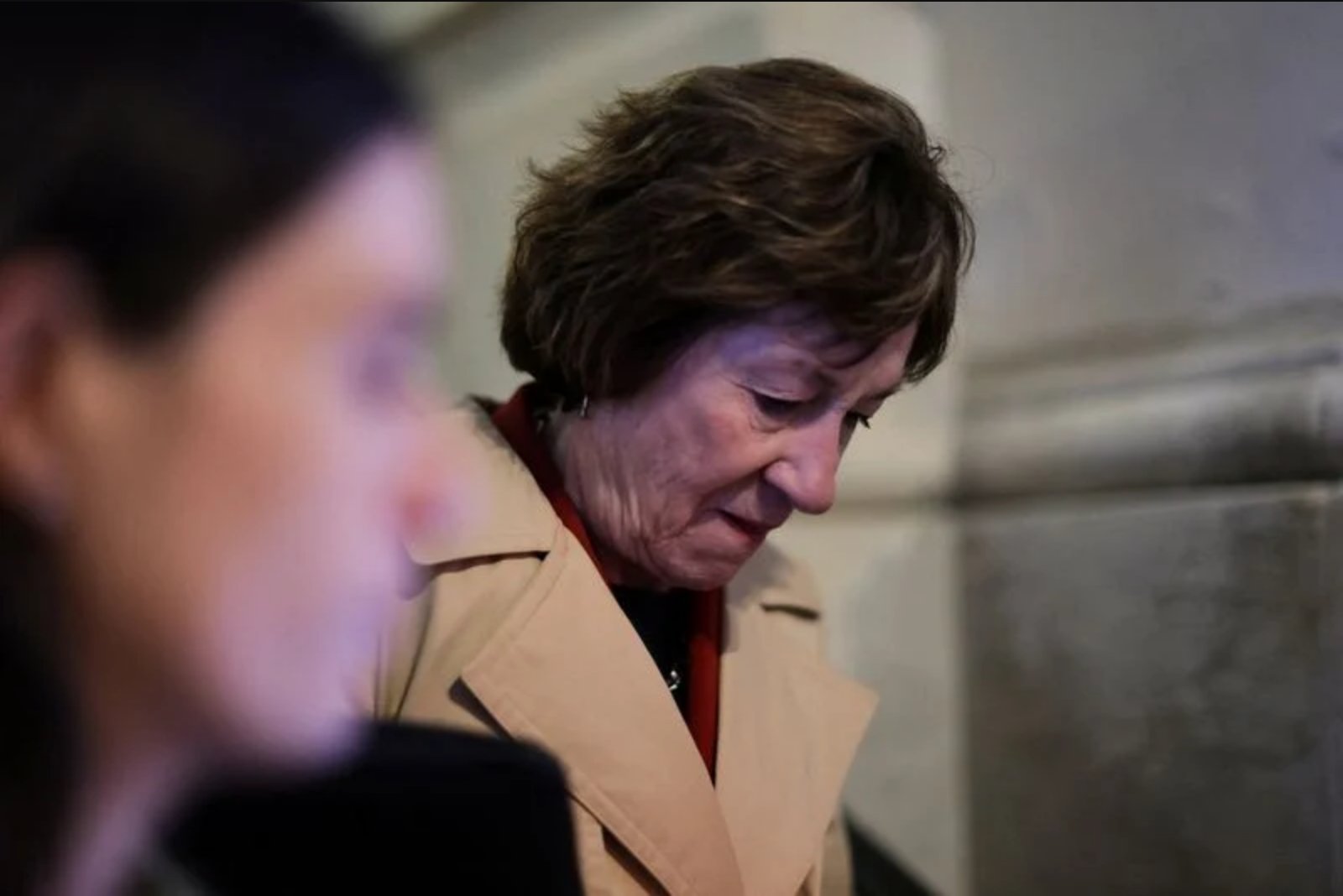
Two senators representing Maine have urged the administration to make a draw from the federal emergency stockpile of heating oil as diesel prices climb to record highs and put pressure on household budgets.
In a letter sent to President Donald Trump on Tuesday, Senators Susan Collins, a Republican, and Angus King, an independent who caucuses with Democrats, requested that the Northeast Home Heating Oil Reserve be tapped to "protect Mainers from the very high prices that are imposing a difficult financial burden."
Collins, who is running a competitive campaign for re-election in November, said in a statement that the cost of energy is a "huge issue in my state" and that releasing fuel from the reserve "would help put downward pressure on prices." The senators cited a survey from the Maine Department of Energy Resources indicating that households in the state are paying about $675 more to fill a heating oil tank than they did a year ago.
Prices for diesel - a fuel closely comparable to heating oil - have surged to a record of more than $6.50 a gallon, a jump the senators attributed in their letter to disruptions in fuel production and shipments linked to the wars in Iran and Ukraine.
The letter did not receive an immediate response from the White House.
In addition to the request to unlock stockpiled fuel, Senator Collins joined Senator Jack Reed of Rhode Island in urging the administration to release funds from home heating programs aimed at assisting low-income households with heating costs.
The Northeast Home Heating Oil Reserve was established in 2000 and currently stores about 1 million barrels of diesel across four sites stretching from Maine to New Jersey. That volume equates to roughly 10 days of heating oil for the region. The reserve's last use was in 2012, when its supplies were provided to emergency responders in the wake of Hurricane Sandy.
Budget documents from the previous year show that the administration proposed eliminating the reserve, citing the expense of maintaining it. The current spike in diesel prices has provoked renewed debate over policy responses, including calls for a ban on diesel exports. The White House has denied a media report that it was preparing a 90-day ban on diesel exports.
The senators' appeal highlights the immediate consumer impacts of elevated diesel and heating oil prices in a state where many households depend on heating oil for winter warmth. Their request also underscores the limited size of the reserve relative to regional needs and the political sensitivity of energy costs in a tight Senate race.