
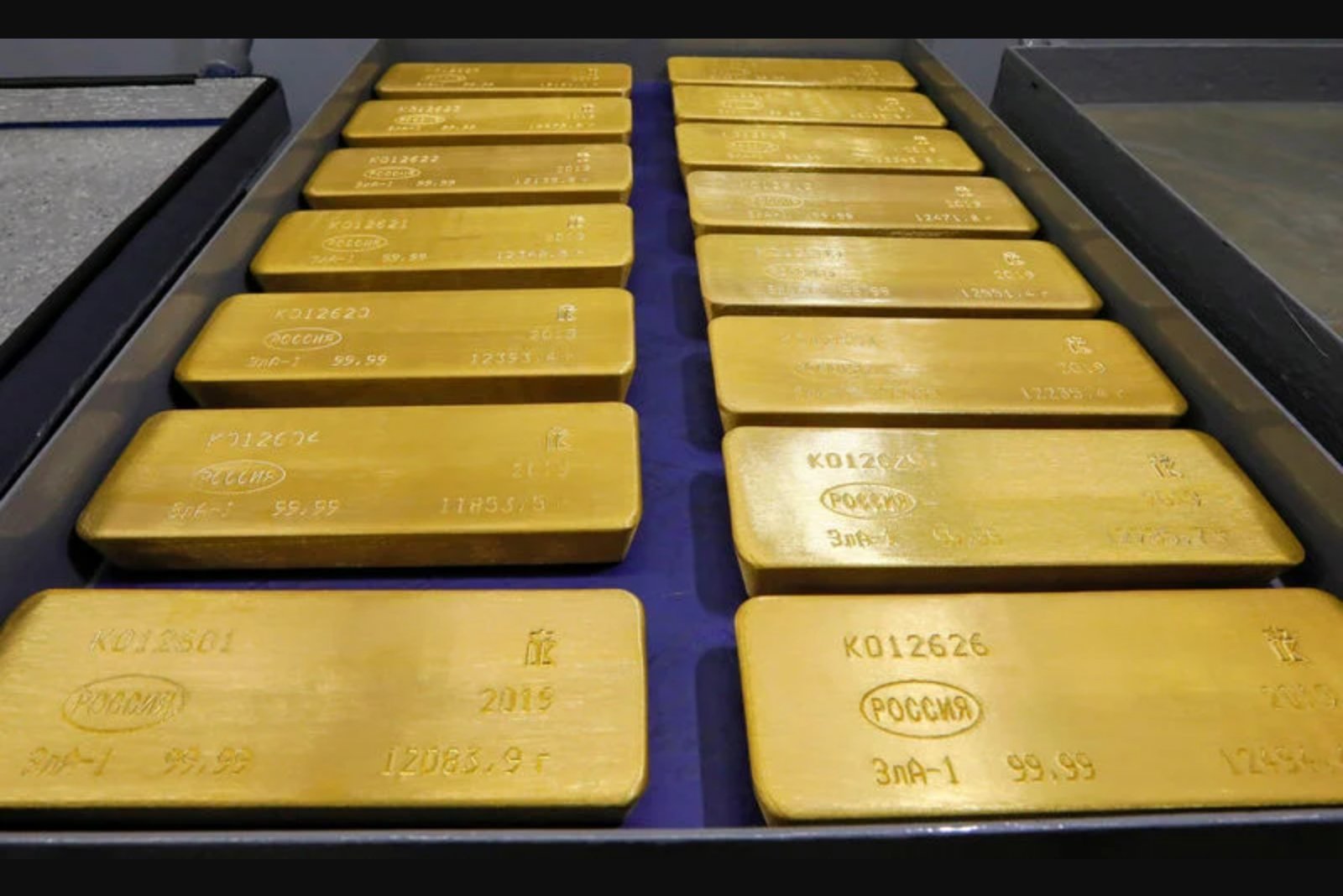
Markets for gold, silver, platinum and palladium have pulled back, but the move reads more like a staged re-entry opportunity than a blanket bargain across the board. Each metal carries a distinct risk-return profile that suggests differentiated positioning within a diversified portfolio.
Snapshot of current pricing and market stance
- Gold Futures (GC): $4,355.20 - daily change -6.98% - intraday +0.51% - characterized here as the best core exposure.
- Silver Futures (SI): $65.69 - daily change -5.48% - YTD -8.16% - positioned as a higher-upside satellite.
- Platinum Futures (PL): $1,782.50 - daily change -5.99% - YTD -13.91% - seen as a contrarian opportunity.
- Palladium Futures (PA): $1,286.25 - daily change -4.60% - YTD -22.55% - considered speculative only.
Prices and daily changes are as of Sep 23, 2026, 8:14 AM EDT.
Gold: core accumulation and structural support
Among the four, gold is described as the cleanest candidate for accumulation because its demand is driven more by central-bank purchases, currency concerns and safe-haven flows. The technical picture is mixed: daily indicators were signaling Strong Sell while monthly indicators remained Buy, with readings taken as of Sep 23, 2026, 7:33 AM EDT. The relative strength index (RSI) was 43.8 on the daily timeframe and 61.5 on the monthly timeframe.
Key technical thresholds cited:
- Support: $4,331, then $4,287.
- Resistance: $4,418, then $4,459.
The recommended approach is staggered accumulation rather than attempting to pick an exact low, reflecting the role of ongoing central-bank demand as a structural backstop.
Silver: greater upside, greater volatility
Silver combines monetary characteristics with industrial demand tied to electronics, solar and electrical applications, making it the higher-risk, higher-reward selection among the group. Technical signals at the time showed weekly Strong Buy and daily Buy, with the weekly RSI near 48.5 as of Sep 23, 2026, 7:33 AM EDT.
Critical levels listed for silver:
- Support: $63.97, then $60.79.
- Resistance: $69.11, then $71.08.
A notable caution flagged in the coverage is that a widely cited 2026 deficit forecast for silver hinges on a recovery in physical-investment demand. That recovery has not yet fully materialized, leaving the projected deficit and related upside conditional on a change in physical demand patterns.
Platinum and palladium: diverging prospects
Platinum is identified as the stronger contrarian trade of the two. It benefits from a more balanced mix of industrial and precious-metal demand, and weekly technical readings were Strong Buy despite short-term daily weakness.
Palladium stands apart as the weakest candidate. It was down 22.55% year-to-date and carried Strong Sell signals on both daily and weekly timeframes. Commentary in the analysis suggests the metal’s long-term demand structure is less compelling, so price weakness alone does not make it an attractive buy for broad allocations.
Comparative conclusions summarized in the coverage state that silver represents the broadest non-gold exposure, platinum provides scarcity-driven upside for contrarian allocations, and palladium should be limited to speculative holdings.
Practical ranking for portfolio positioning
- Gold - core hedge and first priority.
- Silver - a smaller position aimed at upside participation.
- Platinum - contrarian satellite allocation.
- Palladium - observe rather than chase; speculative only.
Macro risk to monitor
A primary macro risk identified is rising real yields and a stronger U.S. dollar. Those conditions increase the opportunity cost of holding non-yielding metals and could extend the current corrective phase in prices.
Additional note: Historical data is limited to 10 years on Pro+ plan.