
Overview
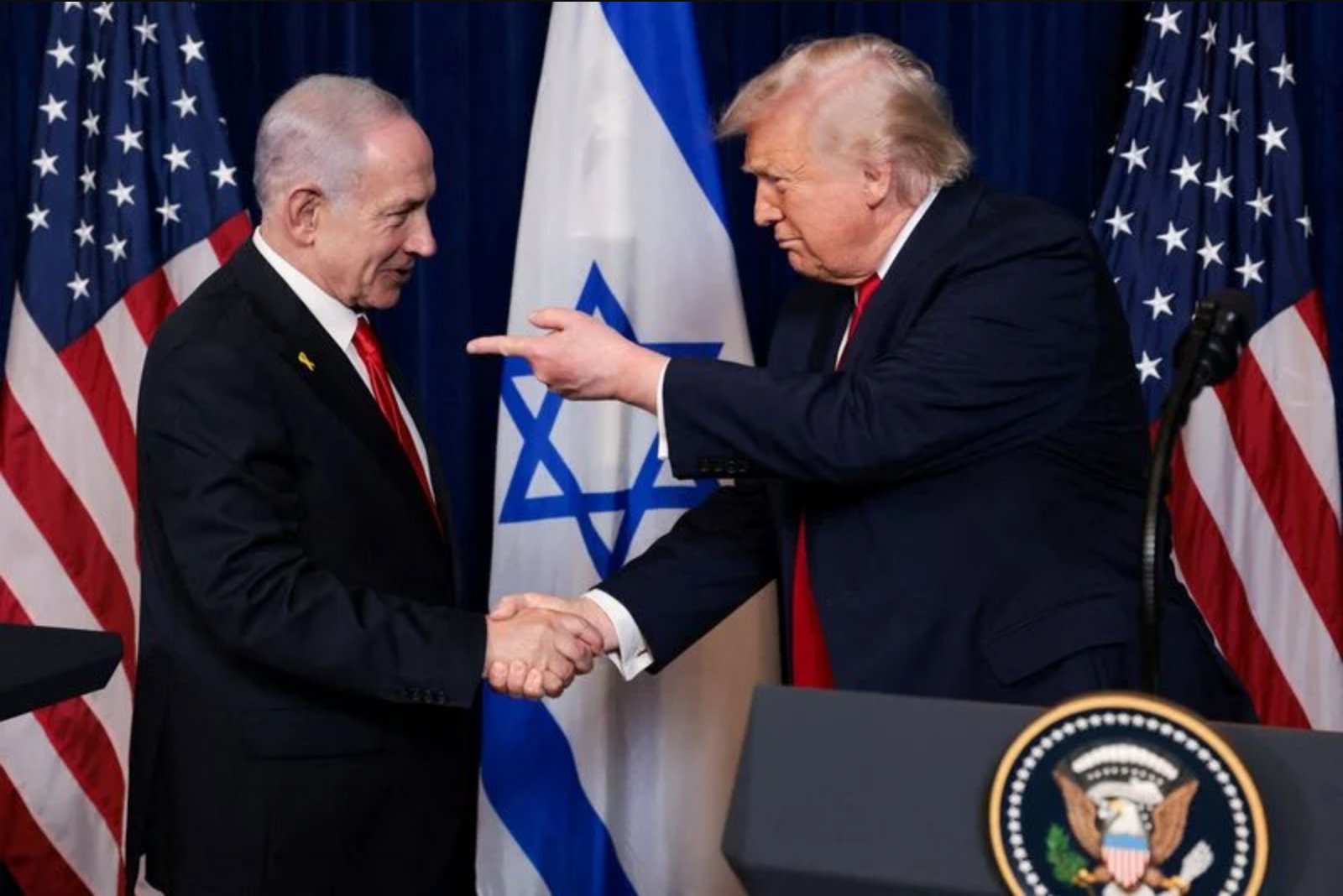
What was intended to be a strategic triumph for Benjamin Netanyahu has, according to analysts and former U.S. officials, become a defining political setback. The interim arrangement between the United States and Iran to end the conflict that erupted in February is widely viewed as eroding the very reputation Netanyahu cultivated over decades: that of the Israeli leader who could reliably bend Washington to Israel’s strategic preferences on Iran.
Netanyahu’s political identity and its erosion
Netanyahu constructed a political brand on a bold premise - that he alone could keep the United States and Israel closely synchronized on Iran policy. Over years he cultivated support across the U.S. political spectrum, particularly among Republicans, and repeatedly positioned himself as the indispensable Israeli interlocutor in Washington. Diplomats once described him as the "American whisperer" - a leader who could phone U.S. decision-makers and shape their strategic calculus to match Israel’s.
Those dynamics are now, analysts say, showing signs of reversal. Rather than steering American policy, Netanyahu has been compelled to accept a U.S. approach that prioritises a settlement with Tehran and treats Israeli objections as constraints on the process. With a U.S. president determined to wind down the conflict and an Israeli domestic base wary of concessions, Netanyahu finds himself squeezed between two political pressures that are difficult to reconcile.
International isolation and constrained influence
Regional diplomatic sources and analysts argue that Washington’s direct dealings with Tehran and its inclusion of Lebanon and Iran-backed Hezbollah within a broader framework of the agreement have sidelined Israel from some of the key decisions shaping the ceasefire architecture. Mechanisms created to manage disputes over the ceasefire and the U.S. negotiation posture have, according to those sources, increasingly treated Israeli qualms as secondary.
That shift has translated into public rebukes of Israel’s military conduct in Lebanon by the U.S. president, and statements from senior U.S. figures emphasising conditional support. In a televised remark cited by observers, the U.S. president said that if he tells Netanyahu "to do something, he does it", signalling a willingness to override Israeli priorities where U.S. interests diverge from Israel’s. Vice President JD Vance has warned Israeli critics of the deal against "attacking the only powerful ally they have left in the world." A White House official nevertheless said the president and Netanyahu had a strong relationship and praised Israel’s military forces as "incredible partners" in a war that had "decimated the Iranian regime’s military capabilities."
Domestic political consequences
At home, the calculus is no less fraught. Former U.S. official Dennis Ross described Netanyahu as increasingly boxed in between a U.S. president intent on ending the conflict and a domestic constituency resistant to concessions, particularly in Lebanon. The options available to Netanyahu carry their own risks: withdrawal could trigger political backlash among supporters who sought sustained pressure on Iran and its proxies, while escalation could provoke a confrontation with Washington.
Analysts observe that the conflict Netanyahu hoped would underpin his legacy - the narrative of a leader who confronted Iran and protected Israel’s security - may end up doing the opposite. Isolated internationally and constrained by his closest ally, and facing an autumn election, Netanyahu risks seeing the issue that once formed a political asset turn into a liability.
Reflections from allies and critics
Former adviser Aviv Bushinsky offered a blunt assessment: "Not only did he lose the war with Iran, he has also lost Trump as a friend. He is now isolated not only internationally, but locked in a major dispute with Trump." Netanyahu’s office did not respond to a request for comment. In a recent press briefing the Israeli prime minister described his relationship with the U.S. president as one of partners who "agree many times and sometimes disagree", and asserted that there had been a systematic campaign to diminish Israel’s "huge achievements" against Iran and its proxies.
Shifts in regional alignments
The implications of the U.S.-Iran deal extend to broader strategic bets Netanyahu has made. He tied his political future to two principal objectives: weakening the Iranian leadership and securing expanded normalisation with Arab states, notably Saudi Arabia, under the umbrella of the Abraham Accords. According to the analysis in the region, neither outcome has come to pass. Iranian leaders have emerged from the conflict fortified rather than toppled, and the hoped-for rapprochement with Saudi Arabia remains off the immediate agenda.
Diplomatic interlocutors in the Gulf are reported to be hedging, slowing the pace of normalisation with Israel while cautiously reopening lines with Tehran. Observers cite a mix of factors that have eroded the logic underpinning the Abraham Accords, including the Gaza war, questions around West Bank annexation, and a growing perception that Netanyahu’s Israel may complicate rather than facilitate emerging regional calculations.
An Iranian official summed up the strategic reversal in stark terms: "This is not just a victory for Iran. It’s a failure for Netanyahu." The official argued that Tehran has not only survived the conflict but has emerged as a more influential regional actor, and that efforts by Netanyahu to expand the Abraham Accords have been blunted as several countries seek a place within an emerging Iran-aligned framework.
Loss of a political safety net
What compounds Netanyahu’s predicament, U.S. analysts say, is the erosion of the Republican safety net he long relied upon. For years Netanyahu cultivated Republican backing as a counterweight to tensions with Democratic administrations, publicly denouncing prior Iranian nuclear diplomacy from a congressional podium. But analysts argue that Republicans will not break with the current U.S. president on this deal in support of Netanyahu.
The result, according to commentators in the region and former officials, is a leader who has seen a central element of his political standing - the ability to command U.S.-Israeli synchrony on Iran - transformed into a vulnerability. With his international leverage diminished and domestic pressures intensifying ahead of an election, the policy area that once reinforced his political identity now poses strategic and political risks.
Outlook
The interim U.S.-Iran arrangement has redrawn lines of influence and left Netanyahu facing choices that carry both domestic and international costs. Analysts and diplomats who spoke to reporters emphasise that the Israeli leader’s capacity to shape U.S. policy on Iran has been curtailed by a U.S. administration focused on ending the conflict and managing a broader regional settlement. Whether this shift will produce enduring realignment in Israel’s diplomatic posture, electoral repercussions for Netanyahu, or changes in regional normalization trajectories remains contingent on developments that the current reporting does not specify.
Note: This article reports perspectives and direct quotations from analysts, former officials and regional sources on the political implications of the U.S.-Iran interim agreement as described in available statements.