
Global food commodity prices rose in September to their strongest level in nearly four years, the United Nations Food and Agriculture Organization (FAO) said, citing a mixture of logistical disruptions and weather-related supply concerns that have tightened markets for several key crops.
Index movement and context
The FAO Food Price Index, which measures monthly changes in international prices for a basket of food commodities, averaged 136.0 points in September. That reading is up from a revised 134.0 for August and represents the highest index level since November 2022.
Drivers by commodity
FAO highlighted several commodity-specific developments that underpinned the rise in the index.
- Sugar: International sugar prices climbed to an 18-month high amid growing concerns over a severe El Nino weather pattern and adverse conditions that threaten output in major producing regions. FAO’s sugar price index rose 6.1% from August, marking a third consecutive monthly increase.
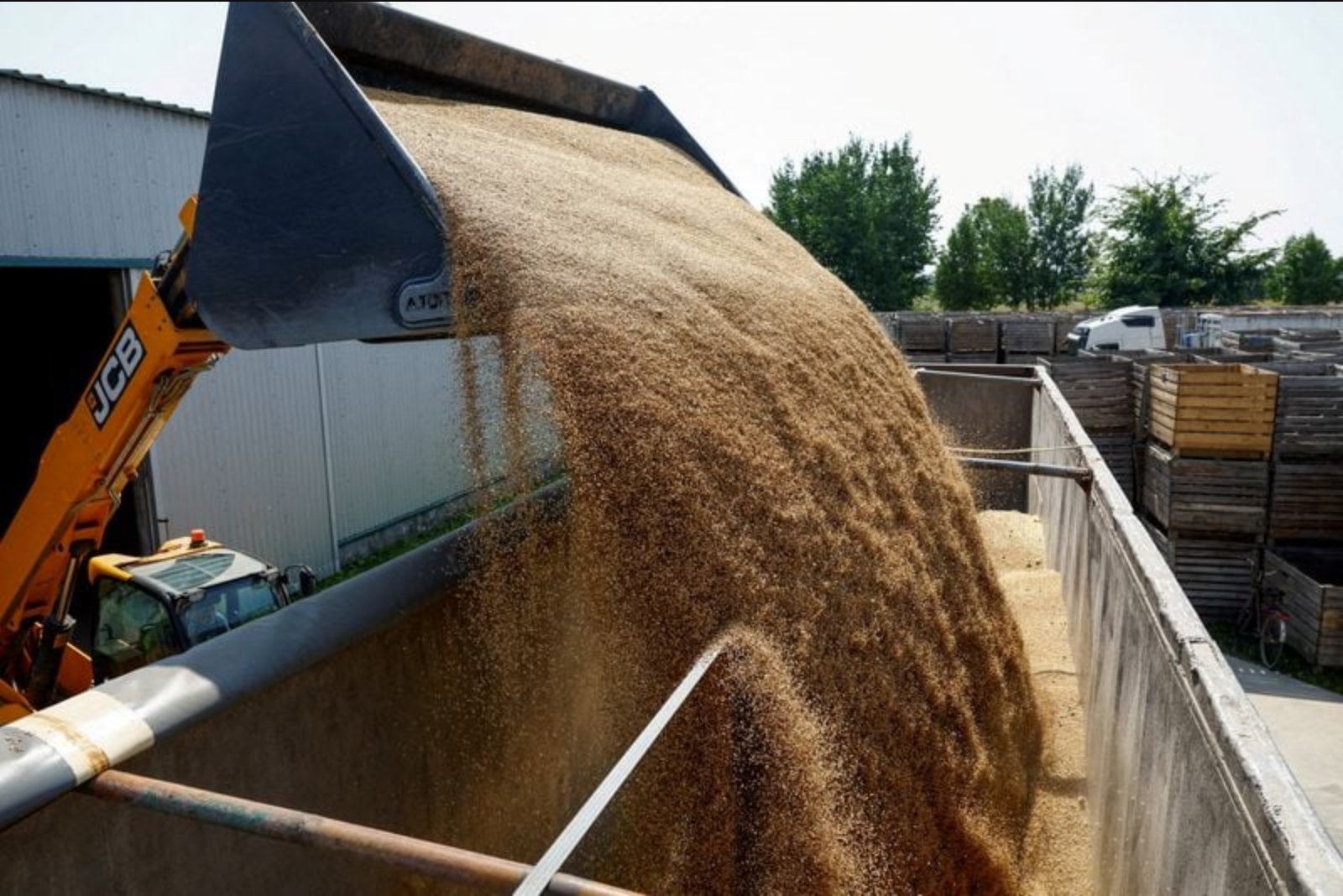
- Cereals: The agency’s cereal price benchmark increased 5.1% month-on-month. Softer yield prospects for US corn added to the upward pressure already stemming from disruptions to Black Sea grain shipments. FAO noted that a war-related collapse in Black Sea trade had pushed wheat futures to a three-year peak earlier in the month.
- Vegetable oils: Vegetable oil prices edged up 0.9%, with palm oil cited as the primary driver. FAO pointed to strong demand and concerns about El Nino-related production risks in Southeast Asia as contributing factors.
- Meat: FAO reported that its overall meat index eased by 1.1%. The decline reflected lower poultry prices, which FAO linked in part to reduced European Union demand following the implementation of new import rules.
Policy maker warning
"We are seeing a persistent and increasingly broad-based build up in global commodity prices, as disruptions in the Strait of Hormuz and the Black Sea combine with climate shocks, putting pressure on energy, transport and key food commodities," FAO Chief Economist Maximo Torero said. "If sustained, these pressures will soon pass through to consumer food prices, especially in food and energy import-dependent countries."
Production and trade outlook
In a separate FAO release, the agency left its forecast for global cereal production in 2026 largely unchanged at 2.979 billion metric tons. That figure is 2.1% below the previous year’s peak but would still represent the second-largest harvest on record according to FAO.
At the same time, FAO trimmed its projection for world cereal trade in 2026/27 by 0.7% from the previous month. The revision reflected lower expectations for wheat and maize exports amid constrained Black Sea shipping.
Takeaway
September’s uptick in the FAO Food Price Index reflects a convergence of logistical disruptions in key maritime corridors and weather concerns that have tightened supplies for sugar, cereals and vegetable oils. FAO’s commentary underscores the risk that these cost pressures could transmit to consumer-level food prices if the conditions persist, with particular implications for countries reliant on food and energy imports.