
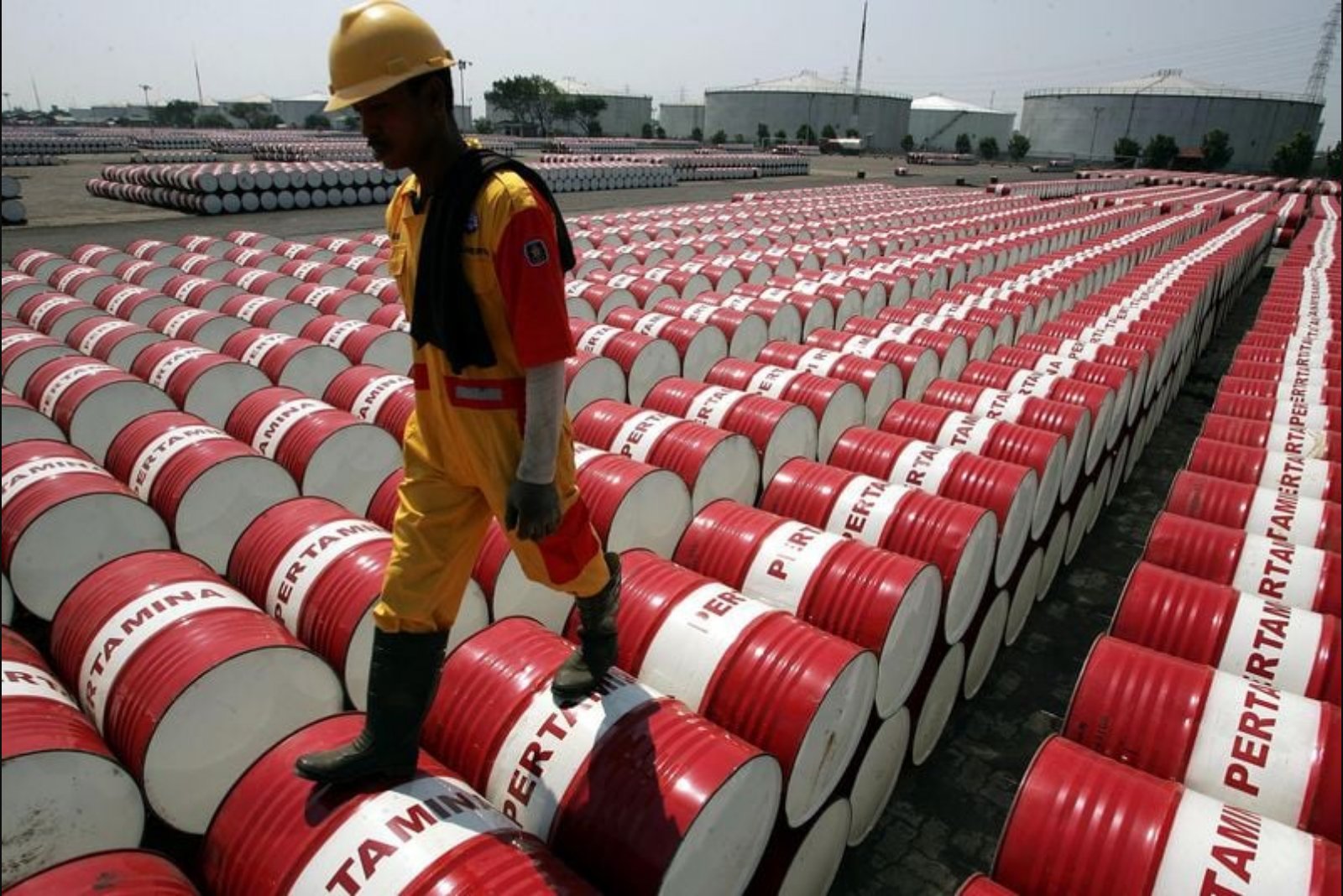
Global oil demand is expected to keep expanding into the 2030s, according to a UBS research report, even as electric vehicles and improved fuel efficiency slow the increase in gasoline and diesel consumption. The bank points to demographic trends and rising living standards in emerging markets as among the forces that will more than offset lower road-fuel growth.
The report underscores that oil's role stretches well beyond mobility. Petroleum remains a fundamental feedstock for the petrochemical sector and is used in the manufacture of plastics, chemicals, synthetic fibres, pharmaceuticals, packaging and a variety of industrial products. Those non-transport uses are set to sustain a meaningful portion of global demand.
UBS reports that global oil consumption hit a record 105 million barrels per day in 2025 - a volume the bank says equates to roughly 17 billion litres daily, or about two litres per person worldwide. Transport-related needs account for just over half of that total, while petrochemicals, industry, buildings and power generation constitute much of the remainder.
Breaking down transport demand, road transport represents less than half of global oil use. Passenger vehicles make up about 27% of total consumption, with road freight contributing another 18%. Aviation accounts for roughly 7%, shipping about 4%, and rail and inland waterways around 2%. Petrochemicals are estimated at 15% of global oil demand, and other industrial uses at 13%.
UBS expects that, over time, electric vehicles and ongoing improvements in fuel efficiency will temper demand for gasoline and diesel. The bank anticipates those fuels could reach peak demand sometime during the coming decade. Yet, the report emphasises that most future growth in oil consumption is likely to come from sectors outside road transport - notably petrochemical feedstocks such as naphtha, liquefied petroleum gas and ethane - together with rising jet-fuel consumption.
The research note also points to the geographic pattern of future demand increases. Emerging markets are expected to furnish the bulk of incremental consumption, with India singled out as increasingly likely to overtake China as a primary engine of growth. UBS highlights India's demographic profile, economic expansion and its comparatively low per-capita oil usage as reasons for this shift.
UBS estimates India uses about 0.6 litres of oil per person per day, compared with roughly 1.9 litres per person per day in China. The report notes that similarly low per-capita consumption in Indonesia, Pakistan and Nigeria suggests notable potential for demand growth as incomes rise and urbanisation proceeds.
Finally, the bank cautions that country-level consumption figures can be distorted where nations host large petrochemical industries or serve as major transport hubs. Singapore is offered as an example; its per-capita consumption is unusually high because of its status as a global marine-fuel bunkering centre and a major aviation hub, which inflates measured oil use relative to resident demand.
Key points
- Global oil demand reached 105 million barrels per day in 2025, about 17 billion litres daily - roughly 2 litres per person.
- Transport uses account for just over half of demand; notable shares include passenger vehicles 27%, road freight 18%, and petrochemicals 15%.
- Emerging markets, led by India, are expected to drive incremental demand growth as per-capita consumption in several countries remains low.
Risks and uncertainties
- Electric vehicles and efficiency improvements may curb gasoline and diesel demand, with those fuels potentially peaking during the next decade.
- National oil-consumption figures can be misleading in countries with large bunkering, aviation, or petrochemical activity, complicating cross-country comparisons and analysis.