
World June 24, 2026 10:37 AM

Yabloko Deputy Leader Sentenced to Seven Years Over Telegram Posts Ahead of Duma Vote

Maxim Kruglov convicted of spreading false information about the Russian military for two 2022 social media posts; party's capacity to contest elections noted

By Priya Menon
Share
Twitter Reddit Facebook LinkedIn

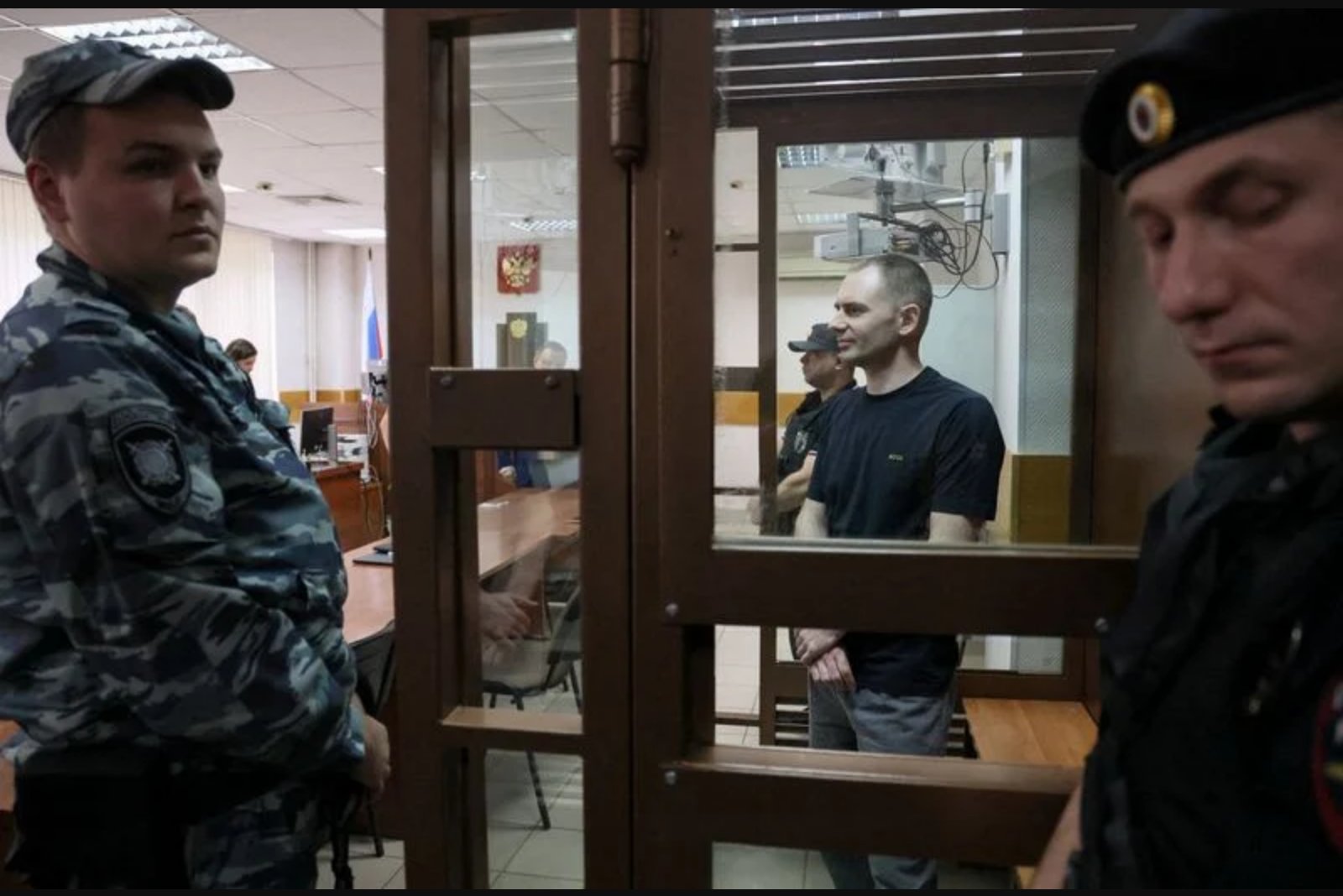
Maxim Kruglov, deputy leader of the liberal Yabloko party, was found guilty of spreading false information about the Russian armed forces and handed a seven-year prison term on June 24. Arrested in October, Kruglov was prosecuted over two Telegram posts made in 2022 that referenced U.N. casualty figures and events in Bucha. He pleaded not guilty and described the Ukraine war as a tragedy that should end. The conviction arrives just over two months before parliamentary elections for the State Duma in September.

Yabloko Deputy Leader Sentenced to Seven Years Over Telegram Posts Ahead of Duma Vote
Summarize with
ChatGPT Perplexity Claude Grok Gemini

Key Points

  • Maxim Kruglov, deputy leader of Yabloko and former Moscow city legislator, was convicted and sentenced to seven years for spreading false information about the Russian army.
  • The charges relate to two Telegram posts from 2022 - one referencing U.N. casualty figures and another concerning events in Bucha in March 2022.
  • The conviction occurs just over two months before State Duma elections in September, at a time when Yabloko retains only limited regional representation but still contests national elections.

MOSCOW, June 24 - A court in Moscow on Wednesday convicted Maxim Kruglov, the deputy leader of the liberal Yabloko party, of disseminating false information about the Russian military and sentenced him to seven years in prison. The conviction stems from two posts Kruglov published on the Telegram social network in 2022, the year Russia deployed large numbers of troops to Ukraine.

Kruglov, a former member of Moscow's city legislature, was detained in October of last year and charged over the content of the two messages. At his trial he denied the charges and told the court that he regarded the war in Ukraine as a tragedy that must be brought to an end as soon as possible.

Prosecutors focused on two specific posts. One referenced United Nations data on the number of people killed in the conflict, while the other discussed events that took place in Bucha in March 2022. Ukraine and its Western allies have accused Russian forces of killing civilians in Bucha; Russian authorities have maintained that the killings were staged to discredit Russia's military.


Context within Russia's political landscape

Yabloko, which was among Russia's principal liberal parties in the immediate post-Soviet period, now holds only a handful of seats in regional parliaments and none in the national legislature. Despite a much reduced parliamentary presence, the party continues to participate in elections, preserving a public forum in which it can voice opposition to the war.

The sentencing of Kruglov comes slightly more than two months before nationwide voting for the State Duma, the lower house of parliament, scheduled for September. The timing highlights the continued legal risks faced by prominent critics of government policy in the run-up to a major electoral event.


What was charged

  • Kruglov was accused of spreading false information about the Russian armed forces based on two Telegram posts made in 2022.
  • He was arrested in October of the previous year and maintained his innocence at trial.
  • One post cited U.N. casualty figures; the other referred to the March 2022 incidents in Bucha.

Limits of public record - Public reports record Kruglov's conviction, the content of the two posts under scrutiny, and his courtroom statements. Beyond those items the public record in this report does not provide further details on sentencing proceedings, appeals, or additional legal actions.

Risks

  • Reduced visibility and legal exposure for opposition figures ahead of the State Duma election - this may constrain political competition and public debate (impacts political sector and election-related dynamics).
  • Broader chilling effect on independent commentary on military operations and conflict-related reporting - this could affect media and communications channels reliant on open discourse (impacts media and social media platforms).
  • Uncertainty around future legal actions against critics - the case underscores potential volatility for political actors and civic organizations operating in Russia (impacts civil society and political risk assessments).

More from World

U.S. Embassy in Kuwait Reopens After March Suspension; Secretary of State Leads Flag-Raising Jun 24, 2026 Clear-Bag Rule at World Cup Venues Leaves Many Fans Unprepared Jun 24, 2026 Netanyahu’s Signature Strength Faces Its Sharpest Setback Under U.S.-Iran Deal Jun 24, 2026 Israel Says Troops Will Remain in Southern Lebanon as U.S. Pushes Regional Backing for Iran Accord Jun 24, 2026 Italy Rejects NATO Chief’s Account of U.S. Military Flights from Italian Bases Jun 24, 2026