
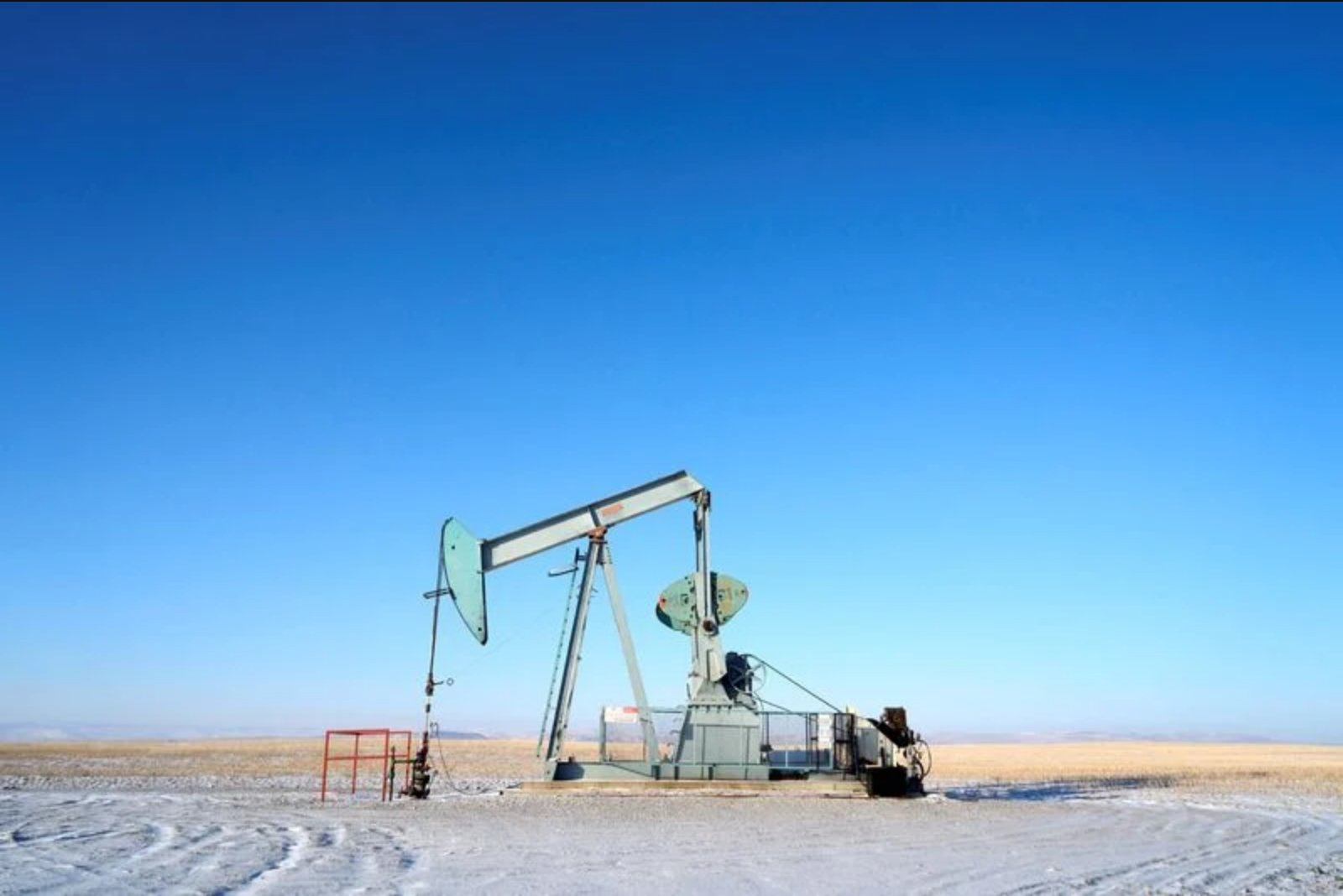
The majority of U.S. oil and gas executives surveyed by the Federal Reserve Bank of Dallas expect a modest rise in domestic oil output at prevailing price levels, but they warned that geopolitical volatility and regulatory burdens cloud the horizon for long-term operational planning.
The Dallas Fed conducted the survey from June 9 to June 17, collecting responses from 124 oil and gas firms. Kunal Patel, a senior business economist at the Dallas Fed, said the data show oil and gas activity expanded at the fastest rate in four years in the second quarter, but that this increase took place alongside input-cost pressures that exceeded historical norms.
Respondents flagged particularly sharp cost increases for oilfield service providers, attributing much of the rise to higher labor and fuel expenses. Patel summarized the production outlook as cautious: "Internally, we are expecting 2 to 3% (growth in production)."
Market conditions at the time of the survey included U.S. West Texas Intermediate crude trading at roughly $70 a barrel. Executives offered several specific observations about the current operating environment in their survey comments:
- One exploration and production executive described recent shifts in international geopolitics as creating a "cloudy windshield" for forecasting the future path of oil prices and demand, indicating that near-term visibility is poor.
- Another executive said regulatory compliance was becoming a significant line-item expense for their business.
- An exploration and production firm executive commented on the ongoing Iran conflict, saying: "Under the current conditions with the Iranian war, it is hard to predict the price of crude oil with any amount of certainty. My guess is that we will see higher prices for both crude oil and natural gas for several months even with a ceasefire agreement."
When asked to estimate a potential peak for West Texas Intermediate if the Iran conflict were to continue through the end of the year, about two-thirds of respondents indicated they expected a peak at $125 a barrel or less, while roughly 20% said they anticipated a peak between $125 and $150.
Several executives also said they do not expect oil markets to revert to prior patterns, arguing that market dynamics have been permanently altered and that a Persian Gulf risk premium is likely to persist.
Cost dynamics were raised repeatedly in open comments. One oil and gas services executive noted that although business activity rose in the second quarter, a 65% surge in diesel costs has partially offset revenue gains. Another respondent observed that equipment pricing has not kept pace with inflation, placing additional pressure on margins for service companies and operators who rely on capital equipment.
The survey results portray an industry seeing short-term activity gains but facing a layered set of constraints that complicate investment, spending, and production decisions. Executives signaled modest production growth expectations at current price levels while pointing to rising operational costs and uncertain geopolitical developments as headwinds for longer-term planning.