
A U.N.-mandated independent fact-finding mission said in a report to the U.N. Human Rights Council that Venezuela’s system of repression remains largely intact even after the detention of President Nicolas Maduro earlier this year. The probe covered the period from September of last year through July.
The mission found that Maduro’s capture in January corresponded with a decline in long-term politically motivated detentions and some related abuses. However, it concluded this did not represent a full rupture with entrenched practices of repression. The report stated: "The measures of political liberalization adopted since that date remain partial, conditional and reversible at best," and cautioned that the observed departure from the harshest forms of repression may not be a "genuine and sustainable departure."
The report described the U.S. intervention that led to Maduro being taken into custody to face trial on drug-trafficking charges as a breach of international law. It said the United States removed Maduro but left the Socialist Party government largely intact, a development that Venezuela’s opposition has criticized, arguing it was denied the chance to govern after what they say was a stolen 2024 election.
Venezuela’s mission to the U.N. in Geneva did not immediately provide a response to requests for comment.
Noted steps and continued limitations
The mission identified a number of measures introduced by interim President Delcy Rodriguez, described in the report as an ally of Maduro. Those measures included the release of some prisoners, the enactment of an amnesty law and the closure of El Helicoide, a detention facility long associated in the report with arbitrary detention and torture. The fact-finding team also observed that civil society organizations and opposition figures had acquired greater latitude to organize and criticize authorities.
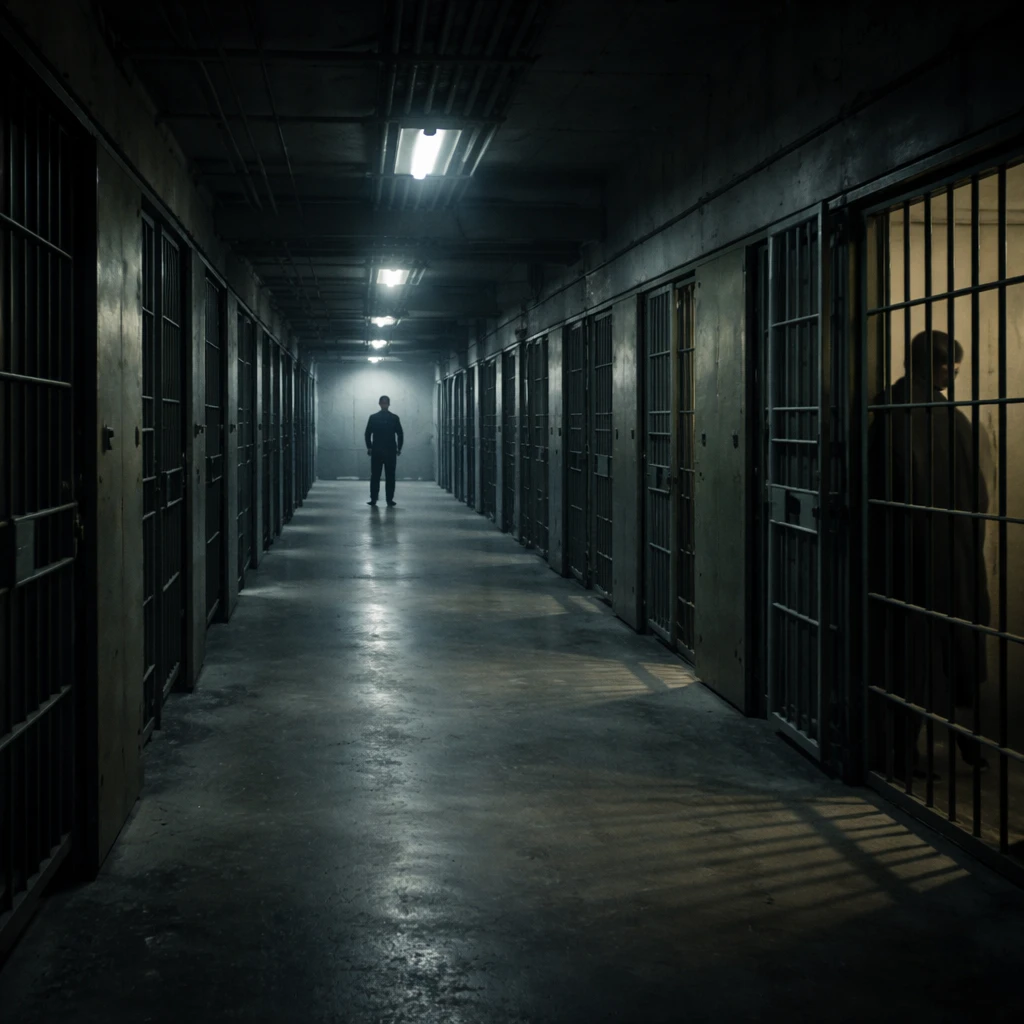
Despite these actions, the report emphasized that senior officials associated with previous abuses remain in influential positions. It found that security agencies, intelligence services and the legal framework that has been used to curb dissent had not been meaningfully reformed. The mission said hundreds of individuals who are real or perceived opponents of the government continue to be arbitrarily detained for political reasons and face harsh conditions in custody.
Documented allegations in the report include beatings, electric shocks, prolonged isolation and other forms of ill-treatment, specifically citing incidents at the El Rodeo I and Fuerte Guaicaipuro maximum-security prisons.
State links to armed civilian groups
The mission reported extensive connections between state institutions and armed civilian groups known as "colectivos." It said these groups have been instrumental in intimidating perceived opponents, operating with political, financial and logistical backing from state entities.
On accountability, the mission concluded that authorities have failed to take meaningful steps to address past abuses and criticized Venezuela’s decision to withdraw from the Rome Statute of the International Criminal Court. The report issued a set of recommendations urging the government to release all political detainees, investigate alleged crimes against humanity, reform security institutions and dismantle armed civilian groups implicated in rights violations.
The fact-finding mission’s findings highlight both limited openings and persistent obstacles in Venezuela’s human rights and governance landscape, underscoring that the removal of a head of state did not by itself dismantle long-standing structures that the mission says continue to enable abuses.