
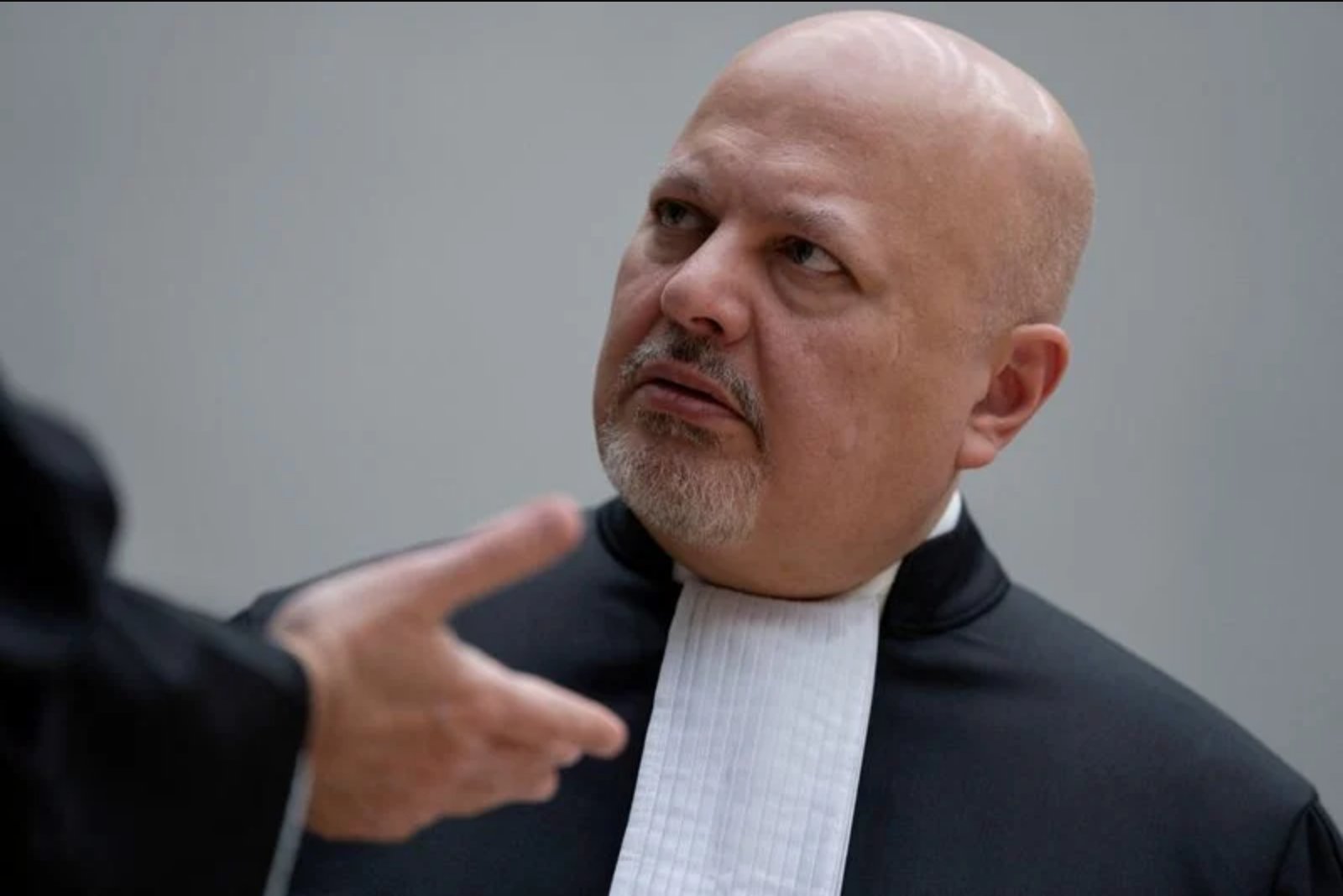
The International Criminal Court (ICC) has entered a period of heightened uncertainty after the suspension of its chief prosecutor, Karim Khan, following allegations of sexual misconduct. The decision, taken by a central grouping of member states, removes a high-profile figure who has both galvanized support and provoked intense criticism for leading investigations into alleged crimes linked to the Gaza conflict and other sensitive cases.
Khan, 56, has been at the forefront of efforts that included seeking arrest warrants for Israeli officials over Israel's conduct in Gaza and for certain leaders of Hamas. Those moves earned him both praise and hostility, and drew punitive measures from the United States, which has imposed sanctions on a number of ICC officials including Khan. His suspension has been welcomed by the complainants and by ICC members who argued the court had to demonstrate it would not tolerate workplace harassment.
At the heart of the matter lie two differently framed evaluations of evidence. An 18-month confidential United Nations investigation concluded there was a "factual basis" to allegations brought by a female aide, who said Khan had engaged in a non-consensual sexual relationship with a younger staff member. That inquiry reported witness accounts that it said "lend support to her claims".
By contrast, a separate legal review conducted by a panel of three external judges reached the opposite procedural assessment: the evidence, in their view, did not meet the threshold of proof "beyond a reasonable doubt." The panel's summary, also confidential, underscores the legal difficulty of translating a factual finding from an investigative report into a conclusive disciplinary or criminal determination.
On Monday a confidential poll among the Bureau of the Assembly - a core group of 21 ICC member states - resulted in Khan's suspension and referred the case to the Assembly of States Parties, the only body empowered to dismiss the court's prosecutor. Two sources familiar with the vote told diplomats that two-thirds of the Bureau found Khan had engaged in "serious misconduct" and a "serious breach of duty."
Sources indicate 14 countries voted against Khan: Belgium, Chile, Cyprus, Ecuador, Finland, Italy, Japan, Latvia, Poland, Slovenia, South Korea, Switzerland, Brazil and New Zealand. Four African states - Kenya, Senegal, South Africa and Sierra Leone - voted for acquittal. Uganda, Bosnia and Bolivia abstained.
One African diplomat who supports Khan, speaking on condition of anonymity, said opponents had won the initial skirmish but cautioned that this did not mean the Assembly will secure the 63 votes required to dismiss him outright. The Assembly comprises 125 member countries, and African states account for a substantial portion of Khan's backing as the body considers whether to remove its most prominent official.
The timetable for a final decision is uncertain. Diplomatic sources say an Assembly vote is unlikely before late July and could be postponed to after the summer, effectively prolonging the dispute and giving it time to become more public and polarising. That delay poses reputational risks for the ICC at a sensitive moment for the court internationally.
The ongoing internal contest unfolds against a backdrop of strained relations between the ICC and Washington. The United States, which is not a party to the court, has imposed sanctions on 11 ICC judges and prosecutors - including Khan - over the issuance of arrest warrants for Israeli leaders and for a previous probe examining alleged crimes by U.S. troops in Afghanistan. Those sanctions add a geopolitical dimension to an already fraught institutional debate.
Human rights advocates have warned the allegations have been used to attack the court's work on politically charged investigations. "The pressure on the ICC is real, and the allegations have been instrumentalised, conflated with the court's investigations into alleged crimes committed on the occupied Palestinian Territories, to undermine the court," said Danya Chaikel of the human rights watchdog FIDH.
Supporters of Khan point to the significance of the inquiries he led as evidence of the ICC's willingness to take on complex and politically sensitive cases beyond its successes in Africa. Critics counter that the court must be seen to apply high standards to its own conduct, and that allegations of harassment by senior officials cannot be ignored.
Institutionally, the ICC responded to the initial allegations by commissioning an external U.N. investigation. After that inquiry, in May 2025 Khan went on voluntary leave and his two deputies assumed his duties. Following the Bureau's decision to suspend him, Khan's legal team stated it will "take all necessary steps to challenge the decision, protect his rights, and ensure that due process is upheld." His lawyers argued the external panel's findings should have cleared him and said an "executive and political body" has taken over the process.
The evolving dispute places the ICC in the uncomfortable position of managing internal accountability while under external pressure from major powers and divided member states. With a final Assembly vote potentially months away, the court faces a period in which divisions among its membership may become more visible and risk undermining public confidence in its independence and effectiveness.
How the Assembly ultimately resolves Khan's case will shape not only the leadership of the court but also perceptions of its ability to pursue high-stakes investigations when those inquiries intersect with powerful states and politically contentious conflicts.