
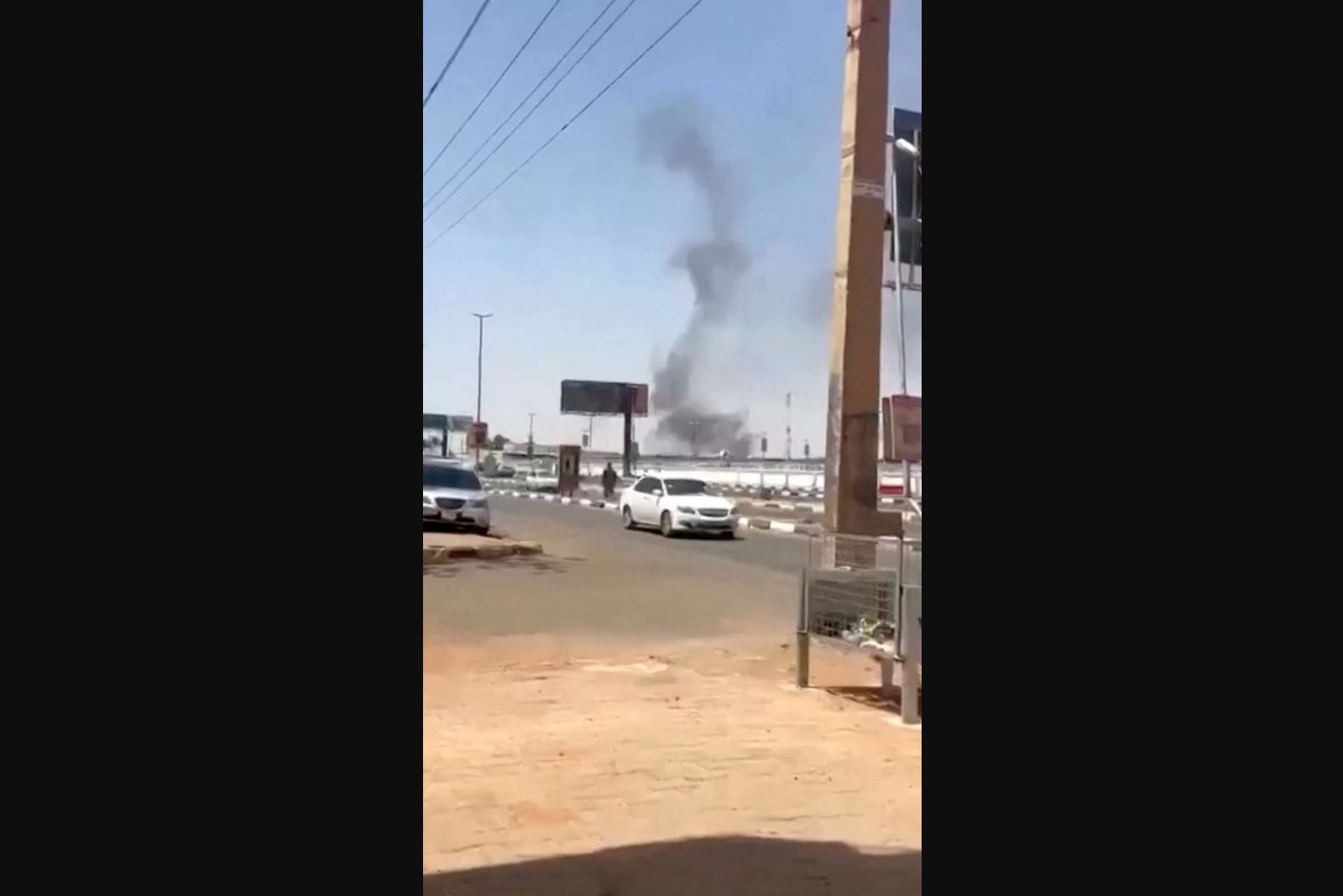
Sudan’s military has accused Ethiopia and the United Arab Emirates of involvement in a recent drone attack on Khartoum International Airport, part of a series of strikes that have broken months of relative calm in the capital three years into the country’s civil war.
The allegations were announced late on Monday by army officials. In response, Ethiopia’s Foreign Ministry on Tuesday dismissed the claims as "baseless accusations," denied any participation in the attacks, and countered that Sudan’s armed forces were supporting hostile actors and violating Ethiopia’s territorial integrity. The UAE did not immediately respond to requests for comment on the accusations, which Reuters could not independently verify.
Army statement and alleged links
Brigadier General Asim Awad Abdelwahab, a spokesman for the Sudanese army, said the military had material linking drones used in strikes across several states since March 1 to Bahir Dar airport in Ethiopia. Abdelwahab referred specifically to information obtained from a drone that was downed in mid-March, which he said established a connection to the Ethiopian facility and to the United Arab Emirates. He also said that a separate drone tied to the same airport was connected to Monday’s attack.
"What Ethiopia and the UAE have done is direct aggression against Sudan and won’t be met with silence," Abdelwahab said.
The army’s claim follows a pattern of accusations from Sudan toward the UAE, which Khartoum has repeatedly said supports the Rapid Support Forces, a paramilitary group that has fought the army since 2023. The UAE has denied such allegations in the past. Sudan has also alleged that drones have been launched from Ethiopian territory; in February Reuters reported that Ethiopia was hosting a camp to train thousands of RSF fighters and had upgraded Asosa airport for drone operations. At the time, Ethiopia did not reply to requests for comment.
Strikes resume amid partial returns to Khartoum
Residents and officials said strikes that began on Friday hit both military sites and civilian areas in Khartoum, a city where people, government ministries and international agencies had started to return after the army regained control in March 2025. Witnesses reported that Monday’s drone attacks targeted Khartoum International Airport, which was the scene of some of the earliest clashes between the army and the Rapid Support Forces in April 2023. The airport had received its first international flight in three years only last week, according to residents.
Sudan’s Information Ministry said earlier that no one had been wounded and that the attack caused no damage at the airport, which would resume operations after routine safety checks.
Drone warfare and civilian toll
Drone strikes have become a dominant tactic in the conflict, which the United Nations describes as the world’s worst humanitarian disaster. The fighting has contributed to hundreds of thousands of deaths from violence, hunger and disease and has forced millions from their homes.
Witnesses told Reuters that drones had also struck Khartoum’s twin city of Omdurman, and the cities of al-Obeid to the west and Kenana to the south over the weekend. An attack on Saturday in southern Omdurman killed five people when a civilian bus was hit, Emergency Lawyers, an activist group, said. Another strike on Sunday killed members of the family of Abu Agla Keikal, a tribal militia leader allied with the army who had defected from the RSF earlier in the conflict.
Residents who spoke on condition of anonymity expressed their belief that the Rapid Support Forces were behind the latest attacks; the RSF has not issued a public comment on these strikes.
Shifting loyalties and new tensions
The attacks follow recent defections and shifting alliances within the conflict. Late last month, al-Nour al-Guba, a senior RSF commander, defected and was welcomed by the army into Khartoum along with his forces, a move that raised concerns about tensions within the army’s coalition. The broader confrontation began after the RSF and the Sudanese army fell out over plans to integrate forces and transition to civilian rule; the RSF seized Khartoum early in the war but was pushed out last year. Since then, it has consolidated control in Darfur and opened a new front in Blue Nile state along the border with Ethiopia, where repeated drone strikes have also been reported.
What remains unclear
Certain details remain unresolved. Reuters was unable to independently verify the army’s allegations linking the strikes to Ethiopia and the UAE, and the UAE had not replied to requests for comment. Ethiopia rejected the accusations officially. The RSF has not commented on the recent attacks, and civilian casualty figures reported by activist groups have not been independently confirmed within the reporting in this article.
The renewed strikes have interrupted a fragile return to Khartoum and underscored the central role of drones in the fighting, even as official responses and independent verification of who is responsible remain limited.