
World April 17, 2026 02:49 AM

Starmer Confronted with Resignation Demands After Ex-Ambassador Failed Vetting

Opponents intensify calls for the prime minister to step down as details emerge about security clearance override and senior foreign office fallout

By Maya Rios
Starmer Confronted with Resignation Demands After Ex-Ambassador Failed Vetting

British Prime Minister Keir Starmer faced intensified pressure to resign after it emerged that his former ambassador to the United States failed security vetting but nevertheless assumed the post. The government says Starmer was not informed that foreign office officials had overruled the vetting recommendation, and a senior civil servant at the foreign ministry is set to leave his role after losing the prime minister's confidence.

Key Points

  • The government confirmed Mandelson failed security vetting before taking the ambassador post to the United States and was later dismissed after Starmer said he had lied about his relationship with Jeffrey Epstein - this affects political leadership and diplomatic appointment processes.
  • A senior foreign ministry official, Ollie Robbins, is expected to leave after losing the prime minister's confidence, underscoring internal fallout within the foreign office and potential impacts on civil service leadership.
  • Opposition figures, including Liberal Democrat Leader Ed Davey, have called for Starmer's resignation, alleging he misled parliament and the public, while senior ministers maintain the process was followed but flawed - a development relevant for political stability and market sentiment in the public sector.

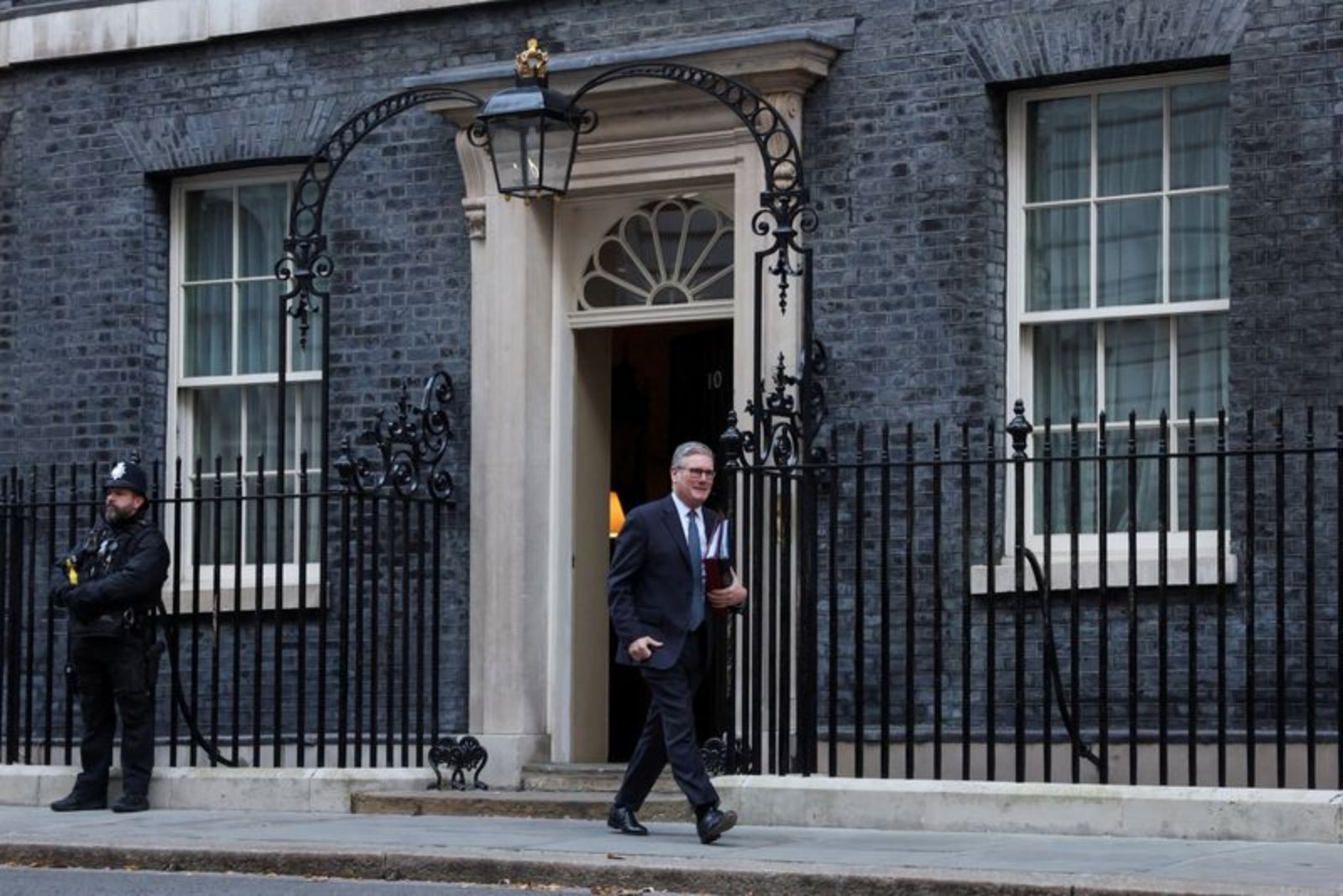
LONDON, April 17 - British Prime Minister Keir Starmer was met with renewed calls to quit on Friday after the government disclosed that his former ambassador to the United States failed security vetting yet still took up the position.

The administration confirmed on Thursday that Mandelson - who was later sacked after Starmer said he had lied about the strength of his relationship with sex offender Jeffrey Epstein - had not passed his security vetting before assuming the post. Officials said the prime minister had not been made aware that staff at the foreign office had overruled the vetting advice.

A source indicated that Ollie Robbins, the most senior official at the foreign ministry, would depart his role after losing Starmer's confidence. That development has become a focal point for critics who say ministerial responsibility should extend to the prime minister himself.

Opposition response

Liberal Democrat Leader Ed Davey, speaking on BBC Radio, said the prime minister could not avoid responsibility by dismissing the senior official. "I don’t think the prime minister can get out of his responsibility by sacking Ollie Robbins. I think the buck has to stop with Mr. Starmer," he said. He added: "I think the evidence suggests that he misled the Commons (parliament) and misled the public. That’s against all the rules, and that’s why we’ve called for him to go."

Prime minister's stance and next steps

Starmer has apologised for the appointment but has defended his conduct, accusing Mandelson of constructing a "litany of deceit" about his ties to Epstein and pledging to publish documents detailing how the appointment was made.

Senior minister Darren Jones told LBC that Starmer was "furious" at not being informed that Mandelson had failed the vetting process and that the prime minister would provide an update to parliament on Monday. Jones argued that Starmer had not misled parliament, and that while the procedures in the case had been followed, they were flawed. "I don’t think it brings the Prime Minister’s future into question," Jones said.

Investigation and comment

Mandelson is the subject of a police inquiry into allegations that he leaked government documents to the sex offender Jeffrey Epstein. He has not publicly addressed the claims that he leaked documents, and on Thursday a lawyer for Mandelson did not offer comment about the vetting process.


The sequence of events - a failed vetting decision, an apparent override by foreign office officials, and the departure of a senior civil servant after losing the prime minister's confidence - has sharpened scrutiny of ministerial accountability and the procedures governing diplomatic appointments.

Risks

  • Political risk: Calls for the prime minister's resignation and allegations of misleading parliament could increase political uncertainty, which can affect investor confidence and public-sector decision-making.
  • Institutional risk: The reported overruling of vetting recommendations and the departure of a senior foreign office official point to potential governance and procedural weaknesses within the foreign ministry, with implications for diplomatic operations.
  • Legal and reputational risk: The police investigation into alleged leaking of government documents involving Mandelson raises legal uncertainty and reputational damage for parties connected to the matter.

More from World

Pope Leo Adopts a More Assertive Global Voice During Africa Tour Apr 17, 2026 Displaced Lebanese Begin Cautious Returns as Ceasefire Mostly Holds Apr 17, 2026 Mass in Douala Expected to Draw Hundreds of Thousands as Pope Leo Visits Cameroon Apr 17, 2026 Trump Says Iran Conflict Could Be Resolved Soon as Lebanon-Israel Truce Takes Effect Apr 17, 2026 Minnesota Prosecutors Charge ICE Agent in Highway Shooting Incident Apr 16, 2026