
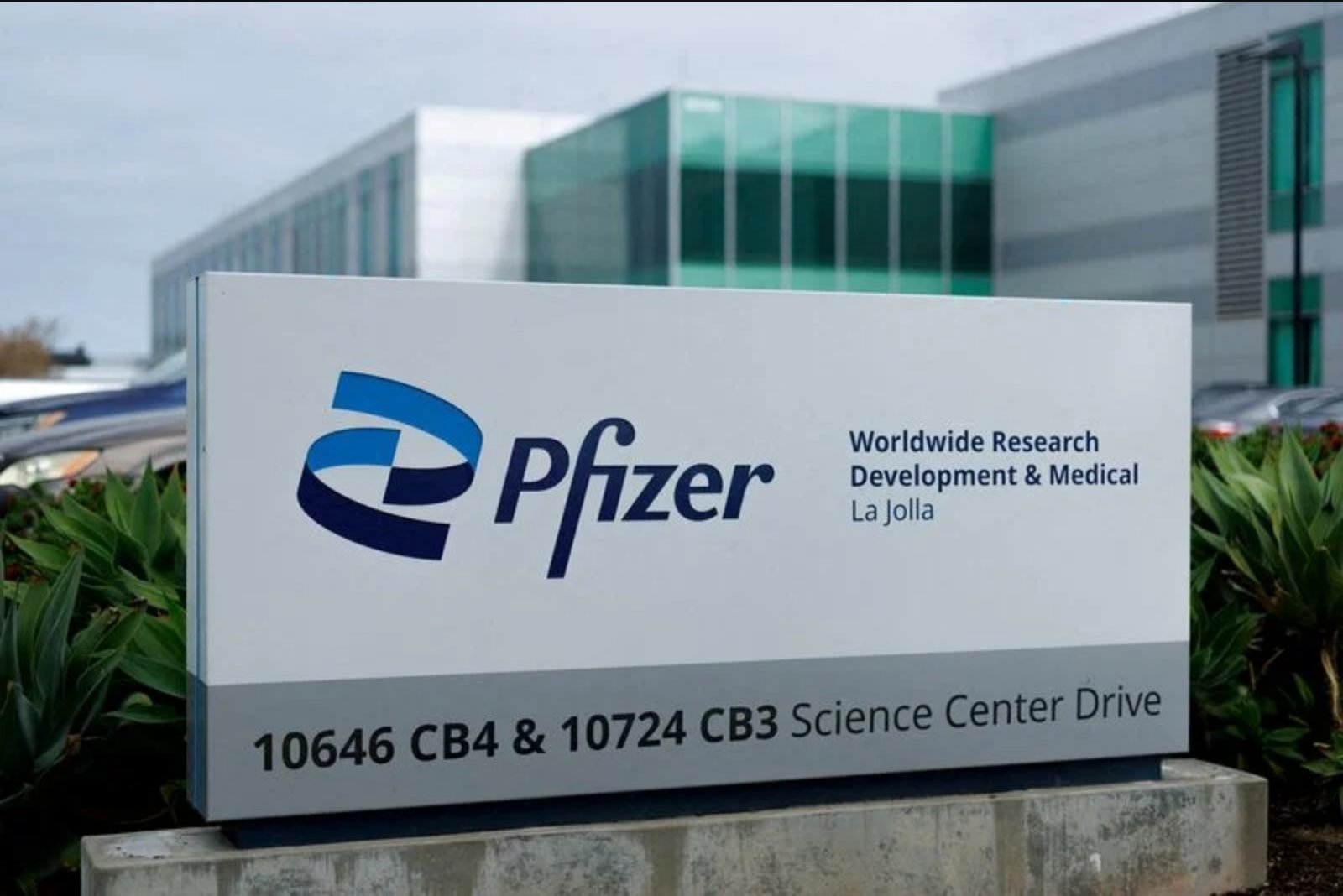
In a major development in a sprawling antitrust action, a federal judge in Connecticut has dismissed Pfizer as a defendant in litigation brought by most U.S. states that accused dozens of drugmakers and executives of coordinating prices for generic medicines.
Chief Judge Michael Shea ruled on Tuesday that the state plaintiffs had not shown that Pfizer - which is headquartered in New York - together with its former unit Greenstone, conspired with competitors from 2010 through 2014 to manipulate bids or divide customers for six specific drug products. The products named in the court decision include generic forms of Eplerenone tablets, used for high blood pressure; Latanoprost drops, used to treat glaucoma; and four versions of Clindamycin phosphate, commonly prescribed for acne.
The states' complaint alleged that executives at Greenstone exchanged more than 360 phone calls and text messages with the Swiss drugmaker Sandoz to coordinate anticompetitive behavior. But Shea concluded that, even viewing the evidence in the light most favorable to the plaintiffs, no reasonable jury could find that Pfizer itself directly joined a conspiracy to fix prices.
The judge also rejected the argument that Pfizer had knowledge of collusion by Greenstone when asked to approve price changes, and dismissed the contention that Pfizer could be held liable on an agency theory because Greenstone acted as its agent.
"Greenstone existed for the purpose of selling generic drugs for profit in addition to the strategic value that it provided to its parent company," Shea wrote. "The states’ contention that it existed for the sole purpose of acting on its parent company’s behalf falls short."
The original lawsuit is broad in scope. It was filed by 45 U.S. states, the District of Columbia and four U.S. territories, naming 36 defendants and alleging a conspiracy to fix prices for 80 generic drugs, many of them used to treat skin conditions. The litigation has been overseen in part by Connecticut Attorney General William Tong, who has led the case; New York Attorney General Letitia James filed papers opposing Pfizer's motion to be dismissed.
Officials in the attorneys general offices provided limited public comment following the dismissal: Tong's office had no immediate comment on Wednesday, and James' office declined to comment.
Pfizer previously spun off Greenstone in a 2020 transaction that created Viatris. In response to the dismissal, Pfizer said it was pleased with the court's decision and defended Greenstone's record, describing the former unit as a "reliable and trusted supplier of affordable generic medicines for decades," and said it would continue to vigorously defend against the remaining claims.
Judge Shea is handling two other antitrust cases brought by state attorneys general that are also centered on generic drugs; Pfizer remains a defendant in one of those matters.
Context and implications
The ruling narrows the set of defendants in the states' broad challenge to alleged pricing conduct in the generic drug market, but it does not resolve the larger litigation, which covers dozens of other companies and a wide range of products. The court's analysis focused on whether the evidence could reasonably support findings of direct involvement or agency liability for Pfizer in the discrete period and products at issue.