
Economy June 24, 2026 11:05 AM

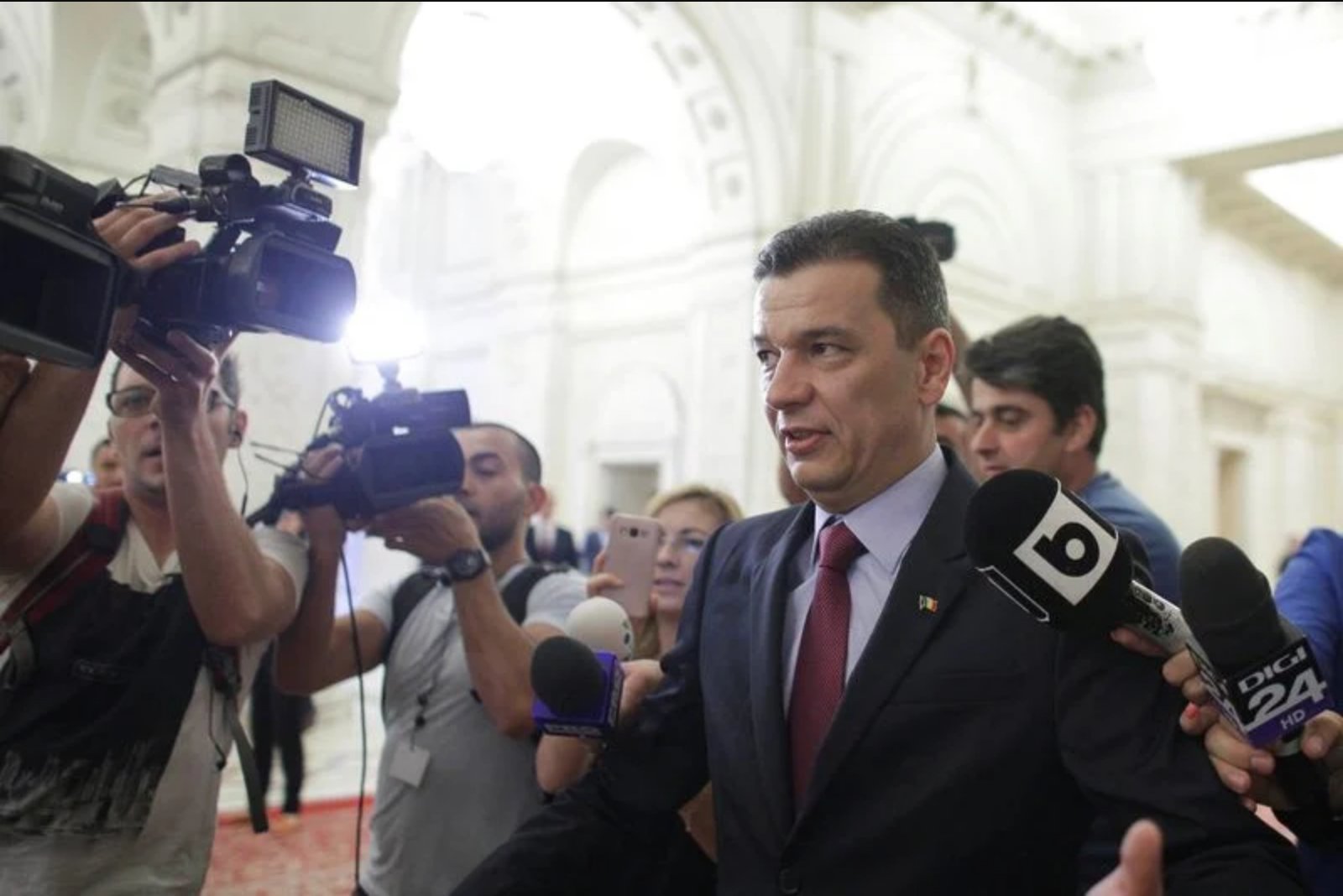
Social Democrats Put Forward Sorin Grindeanu as PM Candidate as Romania Faces Government Deadlock

Largest parliamentary party nominates its leader amid fractured coalition talks and the prospect of snap elections

By Avery Klein
Share
Twitter Reddit Facebook LinkedIn

Romania's Social Democratic Party has announced it will support its leader, Sorin Grindeanu, for the prime ministership as parties continue negotiations to form a government after the collapse of a pro-European coalition. The political rupture, triggered when the Social Democrats left the coalition and aligned with the far right to remove Liberal Prime Minister Ilie Bolojan, has left no grouping with a parliamentary majority. Attempts to form a government have so far failed, and parties seeking to avoid new elections are still divided over whether the minority government should be led by the Social Democrats or by the centre-right.

Social Democrats Put Forward Sorin Grindeanu as PM Candidate as Romania Faces Government Deadlock
Summarize with
ChatGPT Perplexity Claude Grok Gemini

Key Points

  • The Social Democratic Party, the largest in parliament, has nominated Sorin Grindeanu for prime minister.
  • Political negotiations follow the May exit of the Social Democrats from the pro-European coalition and their alignment with the far right to topple Liberal Prime Minister Ilie Bolojan.
  • No single parliamentary grouping currently holds a majority; pro-European parties are discussing a minority government to avert snap elections - sectors most directly implicated include government policy-making and investor-facing markets such as equities and sovereign bond markets.

The Social Democratic Party, the main force in Romania's legislature, has formally declared it will back its own leader, Sorin Grindeanu, as a candidate for prime minister as parties work to cobble together a government following a recent collapse of the pro-European coalition.

The current impasse stems from a political rupture early in May, when the Social Democrats withdrew from the governing coalition. They then joined forces with the far right opposition in a motion that removed the Liberal prime minister, Ilie Bolojan, from office. That sequence of events is central to the standoff now unfolding in parliament.

Since the coalition fell apart, the three remaining parties that had been part of the outgoing alliance have publicly stated they will not enter government alongside the Social Democrats again. That stance means there is presently no bloc in the legislature with a clear majority capable of forming a stable government.

President-appointed efforts to bridge the gap have thus far been unsuccessful. A liberal politician nominated by the president to assemble a cabinet did not secure sufficient backing in parliament. The country's constitutional process specifies that if another nominated candidate is unable to gain the necessary support, the only remaining option is to hold new parliamentary elections.

Pro-European parties have expressed a shared preference to avoid snap elections by agreeing on a minority government. However, they have not reached consensus on which political camp should lead such a government - whether it should be headed by the Social Democrats, who are now proposing Grindeanu, or by figures from the centre-right.

The result is a political stalemate in which negotiation remains the primary avenue to prevent early elections. The coming days will determine whether parties can reconcile differences enough to permit a minority cabinet to take office, or whether the impasse will trigger a fresh round of national polls.


Summary

Romania faces an uncertain government formation process after the Social Democrats withdrew from the governing coalition and helped unseat the Liberal prime minister. With no majority in parliament, the Social Democrats have proposed Sorin Grindeanu as their candidate for prime minister while pro-European partners debate how to avoid snap elections.

Risks

  • Failure of a newly nominated candidate to secure parliamentary approval would trigger fresh parliamentary elections - this introduces political uncertainty for domestic policymaking and markets.
  • Three parties from the former coalition refuse to govern with the Social Democrats again, limiting coalition-building options and prolonging instability - this may weigh on sectors reliant on clear government direction, including finance and regulatory-dependent industries.
  • Pro-European parties have not agreed whether a minority government should be led by the Social Democrats or the centre-right, leaving outcomes unsettled and negotiations unresolved.

More from Economy

Gilt Yields Slide to Three-Month Low as Global Bond Rally Follows Oil Price Drop Jun 24, 2026 U.S. Crude Stocks Fall to Levels Not Seen Since 1984, EIA Says Jun 24, 2026 Bulgaria Sets 2026 Deficit Target at 5.7%; Aims for EU 3% Ceiling by 2028 Jun 24, 2026 Rising Rate Bets Threaten Gold ETF Flows as Prices Drop Below $4,000 Jun 24, 2026 IMO Sets Dual Transit Options Through Strait of Hormuz for Large-Scale Evacuation Jun 24, 2026