
Lebanon and Israel convene in Washington on Tuesday for another session of face-to-face negotiations intended to halt the fighting that has ravaged parts of Lebanon since March 2. Lebanese officials have emphasized that direct talks with Israel are the sole avenue they see to end the war, even as recent diplomatic developments between Iran and the United States appear to have shifted leverage away from Beirut.
The conflict began in early March when Hezbollah, the Iran-backed armed group, fired on Israel in support of Iran and precipitated Israeli air and ground operations that have resulted in more than 4,000 deaths in Lebanon. Since mid-April, Lebanon and Israel have engaged in four rounds of talks that have so far failed to secure a durable ceasefire.
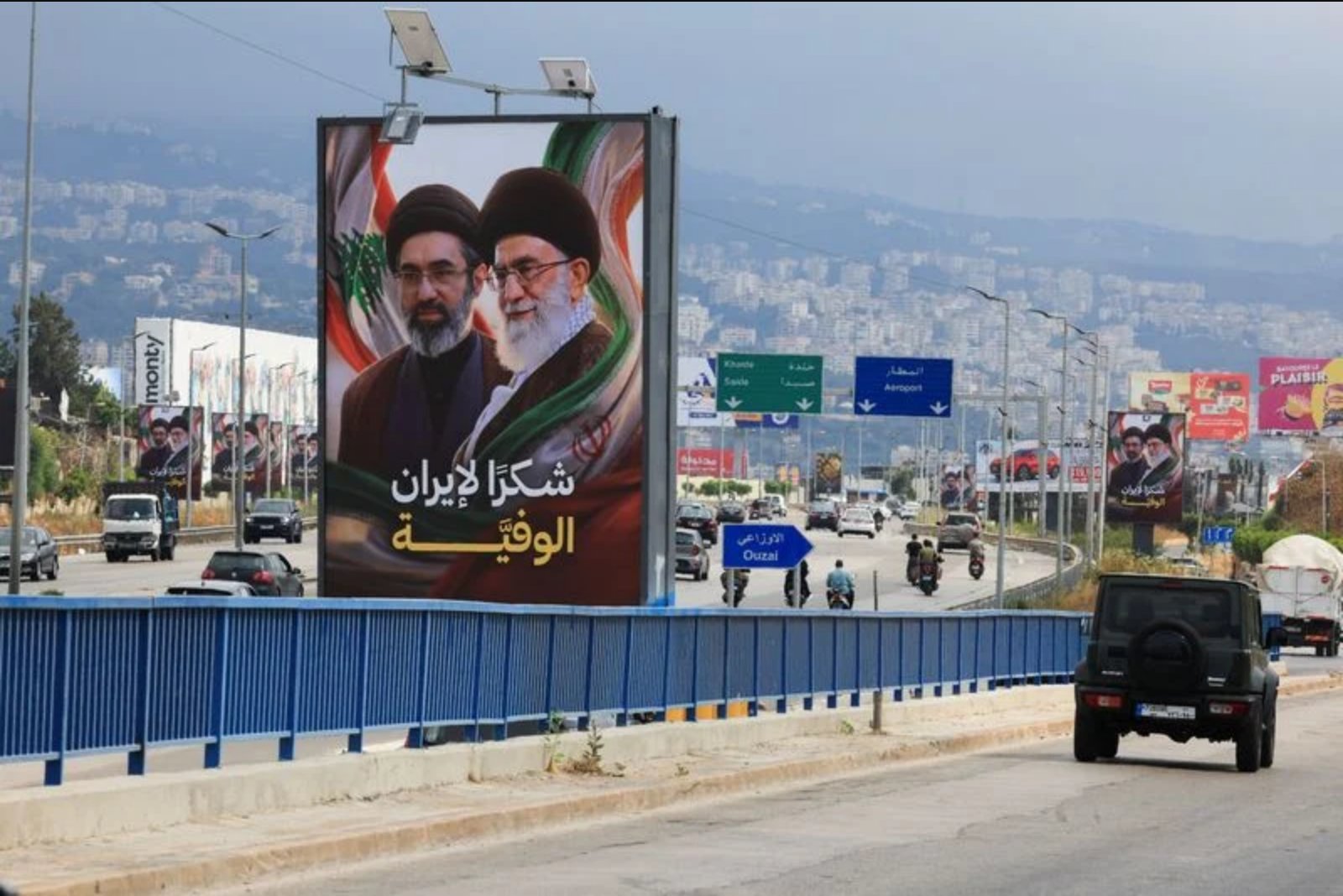
In contrast to those unsuccessful rounds, the longest pause in hostilities in recent weeks followed an Iran-U.S. memorandum of understanding that stipulated fighting would halt across all fronts, including Lebanon. The accord has strengthened Hezbollah’s position and, according to Lebanese officials, weakened the authority and diplomatic standing of the Lebanese state.
A Lebanese official and two foreign officials working on Lebanon told Reuters that the Iran-U.S. understanding had "pulled the rug out" from under the Lebanese state, leaving it in a markedly weaker position and casting doubt on the value of the Washington negotiations scheduled to last three days. The Lebanese official expressed skepticism about the prospects for substantive results this week, saying:
"There remains a fundamental problem of trust between us and the Israelis in these talks. We cannot fulfill their demands, and they reject all of ours."
Beirut has consistently framed one of its principal objectives as securing an Israeli military withdrawal from southern Lebanon. Lebanese authorities say they will press Israel to put forward a "reasonable" timetable for that withdrawal during the Washington meetings, describing such a timeline as the only means to create momentum in the negotiations and to counter what one official called a "tug-of-war with Iran." The official said: "This is the only chance we have to generate momentum in these talks, and in this tug-of-war with Iran."
Israeli leaders, however, have signaled a different set of priorities. In a briefing ahead of the negotiations, Israeli government spokesperson David Mencer described the talks as focused on "disarming Hezbollah and achieving a genuine peace agreement" with Lebanon. He added that Hezbollah was the principal obstacle to a deal, "which is why we believe that they should be disarmed and dismantled."
Since 2025, Lebanon’s government has pursued a cautious approach to the question of Hezbollah’s weapons, aiming to reduce the group’s armament without directly confronting it for fear of provoking a civil confrontation. Hezbollah has repeatedly rejected calls for full disarmament and has urged the government to abandon its direct negotiations with Israel. The group expects Iran to press for an Israeli withdrawal as part of its broader talks with the United States on a final agreement, and it has recommended that Lebanon place its bets on that track instead of the bilateral Washington process.
Observers quoted in reporting on the situation warn that Israel could harden its negotiating stance in Washington in reaction to the U.S.-Iran memorandum. Karim Safieddine, a fellow at the Washington-based Tahrir Institute for Middle East Policy, told Reuters there was a risk that Israeli officials, angered by the U.S.-Iran deal, might adopt an even more uncompromising position during the talks. He also noted that despite the temporary lull in violence, there remained "no structural change" in the core positions of Lebanon and Israel that would indicate a breakthrough was likely at the negotiating table.
The original idea for direct Lebanon-Israel negotiations came from President Joseph Aoun in March. They did not begin until mid-April, when the United States announced a ceasefire intended to enable a diplomatic process that Washington described as ultimately leading to a peace agreement. Following that announcement, Israeli air strikes on Beirut’s southern suburbs largely subsided, though intense combat continued in southern Lebanon as Israeli forces advanced into village areas.
The United States launched another ceasefire initiative in early June as part of the Lebanese-Israeli talks, but that proposal was conditional on Hezbollah ceasing fire and was rejected by the group. Hezbollah’s continued refusal to abide by such conditions and its expectation that Iran will press for an Israeli pullout complicate the Lebanese government’s negotiating strategy and its effort to maintain a distinct diplomatic course from Tehran.
As the Washington talks open, the Lebanese government faces the dual challenge of pressing for an Israeli withdrawal timetable while managing internal and external pressures from Hezbollah and Iran. With deep mistrust between the negotiating parties and divergent end goals - Lebanon seeking withdrawal timelines and Israel prioritizing the disarmament of Hezbollah - the coming days are likely to test whether the direct negotiation format can overcome the diplomatic displacement created by the Iran-U.S. understanding.