
LONDON, April 22 - Military planners representing more than 30 countries will convene in London for a two-day meeting beginning Wednesday to further develop a planned mission to reopen the Strait of Hormuz, the British government said.
The discussions are intended to build on diplomatic momentum established last week, when more than a dozen countries indicated willingness to join an international operation led by Britain and France to safeguard shipping in the strait when conditions allow. That diplomatic commitment followed a larger video conference in which roughly 50 countries from Europe, Asia and the Middle East participated.
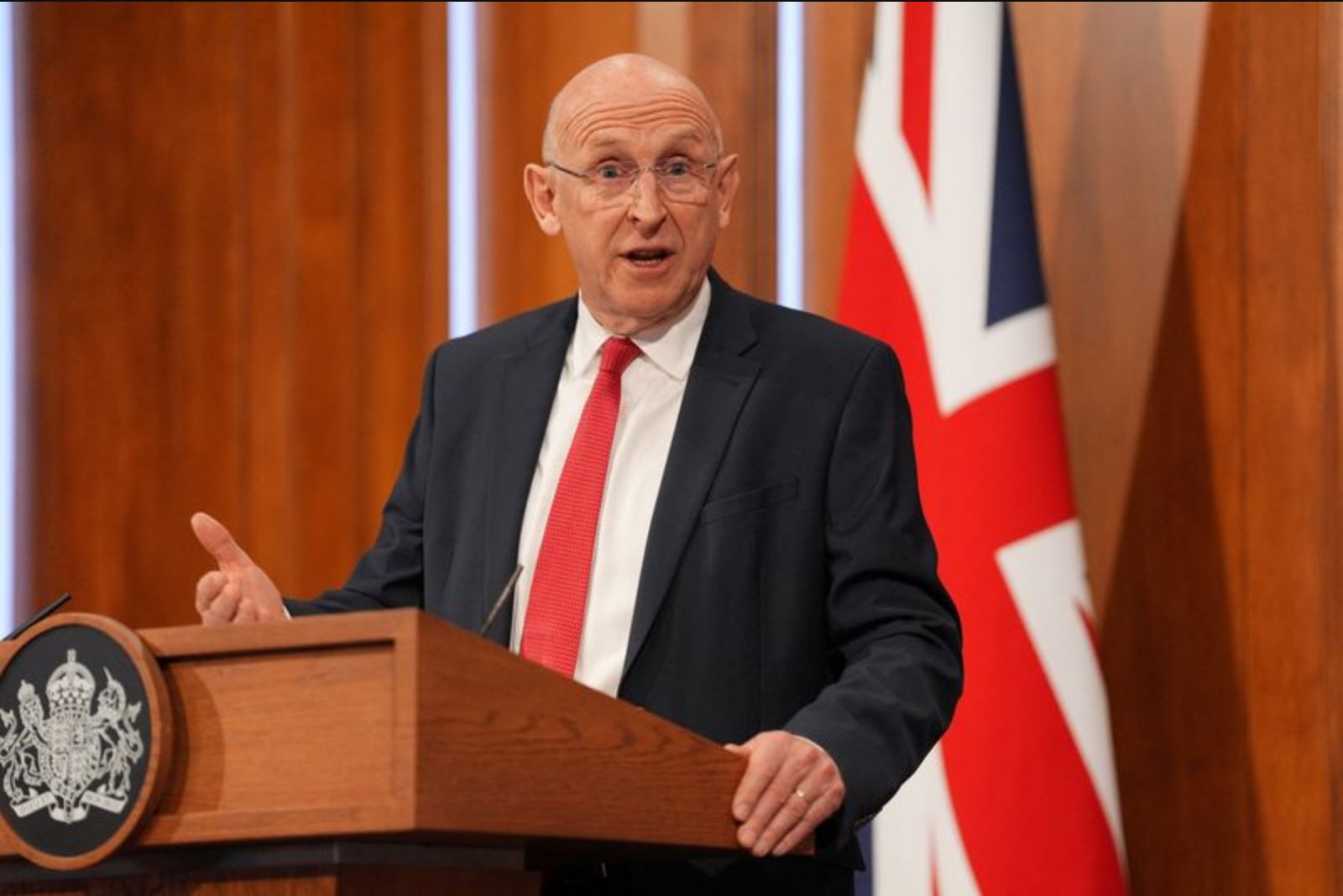
According to the British Ministry of Defence, the meetings on Wednesday and Thursday will focus on converting diplomatic consensus into concrete military planning. UK defence minister John Healey said: "The task, today and tomorrow, is to translate the diplomatic consensus into a joint plan to safeguard freedom of navigation in the Strait and support a lasting ceasefire." He added: "I am confident that, over the next two days, real progress can be made."
Officials said the London talks will advance military preparations to reopen the Strait of Hormuz once conditions permit and following a sustainable ceasefire. Participants are expected to address a range of operational issues, including military capabilities, command and control arrangements and how forces could deploy to the region.
The recent diplomatic exchanges came after a wider international video conference aimed at sending a signal to Washington, following comments by U.S. President Donald Trump that he did not need allies' help. The British government framed the current meeting as the next step toward turning that international engagement into a coordinated plan of action.
While the talks are described as planning-focused, officials emphasized that any reopening of the strait would be contingent on conditions on the ground and the prior establishment of a sustainable ceasefire. The London meeting is therefore positioned as both a planning forum and a vehicle to harmonize the military and command arrangements that would underpin any future operations in the region.
Meeting focus
- Translate diplomatic agreement into a joint military plan to safeguard shipping.
- Discuss participating countries' capabilities and command arrangements.
- Outline potential deployment options for forces to the region, contingent on a sustainable ceasefire.