
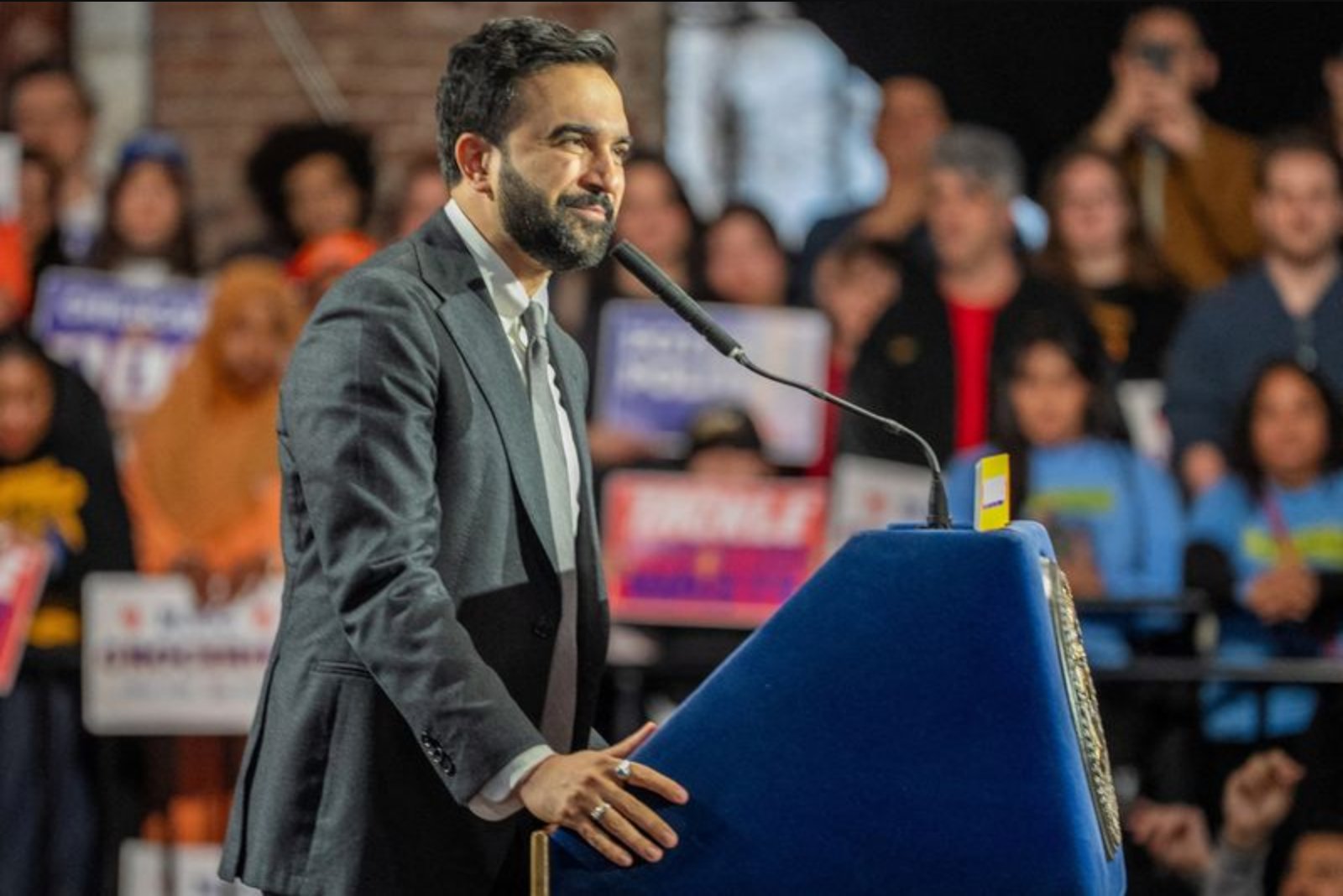
NEW YORK, April 14 - New York City Mayor Zohran Mamdani on Tuesday named East Harlem as the first location for a municipal grocery store, selecting a neighborhood where the median household income is less than half the Manhattan average. The decision is presented as consistent with Mamdani's affordability priorities, which were central to his campaign.
The East Harlem announcement represents one of a series of modest initial actions by Mamdani since he assumed office in January, each intended to advance campaign commitments. Other major campaign pledges cited by the administration - and noted as more challenging to implement - include fare-free buses, a rent freeze for regulated apartments, and universal child care.
City Hall has allocated $70 million to launch a network of five municipal grocery stores, one planned for each borough. Officials said the first site is expected to open next year. Under the model put forward, the city will retain ownership of the land and provide subsidies for basic staples, while private operators chosen by municipal officials will run the daily operations of the stores.
"We will use government to respond to rising prices and unaffordable groceries. Since the pandemic, grocery prices have gone up and they have not come back down," Mamdani, described as a democratic socialist, said when announcing the East Harlem location.
The administration acknowledged that completing the broader agenda will take years and that some items face funding challenges, as the state governor has resisted proposals to raise taxes on high-income earners. City officials noted that among the mayor's promises, the pilot program for municipal grocery stores is the most straightforward to implement because it falls squarely within City Hall's authority.
The East Harlem grocery will be established on the site of a local retail market with roots stretching back to 1936. That market became known as La Marqueta after World War Two, following a demographic shift in the neighborhood when Spanish-speaking immigrants replaced earlier Italian residents. The new municipal grocery is planned to occupy 9,000 square feet (836 square meters) and is targeted to open in 2029.
Mamdani is coordinating with Governor Kathy Hochul on expansion of universal child care, a program set to add 12,000 seats intended to serve roughly 100,000 two-year-old New Yorkers next year. No additional locations or operational details for the grocery program have been announced.
Funding remains an obstacle for several other campaign items. Eliminating fares on city buses would require replacement revenue for the Metropolitan Transportation Authority, the state-run network that operates public transit, and city leaders are still searching for such funding sources. The proposal to freeze rents on stabilized apartments will be taken up later this year at a meeting of the Rent Guidelines Board, which oversees rent adjustments for the city's roughly 1 million regulated units. Earlier this year the mayor appointed a majority of the board's members, including its chair.
The East Harlem selection signals the administration's early emphasis on tangible, locally controlled interventions to address affordability, while more expansive measures await negotiation and funding decisions at the state level.