
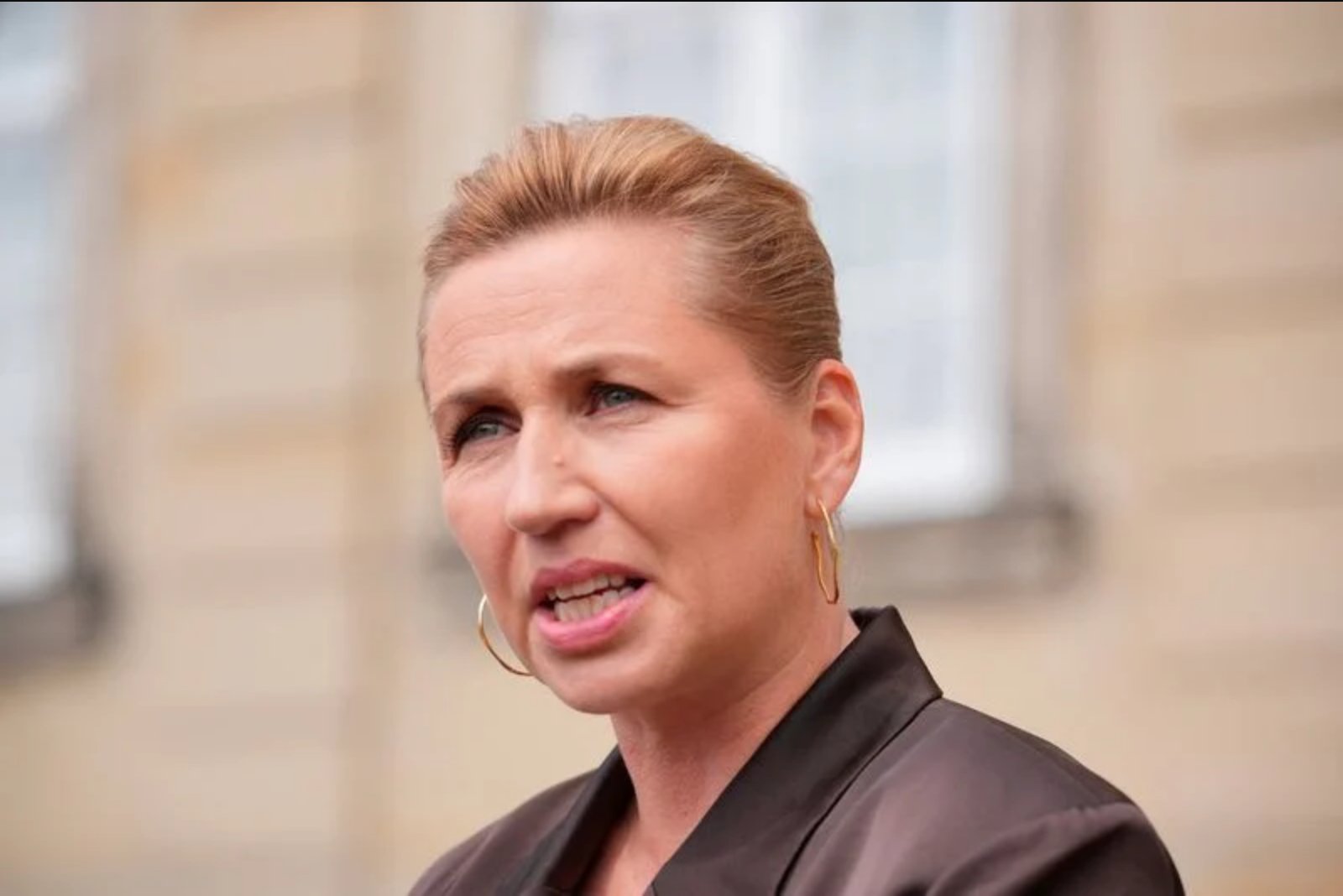
COPENHAGEN - Mette Frederiksen, leader of Denmark's Social Democrats, announced on Monday that she has secured enough parliamentary support to form a centre-left coalition government, marking her third straight term as prime minister.
Frederiksen said she had informed the monarch that a government could be established following protracted talks. "I have been to see His Majesty the King and announced that a government can be formed after long negotiations," she told reporters.
The agreement produces a minority cabinet and ends months of uncertainty that followed the March election, when Denmark's parliament welcomed representatives from 12 parties. The election reshaped the chamber and saw Frederiksen's centrist coalition lose its majority in the March 24 vote amid public discontent tied to a cost-of-living crisis.
Despite the setback at the ballot box, the Social Democratic Party remains the largest party in the Folketing with 38 of 179 seats, down from 50 in the previous term. For more than two months after the vote, the Social Democrats and the right-wing Liberals both vied to assemble a government, with extended negotiations required before Frederiksen, 48 years old, obtained the necessary parliamentary backing.
The newly formed government will confront a set of immediate challenges. A central priority will be diplomatic engagement over Greenland - an issue that has strained ties with U.S. President Donald Trump, who has threatened to annex the territory. In parallel, the cabinet intends to move quickly on expanding Denmark's military capacity as security in Europe worsens in the context of Russia's war in Ukraine.
The outcome hands Frederiksen another term at the head of a minority administration tasked with addressing domestic economic pressures and acute foreign policy questions. The minority status of the cabinet means the government will need to navigate parliamentary dynamics carefully while pursuing its agenda on defence and diplomacy.
Key takeaways
- Frederiksen has agreed to lead a centre-left minority coalition, securing a third consecutive term as prime minister.
- The Social Democrats remain the largest party with 38 of 179 seats, down from 50, following a March 24 vote affected by a cost-of-living backlash.
- Immediate priorities include diplomatic talks over Greenland and a rapid military build-up amid deteriorating European security tied to Russia's war in Ukraine.
Context and implications
With a minority cabinet in place, the government will need to maintain support across a fragmented parliament comprised of 12 parties. The administration's early actions on defence and foreign affairs could have implications for public spending and defence-related procurement, while addressing cost-of-living pressures remains a central domestic challenge.